 Bradenton Window
 Why Lakewood Ranch Homes Need Windows Built for This Climate
Lakewood Ranch has grown into one of the largest master-planned communities on Florida's Gulf Coast, and most of its homes are still well within their first window's expected lifespan. That doesn't mean the windows are aging gracefully. Between the seals, the frames, and the glass itself, a decade or two of Southwest Florida sun and storms puts more stress on a window here than the same window would see almost anywhere else in the country. When we go out to look at a window replacement job in this area, we're not just measuring openings — we're accounting for wind load, UV exposure, and moisture, because all three show up in Manatee County in ways homeowners from other states usually aren't expecting.
This page covers what actually wears out windows in the Lakewood Ranch area, what your realistic options are, and how our process works if you decide it's time to replace.
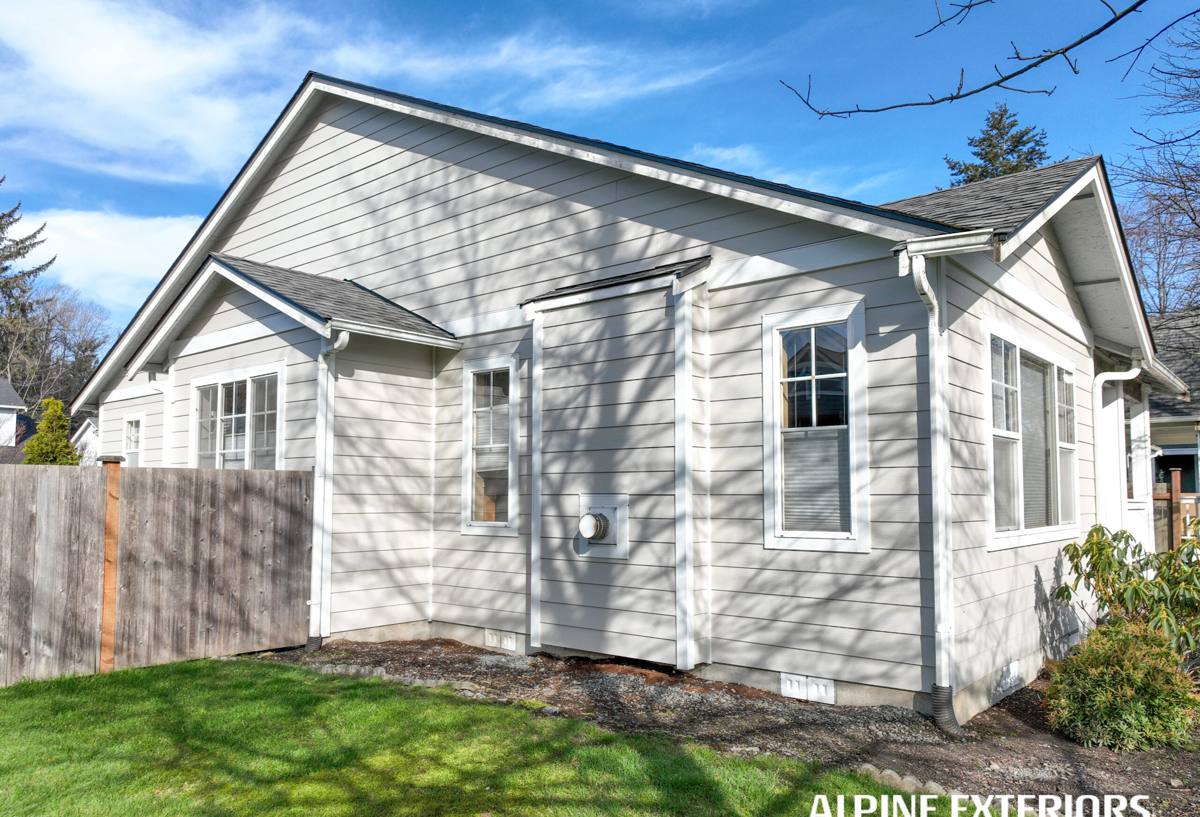
What the Florida Gulf Coast Throws at Your Windows
Hurricane-Force Winds
Manatee County sits in an active hurricane corridor, and even storms that don't make direct landfall nearby can generate sustained winds and gusts strong enough to test older windows. Wind doesn't just push against glass — it flexes frames, stresses corners, and works loose fasteners over repeated storm seasons. A window that was code-compliant when it was installed 15-20 years ago may not meet current wind-load expectations for this area, and older aluminum frames in particular can develop play at the corners that lets air and water through long before the glass itself fails.
Intense, Year-Round UV
Florida's sun angle and number of clear-sky days mean window components spend more hours under direct UV than in most of the country, every month of the year, not just summer. Vinyl frames can chalk or discolor, weatherstripping and gaskets dry out and lose their seal, and window film or older tinted glass can degrade unevenly. UV damage is gradual and easy to miss until you notice a draft, a stiff sash, or a stretch of frame that's a different shade than the rest.
Wind-Driven Rain
It's rarely a straight-down rain here — storms and even routine summer thunderstorms tend to drive rain sideways under wind pressure. That's a different test than most window seals were designed for. Wind-driven rain finds the seams a normal rainstorm never would: worn weep holes, compressed gaskets, and gaps around trim that only leak when water is being pushed into them rather than falling past them. Water stains on interior sills or drywall below a window are almost always a wind-driven-rain problem, not a manufacturing defect.
Salt Air and Corrosion
Lakewood Ranch is inland compared to the barrier islands, but Gulf Coast salt air still travels well beyond the immediate coastline, especially on onshore wind days. Salt-laden air accelerates corrosion on window hardware — hinges, cranks, locks, and screws — and can pit unprotected aluminum over time. It's a slower process than what beachfront homes deal with, but it's a real factor in how long hardware and fasteners last, and it's part of why we spec corrosion-resistant hardware rather than whatever is cheapest.
Impact Windows vs. Standard Windows with Shutters
Homeowners in this area generally choose between two approaches to storm protection: laminated impact-rated windows, or standard windows paired with separate shutters or panels. Both can satisfy code requirements when installed correctly. The right call usually comes down to budget, how the home is used, and how much you want to deal with before a storm.
| Factor | Impact Windows | Standard Windows + Shutters |
|---|---|---|
| Storm prep | None — always protected | Must install shutters/panels before every storm |
| Upfront cost | Higher | Lower window cost, plus shutter cost |
| Daily UV/noise protection | Better year-round (laminated glass blocks more UV and sound) | No benefit until shutters are deployed |
| Curb appeal | Unobstructed glass full-time | Shutters visible or stored when deployed |
| Insurance considerations | May help with wind-mitigation credits | Shutters can also qualify, if permanently attached |
| Maintenance | Frame and glass only | Shutter tracks, hardware, and storage add upkeep |
Neither option is objectively "better" for every home — a house that's occupied seasonally or often left unattended tends to lean toward impact glass simply because there's no prep step to remember before a storm.
Signs Your Lakewood Ranch Home Needs New Windows
- Fogging or a permanent haze between panes on double-pane windows (a failed seal, not something you can clean off)
- Windows that are difficult to open, close, or lock, especially aluminum sliders that have racked slightly out of square
- Visible daylight or a draft around the frame when the window is closed
- Water staining on the sill, drywall, or trim below the window after wind-driven rain
- Frames that are chalky, discolored, or soft/spongy to the touch (a sign of underlying rot in wood-framed units)
- A noticeable rise in cooling costs without other explanation
- Noise transmission that seems worse than it used to be, which often points to a seal that's given up on the glass, not just the ears getting older
- Hardware that's stiff, corroded, or has stopped locking flush
Window Types and Materials That Hold Up Here
Frame Materials
Vinyl frames are common in this market because they resist corrosion entirely and handle humidity well, though quality varies a lot between manufacturers — thicker-walled vinyl with reinforced corners holds up far better under wind load than budget-grade stock. Aluminum frames are strong and slim, which some homeowners prefer for sightlines, but they need a quality finish and proper hardware to resist the corrosion salt air can accelerate. Fiberglass is the most dimensionally stable option in heat and is worth considering for larger openings, though it comes at a higher price point.
Glass Packages
For this climate, we generally steer homeowners toward Low-E coated glass paired with laminated interlayers where impact resistance is part of the goal. Low-E coatings reduce how much solar heat and UV pass through the glass without meaningfully darkening the view, which matters given how many hours a Florida window spends under direct sun. Laminated glass — the same principle as a windshield — holds together under impact instead of shattering, which is the basis for impact-rated window ratings.
HOA and Architectural Review Considerations in Lakewood Ranch
Many neighborhoods within Lakewood Ranch operate under homeowners' associations or community development districts with architectural review requirements, and exterior changes — including window replacement — can require submitting frame color, style, or grid-pattern details for approval before work begins. Requirements vary significantly from one village or neighborhood to the next, so we recommend checking your specific HOA's guidelines early. We're glad to help put together the documentation needed for a submission; it's a step worth building into your timeline rather than discovering after materials are already ordered.
Permitting and Florida Building Code in Manatee County
Window replacement in Manatee County requires a permit, and the products installed need to meet current Florida Building Code wind-load and pressure requirements for this area. That means the window itself needs a valid product approval, and the installation — anchoring, flashing, sealant — has to be done in a way that a county inspector will sign off on. Skipping or shortcutting this step doesn't just risk a failed inspection; it can complicate insurance claims and resale down the road if a future buyer's inspector flags unpermitted work. We handle the permit process as part of the job, not as an add-on.
Our Process — What to Expect
1. On-Site Assessment
We come look at the actual openings, note the condition of the surrounding structure (framing, sill, stucco or siding interface), and talk through what you're trying to solve — energy costs, storm protection, noise, appearance, or all of the above.
2. Product and Pricing Options
We walk through frame material, glass package, and impact-vs-shutter tradeoffs in plain terms, with pricing that reflects your actual openings rather than a generic estimate.
3. Permitting
Once you approve a scope, we pull the required Manatee County permit and handle inspection scheduling.
4. Installation
Old windows come out, openings get properly flashed and sealed, new units go in plumb and square, and we clean up the site before we leave.
5. Final Inspection
We coordinate the final county inspection so you have documentation that the work was done to code — useful for warranty purposes and for insurance or resale later.
Why a Local Crew Matters
A crew that works this specific market day in and day out knows the difference between what a spec sheet says and what actually holds up on a house two miles from the water versus one further inland, knows which Manatee County inspectors want to see what on a permit application, and isn't guessing about HOA expectations in a Lakewood Ranch neighborhood versus a subdivision elsewhere in the county. We also handle siding, roofing, and decks, so if a window inspection turns up a rot or flashing issue that's really a siding problem, we can address it directly instead of pointing you to another contractor and starting the process over.
If your windows are original to the house, showing wear, or you're just trying to get ahead of the next storm season, we're happy to take a look. Reach out for a free, no-pressure estimate — we'll assess your specific windows and give you straight answers on what does and doesn't need to be done.