 Bradenton Window
 Why Window Condition Matters More in Bradenton
Windows in most parts of the country just have to keep out weather. Windows in Bradenton have a tougher job. They need to survive tropical storm systems and the occasional direct hurricane threat, shrug off salt-laden air blowing in off Sarasota Bay and the Gulf, and hold up under some of the most intense, sustained UV exposure in the continental United States. That combination wears out windows faster here than it does in most of the country, and it wears them out in specific, recognizable ways.
A lot of Manatee County homeowners keep old windows in service well past the point where they're doing their job, mostly because the failure is gradual. Nothing breaks all at once. A seal degrades a little more each summer, a frame flexes a little more with each storm, and one day you notice the window doesn't feel like it used to. This page walks through the actual warning signs, what causes them in our climate specifically, and how to think about the decision to replace.
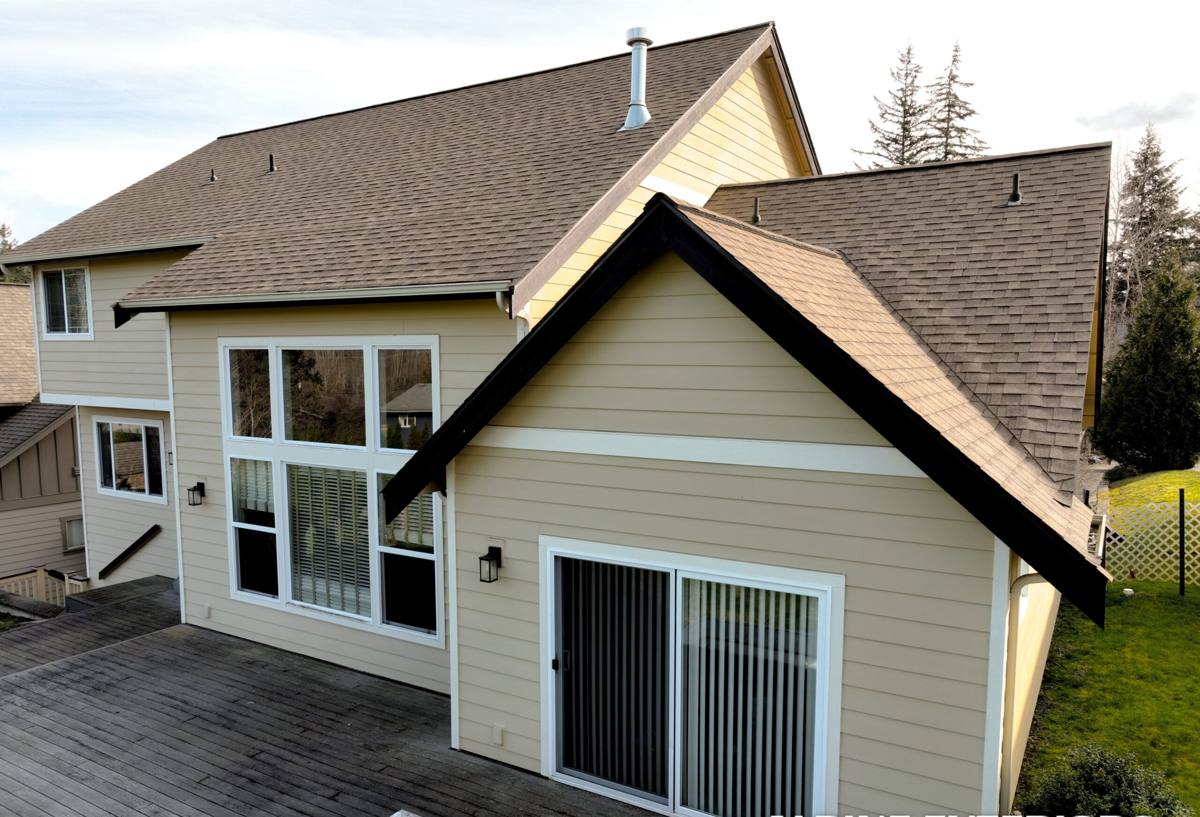
The Visible Signs
Fogging or Moisture Between the Glass
If you have dual-pane windows and you see haze, fog, or water droplets trapped between the panes, the insulated glass unit's seal has failed. Once that seal breaks, the gas fill (usually argon) that gives the window its insulating value has escaped, and outside humidity is getting into the airspace. In Bradenton's humidity, this tends to happen faster than in drier climates — once a seal starts to go, moisture cycling in and out with the daily heat swings accelerates the fogging. There's no repair for this short of replacing the glass unit or the whole window; it's a one-way failure.
Visible Damage to Frames or Sills
Wind-driven rain during our storm season pushes water into places it was never meant to reach. Look for soft or discolored wood around window openings, bubbling or peeling paint on sills, or corrosion on metal hardware and screws. Aluminum-framed windows, common in older Bradenton homes, can develop white, chalky oxidation on the frame surface from years of salt air and UV — that's a sign the finish has broken down, and it's often accompanied by hardware that's stiffening up or rusting.
Cracked, Yellowed, or Brittle Vinyl and Weatherstripping
UV breaks down vinyl and rubber over time, and Bradenton gets more direct sun exposure across more months than most U.S. markets. Weatherstripping that's cracked, shrunken, or crumbling when you touch it has lost its ability to seal. Vinyl frames that have yellowed, chalked, or gone brittle enough to crack under light pressure are past their expected service life, even if the glass itself still looks fine.
The Signs You Feel Before You See
Drafts and Temperature Differences
Hold your hand near a closed window on a windy day. If you feel air movement, or if the wall around the window feels noticeably hotter or cooler than the rest of the room, the seal or the frame fit has failed. This shows up on your energy bill before it shows up anywhere else — your AC runs longer to fight infiltration it wasn't designed to handle.
Windows That Are Hard to Open, Close, or Lock
Frames flex slightly with heat, humidity, and storm pressure cycles. Over years, that flexing can rack a frame out of square, which is why an older window might stick, need a shove to close, or no longer let the lock engage cleanly. A window that won't lock securely is also a real security and storm-prep issue — you want every window to seal and latch fully before a system is bearing down on the coast.
Outside Noise Getting Louder
If road noise, lawn equipment, or storm wind suddenly sounds louder through a window than it used to, the seal has likely opened up somewhere. Sound transmission is a decent proxy for air infiltration — if sound is getting through more easily, so is air, humidity, and eventually water.
What's Actually Failing: A Closer Look at Causes
| Symptom | Underlying Cause | What It Means for the Window |
|---|---|---|
| Fogging between panes | Insulated glass seal failure | Not repairable; glass unit or full window needs replacement |
| Chalky, pitted frame surface | UV breakdown + salt air corrosion | Finish and structural integrity both compromised over time |
| Drafts / higher AC bills | Weatherstripping failure or frame warping | Energy loss now; water intrusion risk during storms |
| Sticking sash or failed lock | Frame racking from thermal/humidity cycling | Storm readiness and home security both reduced |
| Soft sill or interior staining | Wind-driven rain intrusion past the seal | Active water damage, often worse than it looks from inside |
Age Is a Factor, But Not the Only One
Most residential windows are built for a service life somewhere in the 15-25 year range, and that's under moderate conditions. In a Gulf Coast climate like Bradenton's, with sustained UV, high humidity, and salt exposure, the realistic end of that range comes sooner for lower-grade materials and standard finishes. A window's age is a useful starting point, but a well-built, well-installed window that's been maintained can outlast a cheaper window that's a decade younger. If you know your home's windows are original to a build from the 1990s or early 2000s, they're well within the window (no pun intended) where these failure signs become common, regardless of how they look from the street.
Hurricane Season Adds Urgency
None of these signs are just cosmetic when a named storm is approaching. A window with a failed seal, a soft frame, or a lock that doesn't fully engage is a weak point in your home's storm defense, whether or not it's rated for impact. Wind-driven rain will find any gap, and a compromised window is far more likely to fail under wind-load pressure than one that's sound. If you're weighing repair versus replacement heading into storm season, err on the side of addressing it before, not after, a system is in the forecast. Waiting until a storm is days out means longer lead times, tighter installation schedules, and less time to make an unhurried decision.
Repair, Replace, or Wait? A Practical Framework
Not every issue means a full window replacement. Here's how we generally think about it:
- Repair is often reasonable for a single failed weatherstrip, a worn balance mechanism, a loose hinge, or hardware that needs re-tightening — especially on a window that's otherwise sound.
- Replacement of the glass unit alone can make sense if the frame is in good shape but the seal has failed and fogged — though this is worth comparing cost-wise against full window replacement, since labor is a big part of either job.
- Full window replacement is usually the right call when you're seeing multiple symptoms on the same window (draft plus sticking plus frame damage), when the frame material itself is degraded, or when several windows on the same elevation are showing wear at the same time — which is common, since they were installed together and face the same sun and weather exposure.
- Whole-home replacement makes sense when most of the windows are original and aging together, or when you want to move up to impact-rated glass for storm protection and insurance benefits in one project rather than piecemeal.
A Quick Self-Check Before You Call Anyone
Walk your home's exterior and interior with this list. You don't need to be a contractor to spot most of these:
- Fog, haze, or visible moisture trapped between panes of any window
- Frame discoloration, chalking, pitting, or visible corrosion on hardware
- Soft, spongy, or stained sills and trim around window openings
- Noticeable draft with your hand near a closed window on a breezy day
- Windows that stick, won't stay open, or won't lock all the way
- A jump in cooling costs without a clear other explanation
- Cracked, shrunken, or crumbling weatherstripping
- Increased outside noise coming through closed windows
If you checked more than one or two of these, especially across multiple windows, it's worth having someone take a real look rather than guessing.
What a Proper Inspection Actually Looks At
A useful window assessment goes past a glance from across the room. It should include checking the seal integrity of each insulated glass unit, testing operation and lock engagement on every window, probing sills and surrounding framing for soft spots or moisture damage, and looking at the condition of exterior caulking and flashing — because a window can be structurally fine and still be letting water in around its perimeter. For a coastal Manatee County home, we also look specifically for salt-related corrosion on hardware and fasteners, since that's a failure mode that shows up here more than it does inland.
Getting an Honest Read on Your Windows
If you're seeing any combination of the signs above — fogging, drafts, sticking sashes, frame damage, or rising energy bills — it's worth having a straightforward, no-pressure look at what's actually going on before you decide anything. We'll tell you plainly if a window needs replacing, if a repair will hold, or if you've got time before it becomes urgent. Reach out for a free estimate and we'll walk your home with you.