 Bradenton Window
 Why Siding on Anna Maria Island Has to Work Harder
Anna Maria Island sits right at the edge of the Gulf, and that location is exactly what makes siding decisions here different from siding decisions ten miles inland. Homes on the island take on a combination of stresses that most siding products simply weren't designed to handle over the long term: constant salt-laden air, intense year-round UV exposure, wind-driven rain that gets pushed sideways into wall assemblies, and the real possibility of hurricane-force wind loads during storm season. Any one of these on its own is manageable. Together, over years of Florida sun and salt, they expose the weak points in lower-grade siding products fast.
We install fiber cement siding on Anna Maria Island homes because it's built to resist all four of those stresses at once, and because when it's installed correctly, it holds up to Gulf Coast conditions in a way that vinyl, engineered wood, and primed wood products struggle to match.
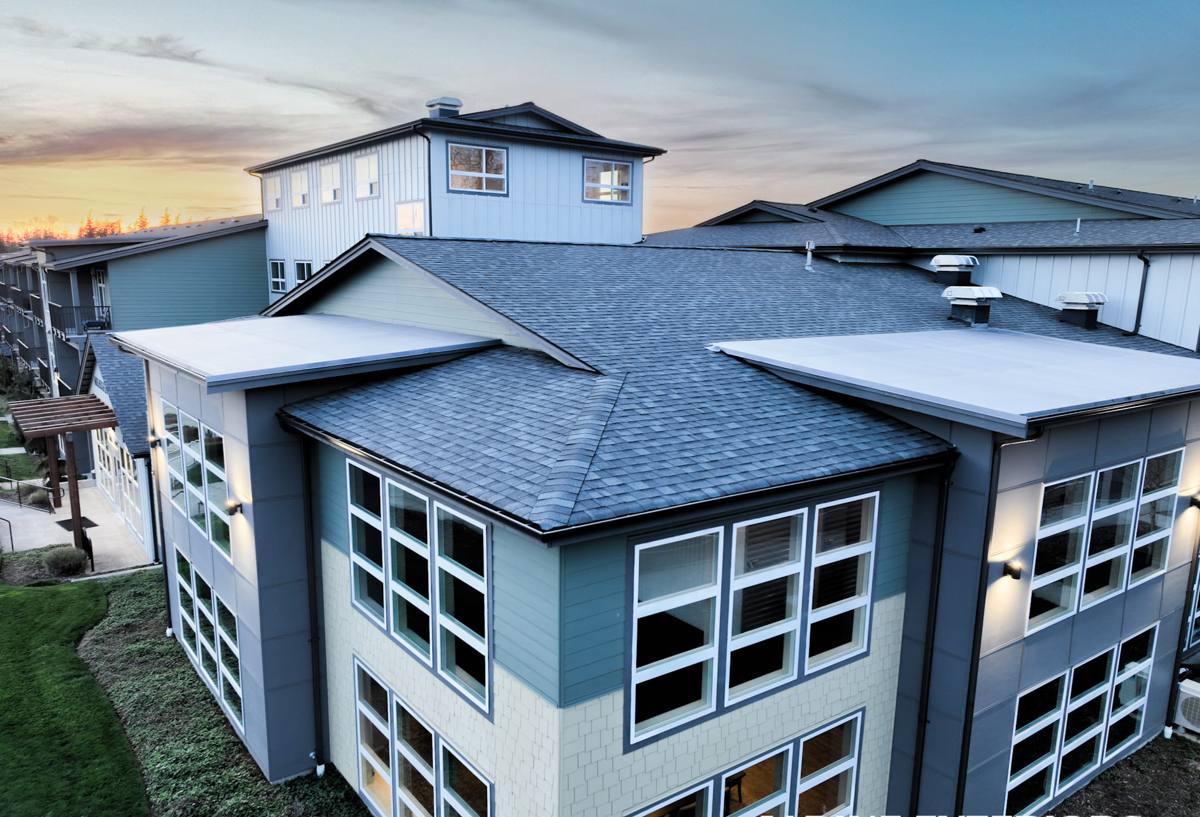
What Salt Air, UV, and Wind Actually Do to Siding
Salt Air and Corrosion
Airborne salt doesn't just sit on the surface of a home — it works its way into seams, fastener heads, and any place where a siding product's finish has started to break down. On a barrier island like Anna Maria, that exposure is more constant than it is even a few miles inland, because there's no buffer between the home and the Gulf. Materials and fasteners that aren't rated for coastal exposure corrode and stain faster here than almost anywhere else in Manatee County.
UV Breakdown
Florida sun is intense nearly every day of the year, and that constant UV load fades color, chalks painted surfaces, and dries out anything with an organic component — which is a real problem for wood-based and wood-adjacent siding products. A finish that's rated for "average" US sun exposure often underperforms on the Gulf Coast simply because the baseline exposure here is higher than what that rating assumes.
Wind-Driven Rain and Moisture Intrusion
During a Gulf storm, rain doesn't just fall — it's driven horizontally into the wall assembly under pressure. Siding that isn't installed with the right clearances, flashing, and drainage path will let that water behind the cladding, where it causes rot, mold, and sheathing damage that isn't visible until it's already extensive.
What James Hardie Fiber Cement Offers for This Climate
We install James Hardie fiber cement siding exclusively, and on Anna Maria Island specifically, the reasons come down to how the product is engineered and finished.
A Non-Combustible, Moisture-Stable Core
Fiber cement is made from cement, sand, and cellulose fibers, engineered into a dense board that doesn't rot, doesn't attract termites, and doesn't swell or delaminate the way wood-based products can when they take on repeated moisture exposure. James Hardie's HardieZone system includes HZ5 products engineered specifically for hot, humid, storm-exposed climates like Florida's — which is the category Anna Maria Island falls into.
ColorPlus Factory Finish
Rather than relying on field-applied paint, James Hardie's ColorPlus finish is baked on in a controlled factory process, which gives it far more consistent UV and fade resistance than a job-site paint job. For a home that sits in direct Gulf sun essentially every day of the year, that difference shows up over time in how well the color holds and how often the home needs to be repainted.
A Warranty Built Around the System
James Hardie backs its siding with a strong, transferable limited warranty when the product is installed to their specifications — which is a meaningful detail on a barrier island, where correct installation matters more than almost anywhere else in the county.
What a Correct Installation Actually Involves
Fiber cement siding is only as good as the installation behind it. The product itself is engineered to perform, but James Hardie's own warranty coverage depends on following their installation specifications — fastening pattern, clearances, and flashing details all matter, and skipping any of them is how a good product ends up with a bad outcome.
Fastening and Clearances
James Hardie specifies fastener type, spacing, and embedment depth, and those specs get more important, not less, in a high-wind zone like Anna Maria Island. We also hold the manufacturer-required clearances between the siding and the ground, roofline, and any horizontal surfaces, because closing those gaps is one of the most common ways moisture gets trapped against the bottom of a wall assembly.
Flashing and Drainage Path
Every penetration — windows, doors, hose bibs, light fixtures, vents — needs to be flashed so that any water that does get behind the siding has a clear path back out, rather than sitting against the sheathing. We install a weather-resistive barrier behind the siding and detail it to shed water downward and outward at every seam, which is the difference between siding that sheds a tropical storm and siding that quietly lets water in behind the walls.
Joints and Caulking
Butt joints, corners, and trim transitions are finished with the sealants and techniques James Hardie specifies for coastal exposure — not generic caulk that will dry out and crack under a year of Gulf sun.
Why We Only Install James Hardie
We don't install vinyl siding, LP SmartSide, Cemplank, Allura, or primed wood products, and on Anna Maria Island specifically that's not a brand preference — it's a decision based on how those products hold up under sustained salt air, UV, and storm exposure. Vinyl can warp and become brittle under intense heat and impact over time. Engineered wood products and primed wood siding depend heavily on an intact factory or field finish to keep moisture out, and once that finish is compromised in a humid coastal environment, the underlying material is vulnerable in a way fiber cement simply isn't. We'd rather install one product well and stand behind it than offer a menu of options with different long-term trade-offs we can't fully vouch for.
Our Process for Anna Maria Island Siding Projects
- On-site assessment — we walk the home, check the current siding and sheathing condition, and look at wind exposure, sun exposure, and any moisture history specific to the property.
- Product and color selection — we go over the appropriate HardieZone product line and ColorPlus color options for the home.
- Tear-off and sheathing check — old siding comes off and we inspect the sheathing underneath for any rot or damage that needs to be addressed before new siding goes on.
- Weather barrier and flashing — a new weather-resistive barrier goes on, and every window, door, and penetration is flashed to manufacturer spec.
- Installation to spec — siding is fastened, spaced, and joined according to James Hardie's published requirements for our wind zone.
- Final walkthrough — we review the finished job with the homeowner and go over warranty registration.
Cost Factors for Fiber Cement Siding on Anna Maria Island
Every home is different, but the factors below are what typically move the price of a fiber cement siding project up or down, whether it's a full re-side or a targeted section.
| Factor | Why It Affects Cost |
|---|---|
| Total square footage / linear footage | More surface area means more material and labor hours |
| Condition of existing sheathing | Rotted or storm-damaged sheathing needs repair before new siding goes on |
| Home profile and trim complexity | Multiple gables, dormers, and trim details take more cutting and fitting time |
| Siding profile and color | Lap width, texture, and ColorPlus color selection affect material cost |
| Access and site logistics | Barrier island access, staging space, and elevated or waterfront lots can affect labor time |
| Tear-off and disposal | Removing and hauling away old siding adds labor and disposal cost |
Signs an Anna Maria Island Home May Need New Siding
- Visible cracking, warping, or soft spots in the current siding
- Paint that's chalking, peeling, or fading unevenly, especially on Gulf-facing walls
- Gaps, buckling, or loose panels around windows and corners
- Musty odors, discoloration, or soft drywall on interior walls near exterior siding
- Visible rust staining or corrosion around fasteners and trim
- Rising energy bills that may point to a compromised building envelope
Why a Crew That Already Works Anna Maria Island Matters
Anna Maria Island isn't a typical mainland job site. Getting materials and crews on and off a barrier island takes planning, staging space is often tighter than on a mainland lot, and permitting and wind-zone requirements through Manatee County reflect the island's coastal exposure specifically. A crew that already has experience working island properties knows how to plan logistics around that, knows what the local permitting process expects, and knows how to detail a job for the specific combination of salt air, sun, and wind this stretch of the Gulf Coast sees. That experience shows up in fewer surprises during the job and a better outcome once the siding is on the wall.
If you're weighing a siding replacement or repair on Anna Maria Island, we're happy to take a look and walk you through what your home actually needs. Reach out for a free, no-pressure estimate using the form below.