 Bradenton Window
 Living on a Barrier Island: What Longboat Key Windows Are Up Against
Longboat Key is a different animal from a typical Bradenton subdivision. It's a narrow barrier island sitting between Sarasota Bay and the Gulf of Mexico, which means almost every home there gets some combination of direct salt air, near-constant wind, and full exposure to whatever storm systems move through the region. Windows on the island don't just have to look good and keep the air conditioning in — they're a structural component of the home's storm defense, and they age differently than windows a few miles inland.
We've worked on homes across Manatee County long enough to know that a window that performs fine in a shaded, inland neighborhood can fail years early on the Key simply because of where it sits. Salt-laden air corrodes hardware, UV breaks down seals and vinyl, and wind-driven rain finds every weak point in a frame or installation. None of that is exotic knowledge — it's just what happens when you build on the coast, and it's why window decisions here deserve more thought than picking whatever's cheapest at a box store.
The Four Forces That Wear Out Coastal Windows Faster
Hurricane-Force Wind
Even outside of a named storm, Longboat Key sees stronger sustained wind loads than inland Bradenton on a regular basis. That constant pressure and flex on a window unit — especially an older, non-impact one — stresses seals and frame connections over time, long before a hurricane ever tests it directly.
Wind-Driven Rain
Rain on the island rarely falls straight down. It comes in sideways, driven by Gulf winds, and it finds its way into any gap in flashing, sealant, or an aging frame. Water intrusion around windows is one of the most common — and most preventable — sources of hidden rot and mold damage we see in coastal homes.
Intense, Year-Round UV
Florida sun is strong everywhere, but reflected UV off open water adds to the load on window frames, seals, and glazing on the Key. Vinyl can chalk and become brittle, gaskets dry out and crack, and low-E coatings on older glass can degrade faster than the manufacturer's paperwork suggests.
Salt Air Corrosion
Salt doesn't need a direct ocean view to do damage — it travels on the wind and settles on everything, including window hardware, screws, and metal components tucked inside a frame where you can't see them. Corrosion here is often invisible until a lock or crank mechanism stops working, or until a frame starts to weaken from the inside out.
Florida Building Code Requirements — and Why We Don't Treat Them as a Ceiling
Homes in coastal areas of Manatee County fall under wind-borne debris and impact-resistance provisions in the Florida Building Code. In practice, that means new or replacement windows generally need to be impact-rated, or protected by code-compliant shutters, to meet permitting requirements in these zones. That's the legal floor.
Our standard on the Key is to treat that floor as a starting point, not a target. We look at a home's actual exposure — how close it sits to open water, which direction it faces, how much of the structure is shielded by other buildings or vegetation — and recommend a window package that fits that real-world exposure, not just the minimum needed to pass inspection. A permit approval tells you the window is legal. It doesn't tell you it's the right choice for a specific lot on a specific stretch of the island.
Comparing Frame Materials for Barrier Island Exposure
Frame material matters more here than in most parts of the county, because the combination of salt, UV, and humidity punishes some materials faster than others. Here's how the common options generally hold up in this environment:
| Frame Material | Salt Air / Corrosion Resistance | UV Stability | Maintenance | Typical Trade-Offs |
|---|---|---|---|---|
| Vinyl (impact-rated) | Good — no metal corrosion in the frame body | Varies by formulation; quality resin resists chalking well | Low | Frame color/finish choices are more limited than other materials |
| Aluminum | Moderate — needs quality coatings and hardware to resist salt corrosion | Good | Moderate — coatings need periodic inspection | Strong for large openings, but bare or poorly finished aluminum corrodes visibly near the coast |
| Fiberglass | Very good — dimensionally stable, resists corrosion well | Very good | Low | Higher upfront cost than vinyl |
| Wood / wood-clad | Poor without diligent upkeep — moisture and salt accelerate rot | Poor unless well-protected | High | Appearance is hard to beat, but this is the most maintenance-intensive option on a barrier island |
We're honest with Longboat Key homeowners that wood and wood-clad windows, while attractive, ask a lot of an owner in this specific environment — frequent inspection, refinishing, and vigilance against moisture at every joint. For most island homes, an impact-rated vinyl or fiberglass window with corrosion-resistant hardware gives the best long-term balance of performance and manageable upkeep, and we'll walk through the real trade-offs rather than pushing one product line.
Signs Your Windows Are Struggling With the Island Environment
Coastal wear often shows up gradually, so a lot of homeowners don't notice it until a window fails outright. Worth checking for:
- Cranks, locks, or latches that feel stiff, gritty, or corroded
- Visible chalking, fading, or brittleness on vinyl or painted frames
- Condensation between panes on double-pane units (a sign the seal has failed)
- Soft spots, staining, or a musty smell in the wall or trim around a window
- Drafts or a whistling sound during windy conditions
- Difficulty opening or closing that wasn't there a year or two ago
- Rattling or visible flex in the frame during storms
Any one of these on its own isn't necessarily an emergency, but on a barrier island they tend to compound quickly. A stiff lock this year can be a corroded, non-functional one next year; a small seal failure can turn into moisture intrusion behind the wall if it's ignored through a couple of rainy seasons.
How We Approach a Longboat Key Window Replacement
We start with an on-site look at the actual openings, not a generic quote based on square footage. That includes checking the condition of the existing framing and sill for hidden moisture damage, noting sun exposure and wind direction on each elevation, and talking through which parts of the home face the most direct coastal exposure versus which are more sheltered.
From there we walk through impact-rated options that meet Florida Building Code wind-borne debris requirements for this area, explain the honest differences between frame materials and glazing packages, and give a straightforward estimate — not a lowball number designed to get a signature, and not an upsell built around fear of the next storm. Installation itself matters as much as the window product: proper flashing, sealant, and attachment are what actually keep wind-driven rain out over the long run, regardless of which window brand is installed.
It's Not Just Windows — Coastal Exposure Hits the Whole Exterior
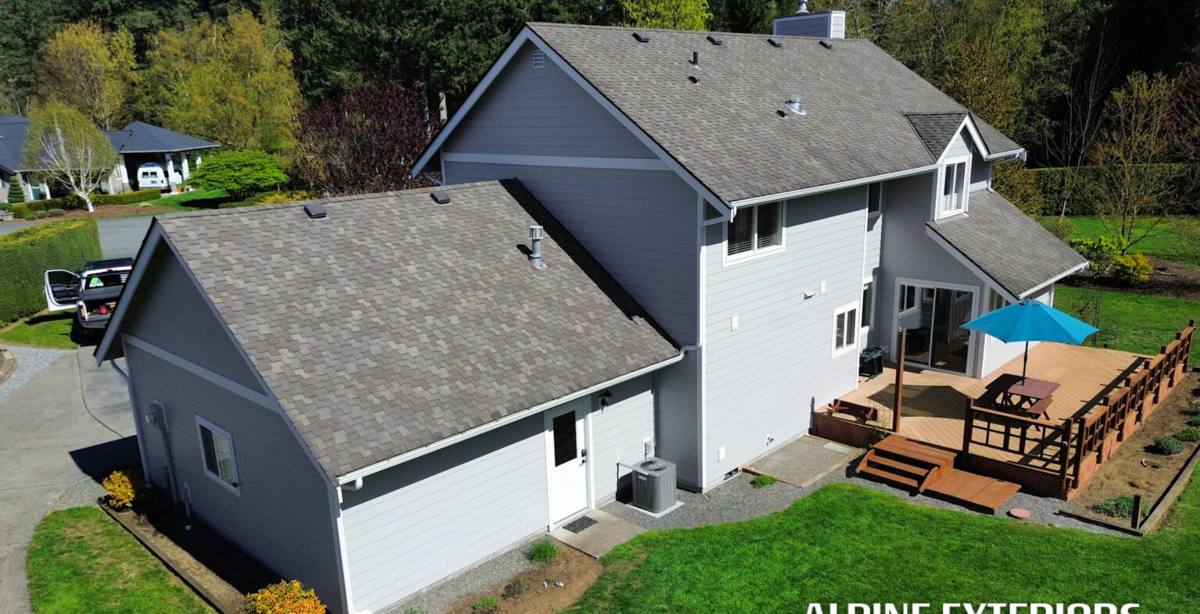
Windows rarely fail in isolation on a barrier island home. The same salt air, UV, and wind that wear down window seals and hardware are working on the siding, roof, and any deck or outdoor structure at the same time. We handle all four trades for that reason — it's common for a Longboat Key home to need attention to more than one system at once, and it's more efficient (and easier to keep track of) when one crew understands how the whole exterior is holding up rather than coordinating separate contractors who never see the full picture.
If we're out for a window estimate and notice flashing issues at the roofline, corroded fastener staining on siding, or a deck ledger board that looks compromised by moisture, we'll tell you — not to upsell, but because on the coast these things are genuinely connected. A leak at a window head can show up as a stain on siding six feet away, and vice versa.
Why a Local Bradenton Crew Matters Here
A barrier island isn't a typical job site. Access can be tighter, HOA or condo association rules vary property to property, and the exposure conditions are different enough from mainland Bradenton and Manatee County work that experience actually shows up in the details — how a crew flashes a coastal window opening, how they handle hardware that's already showing salt corrosion, how they sequence work around wind and rain patterns that are more unpredictable on the water than a few miles inland.
Being a local crew also means we're not disappearing after the invoice is paid. If a seal needs a warranty check two years down the road, or a storm raises a question about how an installation held up, we're still the same company down the road in Bradenton — not a regional franchise that subcontracted the job and moved on.
Simple Maintenance That Extends Window Life on the Key
Good installation buys time, but ongoing upkeep is what actually gets a coastal window to its full expected lifespan. A few habits make a real difference:
- Rinse frames and hardware periodically with fresh water to reduce salt buildup, especially after windy or stormy stretches
- Lubricate locks and cranks on a regular schedule rather than waiting until they stick
- Inspect exterior caulk and sealant lines once or twice a year and touch up before gaps open up
- Keep an eye on nearby landscaping so vegetation isn't trapping moisture against a window or frame
- Address any soft trim, staining, or condensation between panes promptly rather than waiting
None of this requires special equipment or expertise — it's mostly about not letting small issues sit through another storm season.
Get a Straightforward Look at Your Windows
If you're dealing with stiff hardware, drafts, fogged glass, or you're just planning ahead for a home on Longboat Key, we're happy to come take an honest look. There's no pressure and no sales script — just a straight assessment of what your windows are facing and what it would take to address it. Use the form below to request a free estimate.