 Bradenton Window
 Windows in Mill Creek: Built for What This Climate Actually Does
Mill Creek sits inland enough from the coast to feel a little removed from the beach crowds, but don't mistake distance for protection. Manatee County weather doesn't care whether a house is a mile from the water or fifteen. Homes here still take on the same year-round UV load, the same wind-driven rain during summer storms, and the same tropical system risk every hurricane season. Salt air travels further than most homeowners assume, especially when onshore winds push it inland during a storm. Windows are one of the first parts of a house to show the wear from all of that, and they're also one of the most important parts of the house when a storm actually hits.
We work on homes throughout Mill Creek and the surrounding Bradenton area, and the patterns repeat from house to house. Frames chalk and fade years before the glass itself fails. Seals give out under repeated pressure cycling from summer storms. Hardware corrodes faster than homeowners expect, even on windows that still look fine from the street. None of this is a knock on any particular builder or product — it's just what Gulf Coast weather does to exterior building materials over time, window included.
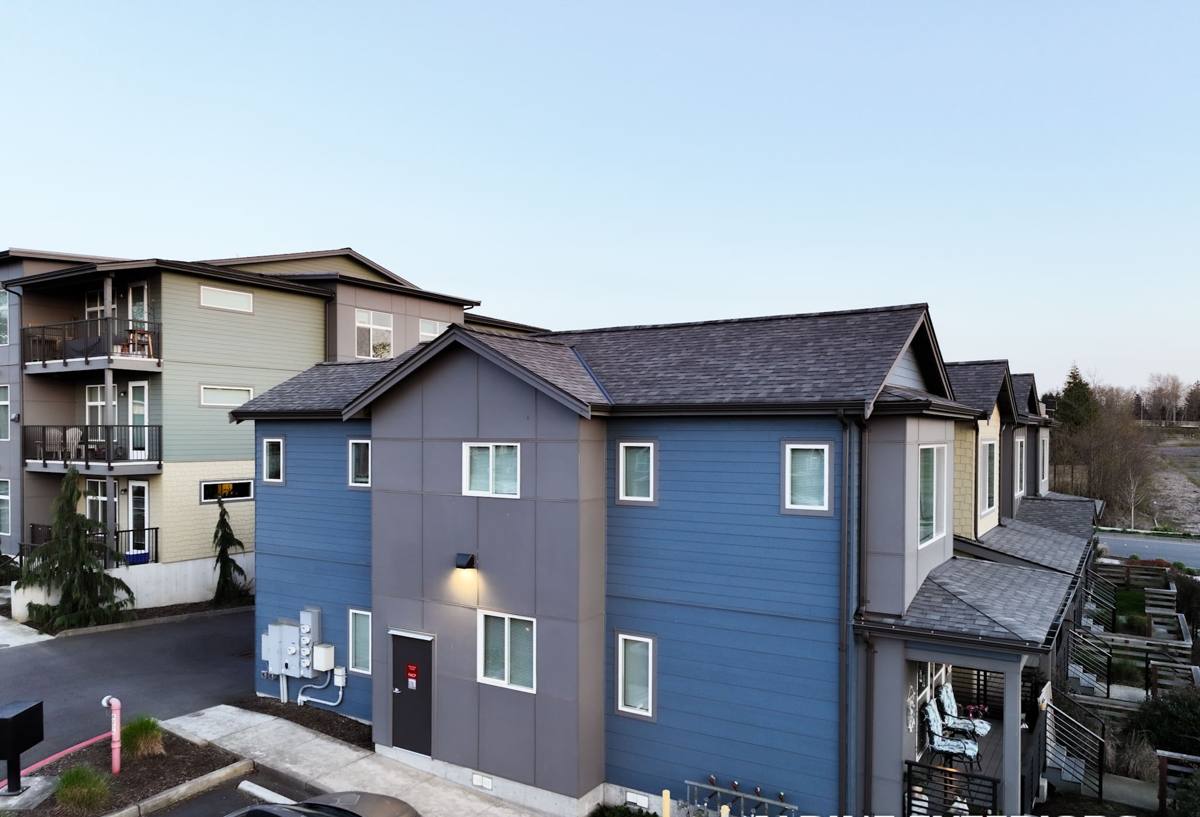
What Makes Mill Creek Windows Wear Out Faster
UV Exposure
Florida sun is intense almost every day of the year, not just in summer. UV breaks down the plasticizers in vinyl frames and the seals around glass units, which is why older windows in this area often show visible yellowing, chalking, or brittleness well before the glass itself has any problem. Once a frame starts to go brittle, it loses its ability to hold a tight seal against wind and water.
Wind-Driven Rain
Bradenton's summer storm pattern isn't gentle, straight-down rain — it's rain pushed sideways by wind, sometimes for hours at a time. Windows that were fine in a light shower can leak once wind pressure starts forcing water into gaps around an aging frame or a failed sealant joint. This is one of the most common repair calls we get: not a storm-damaged window, just a slow leak that's been getting worse for a year or two.
Salt Air and Corrosion
Even away from the immediate coastline, salt-laden air moves inland on wind, especially during and after tropical systems. It accelerates corrosion on window hardware — hinges, locks, balances, and screws — faster than in drier inland climates. Aluminum and lesser-grade hardware are especially vulnerable.
Hurricane-Force Wind Pressure
Manatee County sits within a wind-borne debris region under Florida building code, which means window performance isn't just about comfort or energy bills — it's a structural consideration. A window that fails during a storm doesn't just break; it can let wind pressure into the house, which puts stress on the roof structure from the inside. This is the main reason impact-rated products matter here in a way they simply don't in most of the country.
Impact-Rated vs Standard Windows for Manatee County Homes
Homeowners often ask whether they actually need impact-rated windows or whether a standard window with a separate shutter system is good enough. Both are legitimate approaches, and the right one depends on the house, the budget, and how much day-to-day convenience matters to you.
| Factor | Impact-Rated Windows | Standard Windows + Shutters |
|---|---|---|
| Storm prep | None — always ready | Shutters must be installed before each storm |
| Upfront cost | Higher per opening | Lower window cost, added shutter cost |
| Daily use | No visual difference from standard glass | Full view year-round; shutters block light when deployed |
| Noise & UV reduction | Better on both, even outside storm season | No everyday benefit |
| Insurance impact | Often eligible for premium credits | Credits vary, sometimes lower |
| Code compliance | Meets wind-borne debris requirements on its own | Requires code-compliant shutters, properly rated |
Neither option is wrong. Some Mill Creek homeowners prefer impact glass because it's a one-time investment with no prep required before a storm. Others prefer keeping their existing windows and adding a quality shutter system to manage cost. We'll walk through both honestly during an estimate rather than push one option across the board.
How We Handle a Window Project in Mill Creek
Assessment First
Every project starts with a walk-around of the home, checking each window opening for frame condition, water intrusion signs, and how the current windows are performing. We're not selling a project before we've actually looked at the house — sometimes what looks like a full replacement job is really a sealant and hardware repair, and we'll say so.
Product Selection
Once we know what the house needs, we go over frame material, glass package, and impact rating options based on your budget and how the home is oriented — south- and west-facing openings take more UV and afternoon storm wind than north-facing ones, which sometimes changes the recommendation window by window.
Installation
Proper flashing and sealant work around the rough opening matters more than the window itself in a climate like ours. A great window installed with a shortcut on the flashing will leak eventually. We treat that prep work as the part of the job that actually determines whether the window performs in a real storm, not just on a spec sheet.
Cleanup and Walkthrough
We clear debris, confirm every window operates smoothly, and walk the homeowner through anything they should know about care or warranty coverage before we consider the job finished.
Frame Materials: What We Recommend and Why
Vinyl, aluminum, and fiberglass all show up in Bradenton-area homes, and each has real trade-offs in this climate rather than one clear "best" answer.
- Vinyl is the most common choice for good reason — it doesn't corrode from salt air, handles UV reasonably well in quality formulations, and comes in impact-rated options at a range of price points.
- Aluminum is strong and slim-profiled, but it's more prone to salt-air corrosion over time and conducts heat, which matters for energy bills in a hot climate. We still use it in specific applications where its strength and narrow sightlines are the priority.
- Fiberglass holds up extremely well against UV and temperature swings and doesn't corrode, but it carries a higher material cost, which is the main reason it's less common than vinyl on typical residential replacements here.
We steer homeowners away from lower-grade product lines that use thin-wall vinyl or minimal reinforcement, not because any one brand is bad, but because thin frames flex under Florida's wind pressure and UV exposure in ways that shorten their working life. It's a maintenance and durability call, not a brand dispute.
Windows Don't Fail Alone — The Rest of the Exterior Takes the Same Beating
We handle siding, roofing, decks, and windows because on a Florida exterior, these systems are connected. A window leak often traces back to a roofing or flashing issue above it. Siding that's failed near a window opening usually means water has been getting behind the wall assembly at that seam for a while. When we're on-site for a window estimate in Mill Creek, we'll flag anything we notice on the roofline, siding, or decking that's contributing to the problem — not to upsell unrelated work, but because ignoring it means the new windows inherit an old moisture problem.
What a Mill Creek Window Project Typically Costs
Pricing depends heavily on opening count, size, frame material, and whether you choose impact-rated glass, so we won't quote a number without seeing the house. In general terms, here's what tends to move the price up or down:
| Factor | Effect on Cost |
|---|---|
| Impact-rated vs standard glass | Impact glass costs more per opening but removes the need for separate shutters |
| Frame material | Vinyl is typically most affordable; fiberglass runs higher |
| Number and size of openings | More openings and larger picture windows increase total cost |
| Existing frame condition | Rot or structural repair around openings adds labor before installation |
| Full-frame vs insert replacement | Full-frame replacement costs more but addresses flashing and structural issues insert replacement can't |
We'd rather walk the property and give you real numbers for your specific house than throw out a broad range that doesn't mean much either way.
Why a Local Bradenton Crew Matters for This Kind of Work
A crew that works Manatee County homes regularly already knows which details matter here — proper flashing for wind-driven rain, hardware that won't corrode prematurely in salt air, and installation practices that meet the wind-borne debris code requirements for this region. That local knowledge shows up in the small decisions during installation that a homeowner never sees but absolutely feels the first time a storm rolls through. It also means someone is nearby if a warranty issue or storm-related concern comes up later — not a call center, a crew that knows the house.
Checklist: What to Ask Before You Hire a Window Contractor
- Are you licensed and insured to work in Manatee County, and can you provide proof?
- Do you pull the required permits, and will the work be inspected?
- What impact rating or wind-load rating does this specific window carry, not just the product line in general?
- Is this a full-frame or insert replacement, and why is that the right call for my opening?
- What's covered under warranty — glass, frame, hardware, and labor — and for how long?
- Who's actually doing the installation — your crew, or a subcontractor?
- What happens if hidden rot or damage is found once the old window comes out?
A contractor who answers these clearly and specifically, without vague language, is usually one worth hiring.
Ready to Talk About Your Mill Creek Home?
If your windows are showing their age, leaking during storms, or you're just planning ahead of the next hurricane season, we're happy to come take a look. Estimates are free and there's no pressure to sign anything on the spot — we'll tell you honestly what your home needs and what your options are. Use the form below to get started.