 Bradenton Window
 Windows Built for Tara's Florida Climate
Tara sits inland from the coast in Manatee County, but "inland" in this part of Florida still means tropical humidity, intense year-round sun, wind-driven rain during summer storms, and the occasional direct hit from a hurricane track moving through the Gulf or up from the south. Homes here don't get a break from the weather just because they're a few miles from the water. Salt-laden air still moves through on sea breezes, UV exposure is constant nearly every month of the year, and any named storm that tracks through Manatee County brings the same wind and rain concerns as it does closer to Anna Maria Island or downtown Bradenton.
Windows are one of the hardest-working components on a house in this environment. They're asked to keep out wind-driven rain during a tropical storm, block enough UV to protect flooring and furniture, resist the pressure changes that come with hurricane-force gusts, and still open and close smoothly after years of humidity and heat cycling. When a window fails at any one of those jobs, the homeowner feels it — in a higher power bill, in faded interiors, in water intrusion around the frame, or in a failed inspection during a storm-prep check.
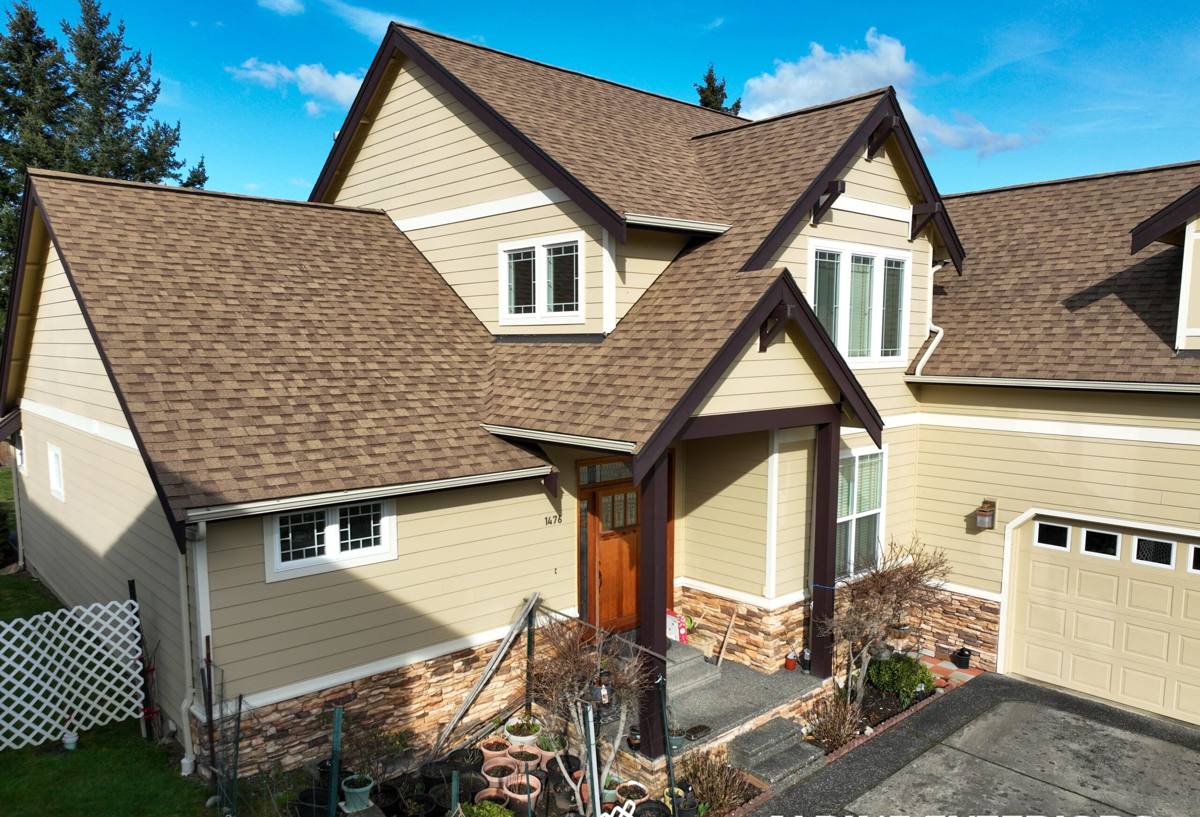
What We See on Tara Homes
Every neighborhood in the Bradenton area has its own mix of ages and construction types, and Tara is no exception — it's a mix of established single-family homes and newer construction, many built around the community's golf course layout. Regardless of age, the failure patterns we run into are consistent:
- Aluminum-frame windows from older construction that have pitted, chalked, or developed corrosion at the frame joints from years of humidity exposure
- Single-pane glass that leaves rooms noticeably hotter in the afternoon and drives up summer cooling costs
- Failed seals on older dual-pane units, visible as fogging or moisture trapped between the panes
- Caulk and sealant around window perimeters that has dried out, cracked, or separated from the stucco or siding, creating a path for wind-driven rain
- Non-impact-rated windows in homes that were built or last re-windowed before current Florida Building Code wind and impact requirements applied in Manatee County
None of these are unusual — they're just what happens to windows in a hot, humid, storm-exposed climate over ten, twenty, or thirty years. The question isn't whether a window will eventually need attention, it's whether it's replaced and installed correctly before it becomes a bigger problem.
Impact and Wind Considerations for This Area
Manatee County falls under Florida's wind-borne debris region requirements in the Florida Building Code, which means new and replacement windows generally need to meet either impact-resistant glazing standards or be paired with code-compliant protection. This isn't a matter of preference — it's enforced through the permitting process, and it affects what products can legally go into your home.
Impact-Rated Glass
Impact windows use a laminated glass interlayer, similar in concept to a windshield, so the glass can crack under debris impact without opening a hole in the building envelope. For homeowners in Tara, the appeal isn't just storm protection — impact glass also cuts down on outside noise and doesn't require homeowners to install, store, or deploy separate shutters or panels before a storm.
Pressure Ratings
Beyond impact resistance, every window installed has a design pressure (DP) rating that reflects how much wind load it can handle. The right DP rating for your home depends on your specific location, the home's height and exposure category, and roofline geometry. We size window and door replacements to meet Manatee County's permitting requirements for your address rather than installing a generic "hurricane window" and hoping it clears inspection.
Frame Material: What Actually Holds Up
Frame material matters as much as the glass in a climate like this. Heat, humidity, and salt air all affect materials differently over time, and the right choice depends on your budget, your home's style, and how much upkeep you want to take on.
| Frame Material | Hurricane Performance | Maintenance | Typical Lifespan | Notes for This Climate |
|---|---|---|---|---|
| Vinyl | Good with reinforced impact units | Low — no painting, won't corrode | 20-30 years | Most common replacement choice; performs well against humidity and salt air |
| Aluminum | Strong structurally | Moderate — can pit or corrode near salt exposure over decades | 20-30+ years | Common in older Florida construction; newer coated aluminum resists corrosion better than older stock |
| Fiberglass | Excellent, very stable under pressure cycling | Low | 30-40+ years | Higher upfront cost, minimal expansion/contraction with heat swings |
| Wood / Wood-Clad | Depends on cladding and glass package | High — needs regular sealing and inspection | Varies widely with upkeep | We're honest with homeowners that wood carries a real maintenance burden in Florida's humidity; it can work, but it takes commitment |
We don't push one material on every homeowner. Vinyl impact windows cover most budgets and hold up well in this area; fiberglass is worth the upgrade for homeowners who want the longest service life and least material movement; aluminum remains a solid, proven option, especially for homeowners matching existing frame styles. What we steer people away from is choosing purely on upfront price without factoring in how a product behaves after ten summers of Florida heat and humidity cycling — that's where cheap installations or lower-grade materials start showing problems.
Installation Quality Matters as Much as the Product
A correctly rated, well-built window installed poorly will still leak, still fail inspection, and still underperform. Most of the water intrusion and air leakage problems we get called out to inspect trace back to installation — not the window itself. Proper flashing, correct fastening patterns to meet the wind load calculations, sealant compatible with the surrounding wall material, and attention to how the window ties into stucco, siding, or trim all matter in a region that sees wind-driven rain multiple times a year.
This is also where a local crew makes a real difference. We know how Manatee County permitting and inspection works, we're familiar with the mix of stucco, block, and frame construction common around Bradenton and Tara, and we're not learning the local code requirements on your job. That translates into fewer surprises during inspection and a tighter, longer-lasting installation.
How the Window Replacement Process Works
- On-site assessment of existing windows, frame condition, and any water intrusion or structural concerns
- Measurement and product recommendation based on your home's exposure, budget, and style
- Written estimate with product specifications, including impact rating and design pressure where applicable
- Permitting handled for you through Manatee County, where required
- Installation, with attention to flashing and sealing around each opening
- Final inspection sign-off
Most single-family home window replacement projects can be completed in a matter of days once permitting is in hand, though larger whole-home projects or custom sizes take longer to schedule and fabricate.
Windows Are Part of a Bigger Exterior Picture
Windows don't operate in isolation — they're installed into siding, tied into roofline flashing, and exposed to the same sun and storms as the rest of the exterior. We handle siding, roofing, windows, and decks, which means when we're on-site for a window project, we're also positioned to flag related issues: siding that's lost its seal around a window opening, roof flashing that's directing water toward a header, or trim and fascia showing UV or moisture damage. Addressing windows as part of the whole exterior — rather than as an isolated product swap — tends to catch problems before they turn into interior damage.
Signs It's Time to Look at Your Windows
- Windows feel warm to the touch on the interior side during summer afternoons
- Visible fogging or moisture between panes on dual-pane units
- Difficulty opening, closing, or locking that didn't used to be there
- Cracked, chalky, or missing caulk/sealant around the frame perimeter
- Noticeable outside noise coming through that seems louder than it used to
- Rising cooling bills without any other change in usage
- Visible corrosion, pitting, or discoloration on aluminum frames
- Uncertainty about whether your current windows meet Florida's current wind and impact requirements
Cost Factors to Expect
Window replacement pricing varies based on a handful of specific factors, and we'd rather explain those than throw out a number that doesn't apply to your home:
| Factor | Why It Affects Cost |
|---|---|
| Frame material | Vinyl is typically the most budget-friendly; fiberglass and wood-clad cost more upfront |
| Impact rating / DP requirement | Higher-rated glass and reinforced frames cost more than standard glazing |
| Window size and count | Larger openings, sliders, and specialty shapes cost more than standard double-hung units |
| Structural or water damage found during removal | Rot or damaged framing behind old windows adds repair scope |
| Permitting complexity | Whole-home replacements involve more inspection steps than single-window repairs |
Whole-home projects on a typical single-family house in this area generally run from a few thousand dollars into the higher five figures depending on the number of openings, glass package, and frame material — the range is wide because the inputs above vary so much from house to house. A site visit is really the only accurate way to scope your project.
Get a Free, No-Pressure Estimate
If your Tara home has windows that are underperforming, aging, or you're just not sure whether they'd hold up in the next storm season, we're happy to take a look. There's no pressure and no obligation — just a straightforward assessment and an honest recommendation based on what your home actually needs. Fill out the form below to schedule a free estimate.