 Bradenton Window
 Why Anna Maria Island Roofs Wear Out Faster Than Homes Just a Few Miles Inland
A house on Anna Maria Island sits in a different climate than one a few miles inland in Bradenton proper, even though they're in the same county. Being a barrier island means direct, unobstructed exposure to Gulf winds, salt-laden air, and sun reflecting off open water. There's no tree line, no row of neighboring rooftops, and often no adjacent structure to break the wind before it hits the roof deck. That exposure adds up over the life of a roof in ways that aren't always obvious until a homeowner is dealing with lifted shingles, rusted fasteners, or a deck that's been taking on moisture for years without anyone noticing.
Manatee County sees its share of tropical systems and seasonal squalls, but island properties take the brunt of it first. Wind-driven rain doesn't just fall on a roof here — it gets pushed sideways and upward under edges, laps, and flashing that would stay dry on a more sheltered inland home. Add constant UV exposure and airborne salt that settles on every metal component, and you have a roofing environment that punishes shortcuts a lot faster than most of Florida.
What a Correct New Roof Installation Actually Involves Here
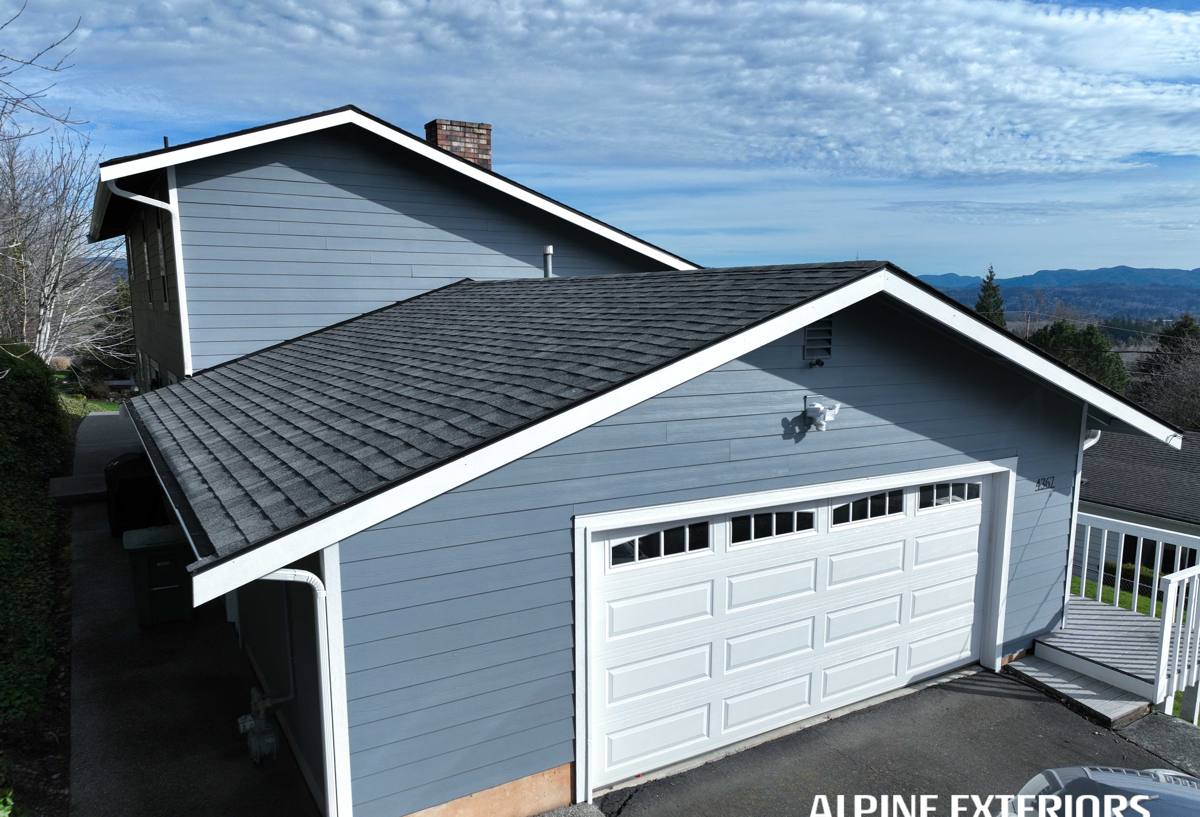
A new roof on Anna Maria Island isn't just shingles nailed to a deck. Done right, it's a system of layers working together, and each layer matters more here than it would on a sheltered inland property.
The Deck Comes First
Every proper re-roof starts with a full tear-off down to the deck, not an overlay. That's the only way to actually see what's underneath — soft spots, old water staining, delaminated plywood, or nail patterns that were never right to begin with. On island homes, especially older ones, it's common to find sections of decking that have absorbed moisture over years of small leaks nobody noticed from inside. Replacing that decking before anything else goes down is non-negotiable; skipping it just buries a problem under a new roof.
Underlayment and Water Barrier
Given how much wind-driven rain this stretch of coast sees, a self-adhering underlayment at eaves, valleys, rakes, and around penetrations does real work — it's the layer that keeps water out when wind forces it under shingles or tile that would otherwise shed it normally. This isn't optional upgrade territory on a barrier island; it's part of doing the job correctly.
Fastening and Flashing
Nailing patterns, fastener count, and flashing details at walls, chimneys, and roof-to-wall transitions all need to match current wind-uplift requirements — and they need to be installed with corrosion-resistant hardware suited to salt air, not whatever is cheapest at the supply house. A roof can meet code on paper and still fail early if the fasteners corrode faster than the rest of the system ages.
Choosing a Roofing System for Wind, Salt Air, and UV
There's no single "best" roofing material for every home on the island — it depends on the structure, the budget, and how the homeowner weighs upfront cost against long-term maintenance. Here's how the common options compare for this specific environment.
| Roofing System | Wind Performance | Salt Air / Corrosion Resistance | Maintenance | Typical Lifespan Range |
|---|---|---|---|---|
| Architectural Asphalt Shingle | Good, when rated and installed to spec | Fair — depends on fastener and flashing quality | Low to moderate | 15–25 years |
| Standing Seam Metal | Excellent when properly fastened | Strong, with the right coating and fastener spec | Low | 30–50 years |
| Concrete or Clay Tile | Very good when tiles are properly secured | Good — tile itself doesn't corrode, but underlying flashing must be rated for the coast | Moderate (occasional tile replacement, gutter care) | 30–50 years |
We'll walk through these trade-offs honestly during an estimate — including what each system actually costs to install and live with here, not just the sticker price. A cheaper system that needs attention every few years isn't automatically the better deal on a coastal property.
Our Installation Process, Start to Finish
- Inspection and estimate — we look at the existing roof, the deck (where visible), attic ventilation, and any problem areas before recommending a system.
- Material selection — we go over the honest trade-offs for your home and budget, not a one-size-fits-all pitch.
- Permitting — we pull the required Manatee County permit before work starts.
- Tear-off and deck inspection — full removal of the old roofing, deck checked and any damaged sections replaced.
- Underlayment, flashing, and fastening — installed to current wind-uplift and moisture-barrier standards for coastal exposure.
- Roofing system installation — installed per manufacturer specification for the wind rating you're paying for.
- Inspection and cleanup — final inspection scheduled, site cleaned, and a walkthrough so you know exactly what was done.
Permits, Inspections, and Manatee County Code
Every roof replacement on Anna Maria Island requires a permit through Manatee County, along with inspections at key stages of the work — typically at dry-in and again at completion. Current Florida Building Code requirements also call for additional moisture protection at the deck level on many re-roofs in high-wind coastal areas, on top of standard underlayment. This isn't paperwork for its own sake — it's the mechanism that keeps a roof's actual wind rating honest, and it's also what your insurance company will want documented if you ever need to file a claim.
Skipping or shortcutting the permit process might save a few days upfront, but it leaves you without an inspection record, which can complicate insurance claims, home sales, and warranty coverage down the road.
Protecting Against Salt Air Corrosion
Salt air is the quiet threat on a barrier island roof. It doesn't cause dramatic failures the way a bad storm does — it works slowly, corroding fasteners, pitting exposed metal flashing, and shortening the service life of hardware that would last decades a few miles inland. Our standard on island jobs is to use fasteners and flashing components rated for coastal exposure, not standard-grade hardware that's fine for an inland roof but starts failing early here. It costs a little more upfront and it's worth it — a roof is only as strong as its weakest fastener.
Why Hiring a Crew That Already Works Anna Maria Island Matters
Getting Materials and Crews to the Island
Anna Maria Island is connected to the mainland by bridges, and getting materials, equipment, and a crew back and forth efficiently takes planning that an unfamiliar contractor simply hasn't done before. A crew that already works here knows how to stage a job so it doesn't stretch into extra days waiting on deliveries or dealing with traffic bottlenecks during peak season.
Local Rules and Seasonal Rhythms
Many properties here are governed by HOA or condo association rules about work hours, staging areas, and appearance standards — details that catch out-of-town contractors off guard and can delay a project. A crew with island experience also understands the seasonal population swings and plans work windows accordingly, rather than promising a timeline that doesn't account for local reality.
Knowing How Wind Behaves Block by Block
Wind exposure isn't uniform across the island — a home directly facing open Gulf water takes a different beating than one set back a few streets. A crew that's worked all over Anna Maria Island brings that pattern recognition to your estimate instead of applying a generic inland approach to a coastal property.
After Your New Roof: What to Keep an Eye On
A properly installed roof on Anna Maria Island still needs basic homeowner attention to get its full expected lifespan. A few habits go a long way:
- Walk the exterior after any significant storm and look for lifted shingles, displaced tiles, or loose flashing
- Keep gutters and downspouts clear so water isn't pooling or backing up under roof edges
- Rinse accumulated salt residue off metal flashing and accents when you can
- Trim back any overhanging vegetation that can drop debris or hold moisture against the roof
- Schedule a professional visual inspection every couple of years, and always after a named storm
- Address minor issues immediately — small leaks and lifted edges only get more expensive to fix the longer they sit
None of this replaces professional inspection, but it catches problems early, before wind and salt air turn a small fix into a full repair.
Let's Talk About Your Roof
If you're planning a new roof on Anna Maria Island, we're happy to walk your property, answer questions honestly, and put together a written estimate — no pressure, no pushy sales tactics. Use the form below to request your free estimate and we'll go from there.