 Bradenton Window
 Samoset's Roofs Work Harder Than Most
Samoset sits inland enough from the Gulf to avoid the worst of the salt fog that coastal Anna Maria and Longboat Key properties deal with, but it's still Manatee County, which means every roof in the neighborhood is under year-round pressure from the same handful of forces: intense subtropical UV, sudden wind-driven downpours, tropical-storm and hurricane gusts, and humidity that never really lets up. Add in the older housing stock common to Samoset — plenty of homes built decades ago with roofs that have already been through a re-cover or two — and you get a neighborhood where shingle condition varies block to block depending on who did the last job and how well it was done.
Asphalt shingles remain the most practical roofing choice for the vast majority of Samoset homes. They're cost-effective, well understood by insurers, available in wind-rated products that meet Florida Building Code requirements, and easy to repair in sections if storm damage is localized. The catch is that "asphalt shingle roof" covers a wide range of quality, and in this climate the difference between a correctly installed roof and a rushed one shows up fast — usually as granule loss, curling edges, or leaks around penetrations within the first few years instead of lasting a full service life.
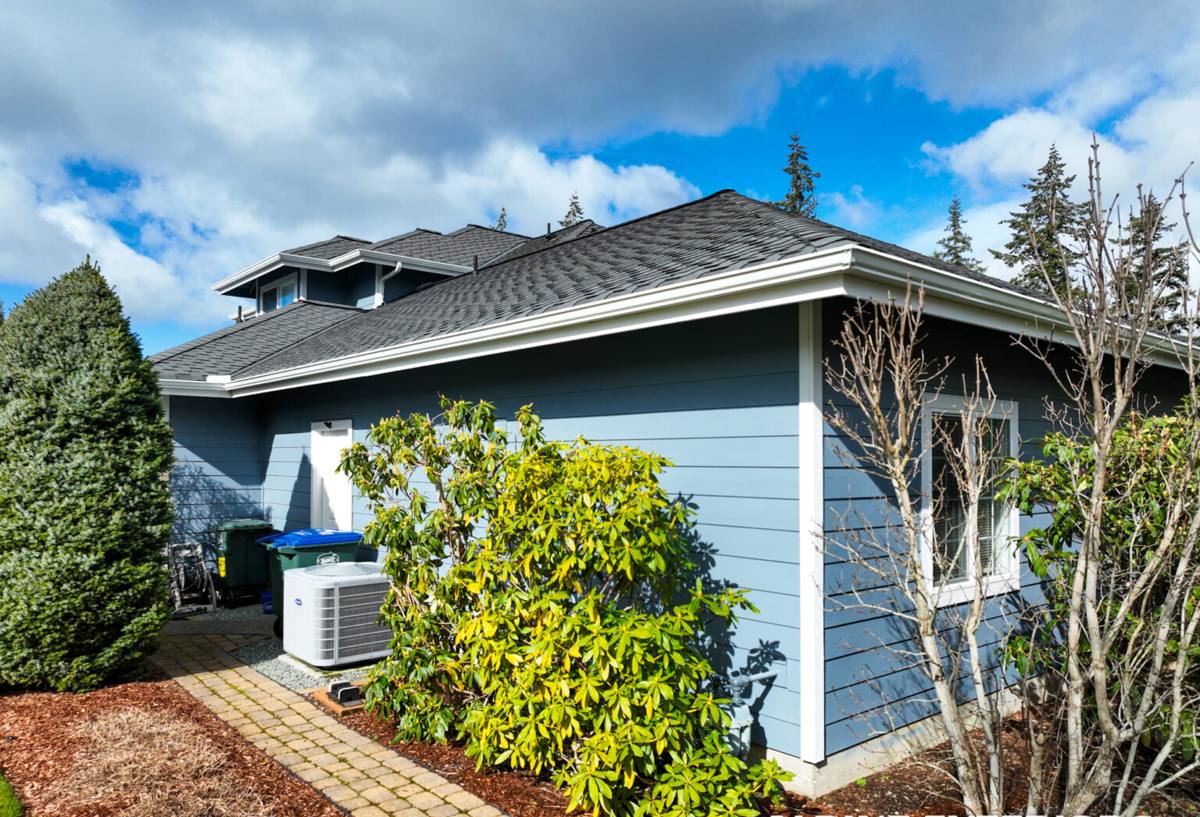
What Bradenton's Climate Actually Does to a Shingle Roof
UV and Heat
Florida sun breaks down asphalt binders over time, drying out shingles and making them brittle. A roof that looked fine one summer can start losing granules and curling at the edges the next, especially on south- and west-facing slopes that take the most direct exposure through the afternoon.
Wind-Driven Rain
It's rarely straight-down rain that causes trouble — it's rain pushed sideways and upward under shingle tabs during a gusty afternoon storm or tropical system. That's a underlayment and flashing problem as much as a shingle problem, which is why what's underneath the visible shingles matters as much as the shingles themselves.
Hurricane and Tropical Storm Winds
Manatee County sees direct hits and near-misses often enough that every roof here needs to be installed to current Florida Building Code wind-uplift standards, not whatever the code required when the house was originally built. Nail pattern, shingle sealant strips, and starter course installation all affect whether a roof stays intact in sustained wind, and these are exactly the details that get shortcut on a rushed job.
Humidity and Attic Moisture
Year-round humidity means a poorly ventilated attic stays warm and damp longer than it should, which shortens shingle life from underneath and can encourage mold or wood rot in the decking. Ventilation is part of a correct roofing job, not an optional add-on.
What a Correctly Installed Asphalt Shingle Roof Includes
A roof that's built to actually hold up here isn't just shingles nailed to plywood. Every layer plays a role:
- Roof deck inspection and repair — any soft, delaminated, or water-damaged plywood gets replaced before anything goes back on, not covered up
- Underlayment — a synthetic or self-adhering underlayment rated for Florida's wind and moisture exposure, installed with proper overlaps
- Ice-and-water or self-adhered membrane at vulnerable points — valleys, eaves, and roof-to-wall transitions where wind-driven rain is most likely to find a way in
- Drip edge and starter strip — correctly installed at every eave and rake, not skipped to save material
- Flashing — new step flashing, counter-flashing, and pipe boot flashing at every penetration and wall intersection, not just caulk over the old flashing
- Shingle installation to manufacturer and code-specified nail pattern — nail count and placement directly affect wind rating, and it's one of the most commonly shortcut steps on cheap jobs
- Ridge and attic ventilation — matched intake and exhaust so the attic can actually breathe
Skip any one of these and the roof may still look fine from the street for a while — the problems just show up later, usually as a leak during the next heavy storm.
Signs a Samoset Roof Needs a Closer Look
Most roofing problems don't announce themselves with a dramatic leak — they show small signs first. Homeowners in Samoset should watch for:
- Granules collecting in gutters or at the base of downspouts
- Shingles that look curled, cupped, or are lifting at the edges
- Bald or shiny patches where granules have worn off
- Cracked or missing shingles after a windstorm, even a minor one
- Dark streaks or stains on the underside of the roof deck visible from the attic
- Soft spots when walking the roof, or sagging visible from the ground
- Rusted or lifted flashing around chimneys, vents, or skylights
- Daylight visible through the roof deck from inside the attic
- A noticeable rise in attic temperature or musty smell, suggesting poor ventilation or trapped moisture
Any one of these is worth a professional look. Several together usually mean the roof is past patching and into replacement territory.
Repair, Re-Cover, or Full Replacement?
Not every roofing problem in Samoset means a full tear-off. The right call depends on the roof's age, how widespread the damage is, and what's happening at the deck level.
| Situation | Typical Approach | Why |
|---|---|---|
| Isolated wind or debris damage on a roof under 10 years old | Targeted repair | Deck and underlayment are still sound; only the damaged section needs new shingles and flashing |
| Widespread granule loss, curling, or a roof nearing the end of its rated life | Full replacement | Patching an aging roof rarely matches color or seals as well, and underlying underlayment is likely degraded too |
| Soft decking, active leaks, or visible daylight in the attic | Full tear-off and deck repair | Compromised decking can't be re-covered safely — it has to be exposed and replaced |
| Roof close to a major storm season with known vulnerable spots | Priority repair now, replacement planned | Stabilize the weak points before wind season, schedule the larger job around it |
An honest inspection tells you which category a roof falls into — and a contractor who's not trying to upsell will say so plainly.
How Our Process Works
1. Inspection and Honest Assessment
We walk the roof (not just look at it from the ground), check the attic for moisture and ventilation issues, and give a straight answer on whether the roof needs repair or replacement — with photos and a plain-English explanation, not a sales pitch.
2. Written Proposal
Scope, materials, and pricing in writing before any work starts. No verbal-only estimates, no pressure to sign same-day.
3. Protecting the Property
Landscaping, pool areas, and driveways get covered or protected before tear-off begins. Debris is managed continuously, not left to pile up for days.
4. Tear-Off and Deck Inspection
Old shingles come off down to the deck so it can be inspected properly — this is the only way to catch soft or water-damaged plywood before it's covered back up.
5. Underlayment, Flashing, and Shingle Installation
Installed to manufacturer specifications and current Florida Building Code wind requirements, with attention to the details — valleys, penetrations, starter courses — that determine how the roof performs in the next storm, not just how it looks on day one.
6. Final Walkthrough and Cleanup
Magnetic sweep for nails, full site cleanup, and a final walkthrough so you know exactly what was done and what your warranty covers.
Shingle Options and Cost Factors
Most Samoset homes use one of a few shingle categories. The right choice depends on budget, wind exposure, and how long you plan to stay in the home.
| Shingle Type | General Cost Position | Best Fit For |
|---|---|---|
| 3-tab asphalt | Lowest cost | Budget-focused projects; generally lower wind ratings than architectural shingles |
| Architectural (laminated) asphalt | Mid-range | The most common choice for Florida homes — better wind performance and a longer service life than 3-tab |
| Impact-rated / high-wind architectural | Higher | Homes wanting maximum storm resilience or seeking a potential insurance premium credit |
Beyond the shingle line itself, the biggest cost factors are roof complexity (number of valleys, penetrations, and slopes), whether the decking needs repair once it's exposed, and how much of the underlayment and flashing system needs full replacement versus reuse. A contractor who gives a number without inspecting the attic and deck first is guessing — and that gap tends to become a change order once the tear-off starts.
Why Hiring a Crew That Already Works Samoset Matters
Roofing in Manatee County isn't generic. A crew that regularly works Samoset and the surrounding Bradenton area already knows the permitting process with the county, understands the wind-uplift requirements that apply here, and has seen firsthand what happens when a roof isn't installed with Gulf Coast weather in mind. That local familiarity shows up in small but important ways — knowing which underlayment holds up best through a humid summer before the shingles go on, sizing ventilation correctly for the area's attic temperatures, and being available for a warranty callback without a long drive.
It also matters for storm response. After a wind event, local crews are the ones who can get to a damaged roof quickly for a tarp or emergency repair, rather than a traveling storm-chasing outfit that's gone once the check clears.
Maintenance That Extends a Shingle Roof's Life
A correctly installed roof still needs basic upkeep to hit its full service life in this climate:
- Clean gutters and downspouts regularly so water doesn't back up under the eaves
- Trim back overhanging branches that drop debris or hold moisture against the shingles
- Have the roof inspected after any major storm, even without visible damage from the ground
- Address small leaks or lifted shingles promptly rather than waiting for them to spread
- Check attic ventilation periodically, especially in older homes where vents can get blocked by insulation or debris
None of this is expensive or time-consuming, but skipping it is one of the most common reasons a roof falls short of its expected lifespan here.
Get a Straight Answer About Your Roof
If you're in Samoset and wondering whether your roof needs a repair, a re-cover, or a full replacement, we're glad to take a look and give you an honest answer — no pressure, no upsell. Fill out the form below to schedule a free estimate.