 Bradenton Window
 Board & Batten Siding for Tara Homes
Tara is one of the more distinctive residential communities in Bradenton, with a mix of home styles where a vertical board & batten look shows up on gables, accent walls, porch fronts, and increasingly on full elevations as owners update from older horizontal lap siding. It's a clean, higher-contrast look that reads as more custom than standard lap siding, and it photographs well against the landscaped, golf-course-adjacent lots common in the area. But the look is only half the job. In Manatee County's climate, board & batten siding has to survive hurricane-force wind loads, near-constant UV exposure, wind-driven rain, and salt air moving inland from Tampa Bay and the Gulf — and not every version of "board & batten" on the market is built to do that.
This page covers what board & batten siding needs to hold up on a Tara home specifically, what a correct installation actually involves, and why we install it exclusively in James Hardie fiber cement rather than the wood, vinyl, or engineered-wood versions also sold under the same name.
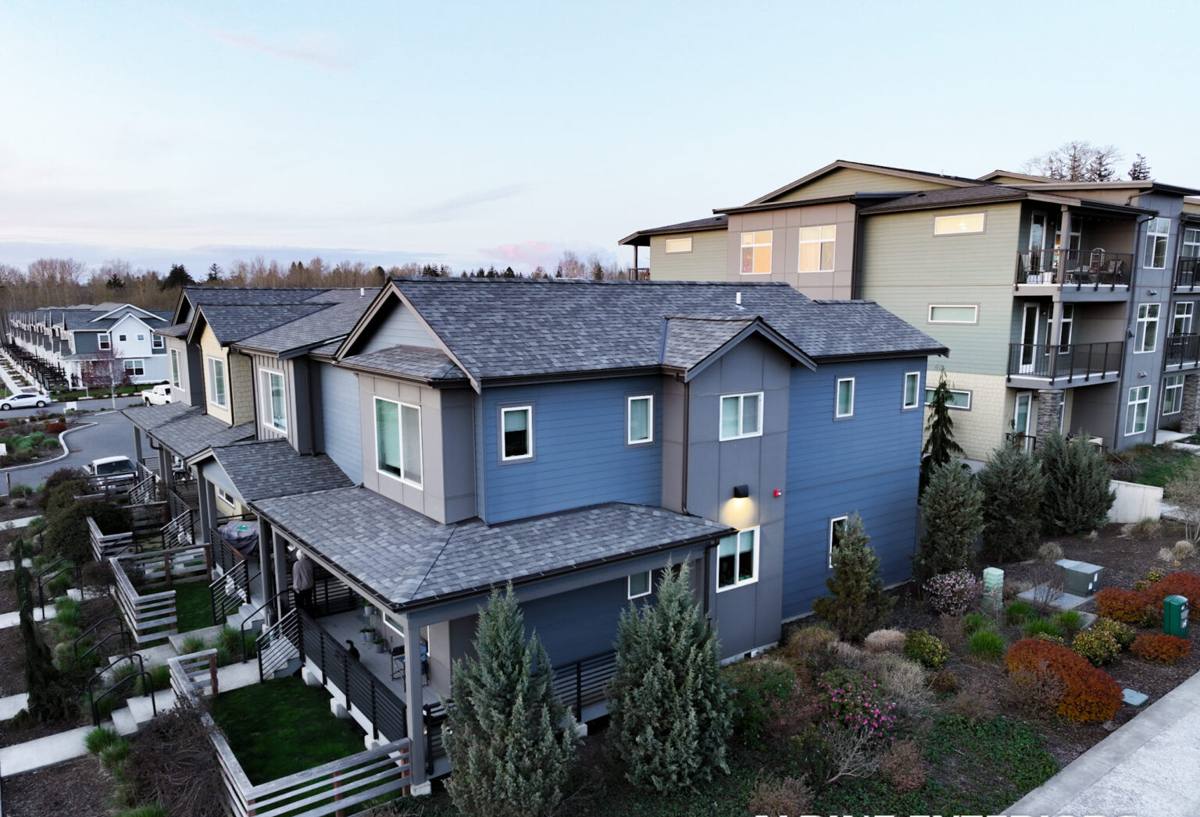
What Tara's Climate Actually Does to Board & Batten Siding
Wind and Wind-Driven Rain
Bradenton sits in a hurricane-exposed wind zone, and Manatee County's building code reflects that with specific wind load and fastening requirements. Vertical board & batten siding has more seams than horizontal lap — every batten strip is a joint — and each of those joints is a potential path for wind-driven rain to get behind the cladding if it isn't flashed and fastened correctly. A board & batten system that looks fine on a calm day can still leak during a tropical storm if the water-resistive barrier, flashing, and fastening schedule underneath weren't done to spec.
UV and Heat
Florida sun is hard on painted and stained wood surfaces year-round, not just in summer. Vertical siding faces the sun at different angles through the day than horizontal lap, and un-primed or field-finished boards tend to show fading, chalking, and finish breakdown faster than a factory-applied finish. On a batten system especially, uneven fading between boards and battens is a common cosmetic failure that's hard to fix without repainting the whole elevation.
Salt Air and Humidity
Tara isn't beachfront, but it's close enough to the Gulf that salt-laden air and Florida's year-round humidity both play a role in how siding materials age. Salt accelerates corrosion of exposed fasteners and metal trim, and humidity is what lets moisture-sensitive materials swell, warp, or support mold and rot if water finds a way behind the cladding.
Why We Only Install James Hardie for This Look
Board & batten is sold in several materials, and the label doesn't tell you much about how the product will actually perform in this climate. We standardized on James Hardie fiber cement — specifically HardiePanel vertical siding paired with HardieTrim battens — because it's engineered to handle exactly the conditions described above, and it comes with a factory-applied ColorPlus finish rather than a field-applied paint job that has to survive Florida sun on its own.
What This Means in Practice
- Fiber cement doesn't rot, swell, or attract termites the way wood-based boards can
- It's non-combustible, which matters for insurance and fire-code considerations
- ColorPlus factory finish is baked on under controlled conditions, not brushed on at the jobsite, and holds color longer under UV than most field-applied paints
- James Hardie's HZ5 product line is formulated for Florida's humidity and moisture exposure specifically, not a generic national product
- The panel-and-batten system gives a true vertical board & batten appearance without relying on solid wood boards that move with humidity
We don't install vinyl board & batten, primed spruce, cedar, or engineered wood siding like LP SmartSide for this application. Each of those has a place in the market, but they carry trade-offs — moisture sensitivity, shorter finish life, more frequent maintenance, or warranty structures that don't hold up as well — that we're not willing to put our name behind on a Manatee County exterior. Hardie fiber cement, installed correctly, is what we're confident standing behind.
What a Correct Board & Batten Install Involves
The material is only as good as the installation behind it. Board & batten has more vertical seams than lap siding, so the details underneath matter more, not less.
Before the Siding Goes On
- Inspect and repair sheathing — any soft or water-damaged sheathing gets addressed before new siding covers it up
- Install or verify a continuous water-resistive barrier (WRB) behind the panels
- Flash all penetrations, windows, doors, and horizontal transitions before panels go up
- Plan panel and batten layout so seams land on framing and follow James Hardie's fastening specifications for the local wind zone
During Installation
- Correct fastener type, spacing, and embedment — this is what keeps panels attached in high wind, and it's the step that gets shortcut most often on rushed jobs
- Proper gapping at panel joints and trim per manufacturer specs, so the assembly can handle normal thermal movement without cracking caulk lines
- Battens installed plumb and evenly spaced, fastened into framing, not just into the panel
- All cut edges and exposed fastener heads sealed or primed per James Hardie's installation guidelines to protect long-term performance
None of this is unusual or exotic — it's the manufacturer's published installation standard. But skipping steps is exactly how a board & batten job ends up with leaks or failures within a few years instead of decades.
Comparing Board & Batten Materials
| Material | Wind/storm performance | UV & finish durability | Moisture behavior | Typical maintenance |
|---|---|---|---|---|
| James Hardie fiber cement | Engineered and rated for high-wind zones when installed to spec | Factory ColorPlus finish, long fade resistance | Does not rot or swell; not moisture-fed | Occasional wash; repaint only if desired for color change |
| Wood/cedar board & batten | Performance depends heavily on framing and fastening; wood can split in wind | Field-applied finish fades and needs recoating | Prone to swelling, cupping, rot if moisture gets in | Repainting/staining every few years, ongoing caulk maintenance |
| Engineered wood (e.g. LP SmartSide) | Generally solid when installed correctly | Factory-treated but still wood-based substrate | Edge and seam moisture sensitivity is the main long-term risk | Inspect edges/seams regularly; repaint over time |
| Vinyl board & batten | Can deform or detach in sustained high wind | Color is through the material but can fade and become brittle in intense UV | Doesn't rot, but can warp from heat | Low, but limited repair options if damaged |
This is a general comparison of how these material categories tend to behave — actual performance always depends on the specific product and how well it's installed.
Our Process for a Tara Board & Batten Project
- On-site assessment — we look at your current siding or sheathing condition, existing trim details, and how board & batten will look on your specific elevations before quoting anything
- Product and layout plan — panel width, batten spacing, and ColorPlus color selection, matched to your home's style
- Prep and repair — any sheathing or framing issues get fixed first, not covered up
- Installation — WRB, flashing, panels, and battens installed to James Hardie's specifications and the wind requirements that apply in Manatee County
- Final walkthrough — we go over the finished work with you before calling the job done
Why It Matters That We Already Work in Tara
Manatee County permitting and wind-load requirements aren't identical to every county in Florida, and a crew that pulls permits and passes inspections here regularly moves through that process faster and with fewer surprises than one working the area for the first time. We're also familiar with the kinds of gable and accent-wall board & batten applications that come up often in communities like Tara, and with coordinating around HOA guidelines where they apply. That local familiarity shows up as fewer change orders, fewer inspection delays, and a finished product that fits the neighborhood.
Signs Your Current Siding Needs Attention
- Visible gaps, cracking, or separation at board and batten seams
- Soft spots or give when you press on wood-based siding
- Peeling or chalking paint that's returned within a year or two of repainting
- Staining or streaking that suggests water is tracking behind the siding, not just running off it
- Bowing, warping, or visibly uneven battens
If you're seeing any of these, it's worth having someone look at what's happening behind the siding, not just the surface.
If you're considering board & batten siding for a home in Tara — whether it's a full elevation, gable accents, or a porch update — we're happy to take a look and put together a straightforward, no-pressure estimate. Use the form below to get started.