 Bradenton Window
 Decks Built for Life on Anna Maria Island
Bradenton Beach sits on a barrier island, which means every outdoor structure here is exposed to conditions that inland Manatee County homes simply don't deal with. A deck built with mainland assumptions — standard fasteners, unsealed lumber edges, framing sized for calm weather — tends to show corrosion, cupping, and loose connections within a few seasons. A deck built for the island is a different project from the start: different hardware, different material choices, and different attention to how wind and water move around an elevated coastal home.
This page covers what actually goes into a custom deck built to hold up in Bradenton Beach — not a generic overview of decking in general, but the specifics that matter for this stretch of coastline.
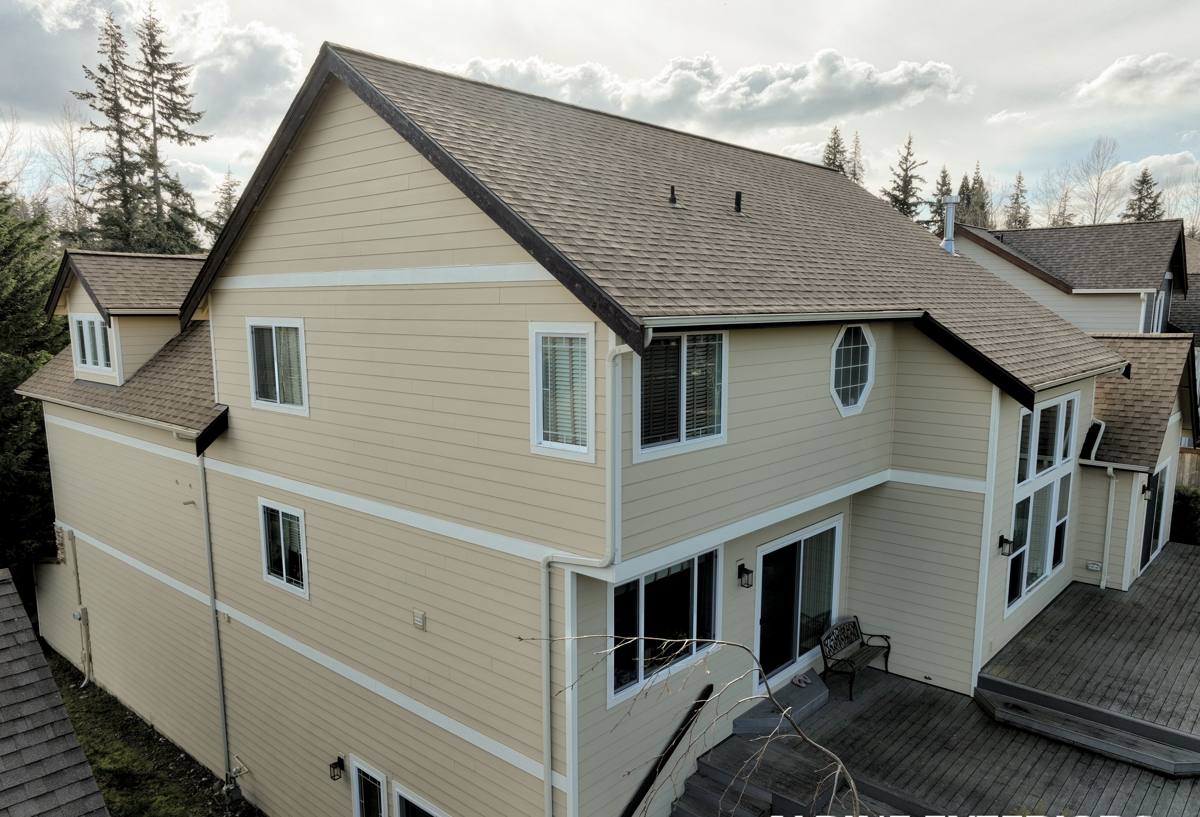
What the Local Climate Does to a Deck
Three things drive almost every decking failure we see on the island: salt exposure, sun exposure, and wind-driven water. Understanding how each one works is the difference between a deck that lasts and one that needs early repairs.
Salt Air and Corrosion
Airborne salt from the Gulf settles on every exposed surface, including metal you can't see. Standard galvanized fasteners and joist hangers corrode faster near the water than manufacturers' ratings assume, because those ratings are usually based on general outdoor exposure, not direct salt-air contact. Once a fastener starts rusting, it can stain the surrounding decking, weaken its hold, and eventually need replacement — which is a much bigger job once the decking is already installed over it.
Intense, Year-Round UV
Florida sun is strong enough, and consistent enough across the calendar, to break down wood fibers, fade color, and dry out finishes faster than in most of the country. Unsealed or under-maintained wood decking can silver, splinter, and crack within a couple of years on a south- or west-facing deck. Composite and PVC decking resist UV damage better, but even those products vary in how well their color-fade warranties hold up under this kind of constant exposure.
Wind-Driven Rain and Standing Moisture
Storms here don't just drop rain straight down — wind pushes it sideways, into railings, under boards, and against ledger connections where a deck meets the house. That means flashing, drainage gaps, and proper slope matter more here than in a low-wind climate. A deck that traps water against a house wall or framing member is setting up for rot or corrosion long before it's visibly damaged.
Choosing the Right Decking Material for Bradenton Beach
There's no single "best" decking material — there's a best material for this exposure, this budget, and this homeowner's maintenance tolerance. Here's how the common options stack up specifically for a salt-air, high-UV environment.
| Material | How It Handles Salt Air & UV | Maintenance | Typical Lifespan Here |
|---|---|---|---|
| Pressure-treated pine | Needs sealing and reapplication to resist moisture and UV; framing-grade fasteners must be corrosion-rated | Annual cleaning and re-sealing | 10-15 years with upkeep |
| Tropical hardwoods (e.g. ipe) | Naturally dense and rot-resistant, but still needs oiling to prevent graying and surface checking in strong UV | Periodic oiling, cleaning | 20-25+ years with upkeep |
| Composite decking | Resists rot and insect damage; quality varies by brand on UV fade resistance and moisture uptake at cut edges | Occasional washing, no sealing | 20-30 years, brand-dependent |
| PVC/capped polymer | Fully synthetic, handles salt spray and UV well; capped products resist moisture absorption best | Minimal — occasional washing | 25-30+ years |
| Aluminum framing/substructure | Doesn't rot or attract insects; still needs marine-grade or coated fasteners at connection points | Very low | Decades |
Framing lumber matters as much as the decking surface. On the island, we lean toward pressure-treated framing rated for ground contact plus stainless steel or heavy hot-dip galvanized (not standard electro-galvanized) fasteners and connectors — the upcharge on hardware is small compared to the cost of chasing corrosion failures later.
Elevation, Flood Zones, and Permitting Near the Water
Bradenton Beach and the surrounding Anna Maria Island area fall within FEMA-mapped flood zones, and many homes here are elevated. That changes how a deck gets designed and permitted compared to a typical mainland Manatee County build:
- Decks attached to an elevated home often need to account for breakaway or flood-vent design under the living space, per local building code
- Ledger attachments to elevated or pier-and-beam structures require connections engineered for both vertical load and wind uplift
- Footing depth and post sizing may be governed by flood zone requirements, not just standard frost-line or soil-bearing rules used elsewhere
- Manatee County and local jurisdictions require permits for most deck construction — a permit isn't a formality here, it's what confirms your structure actually meets coastal wind and flood requirements
We pull permits through the correct local jurisdiction and design to the wind speed and flood zone requirements that actually apply to your property, rather than defaulting to generic statewide minimums.
What a Correctly Built Deck Involves
A deck that's going to hold up on Bradenton Beach isn't just about picking good decking boards. The structure underneath does the real work.
Ledger and House Connection
Where a deck attaches to the house, proper flashing keeps wind-driven rain from getting behind siding or into wall framing. This is one of the most common failure points on decks built without coastal-specific detailing, because inland flashing practices don't always account for wind pushing water uphill against a wall.
Framing and Hardware
Joist hangers, post bases, and structural screws should be rated for coastal or salt-air exposure, not just "exterior use." Hurricane ties and proper post-to-beam connections matter for wind uplift resistance, which is a real design factor here, not a theoretical one.
Footings
Footing depth and size need to match both the soil conditions on the island and local wind/flood engineering requirements — this is one area where a generic "standard footing" approach can fall short of code.
Railings
Railings need to meet code height and load requirements while also standing up to salt exposure. Cable rail systems and aluminum or PVC railing tend to handle salt air with less maintenance than uncoated steel or untreated wood balusters.
Design Choices That Make Sense for This Location
Beyond structure, a few design decisions come up often for homes near the beach:
- Shade: A pergola or partial cover reduces surface heat and UV exposure on the decking itself, extending finish life
- Fastener finish visibility: Hidden fastener systems keep screw heads from becoming rust spots on the surface over time
- Ventilation underneath: Open joist spacing and gapped decking help the structure dry out faster after wind-driven rain events
- Pool and outdoor living decks: Saltwater pools add another layer of corrosive exposure — hardware selection matters even more around a saltwater pool deck
Our Process for a Bradenton Beach Deck Project
We handle Bradenton Beach and the surrounding island the same way every time, because skipping steps is where coastal decks go wrong:
- On-site assessment of your home's elevation, existing structure (if replacing a deck), sun exposure, and drainage patterns
- Material and design recommendations based on your budget, maintenance preference, and the specific exposure your deck will see
- Engineering and permitting through the correct local jurisdiction, accounting for wind load and flood zone requirements
- Construction with corrosion-rated fasteners and connectors throughout, not just on the visible surface
- Final walkthrough covering how to care for your specific decking material in a salt-air environment
What a properly built coastal deck should include, at minimum:
- Corrosion-rated (stainless or heavy hot-dip galvanized) fasteners and structural connectors throughout
- Proper ledger flashing where the deck meets the house
- Footings sized to local wind and flood zone requirements, not generic defaults
- Railing systems rated for both code compliance and salt exposure
- A permit pulled and inspected through the correct local jurisdiction
Maintaining a Deck in a Salt-Air Environment
Even the right materials need some ongoing attention this close to the Gulf. A periodic fresh-water rinse removes salt buildup before it accumulates on decking and hardware. Wood decks need their sealer or oil reapplied on a regular schedule to keep UV and moisture out. Composite and PVC decking need far less upkeep, but it's still worth checking fastener points and railing connections once or twice a year, since hardware is usually the first thing to show wear, even when the decking surface still looks fine.
Why a Crew That Already Works Bradenton Beach Matters
Building here isn't the same as building ten miles inland. A contractor who already works this barrier island knows which fasteners actually hold up to Gulf salt air, understands the flood zone and elevation requirements that apply to island permitting, and has already worked through the logistics of building on Anna Maria Island — from staging materials to coordinating around narrow access. That experience shows up in fewer surprises during permitting and a deck that's actually built for the conditions it will face, not just built to a generic statewide minimum.
If you're planning a new deck or replacing one that hasn't held up to the salt air and sun, we're happy to take a look and put together a free, no-pressure estimate — just fill out the form below and we'll go from there.