 Bradenton Window
 Building a Deck That Actually Holds Up in Cortez
Cortez sits close enough to the water that every outdoor structure gets tested by conditions most inland decks never see. Between the salt-laden air rolling off the Gulf and Sarasota Bay, the relentless Florida sun, and the wind loads that come with Manatee County's hurricane exposure, a deck built to generic specs starts failing years before it should. We build decks for homes in this specific stretch of coastline, and the difference shows up in the fasteners we choose, the framing details we insist on, and the materials we're willing to put our name behind.
This page covers what a deck in Cortez actually needs to survive and look good doing it, how we approach the build from first estimate to final walkthrough, and what ongoing care looks like once it's done.
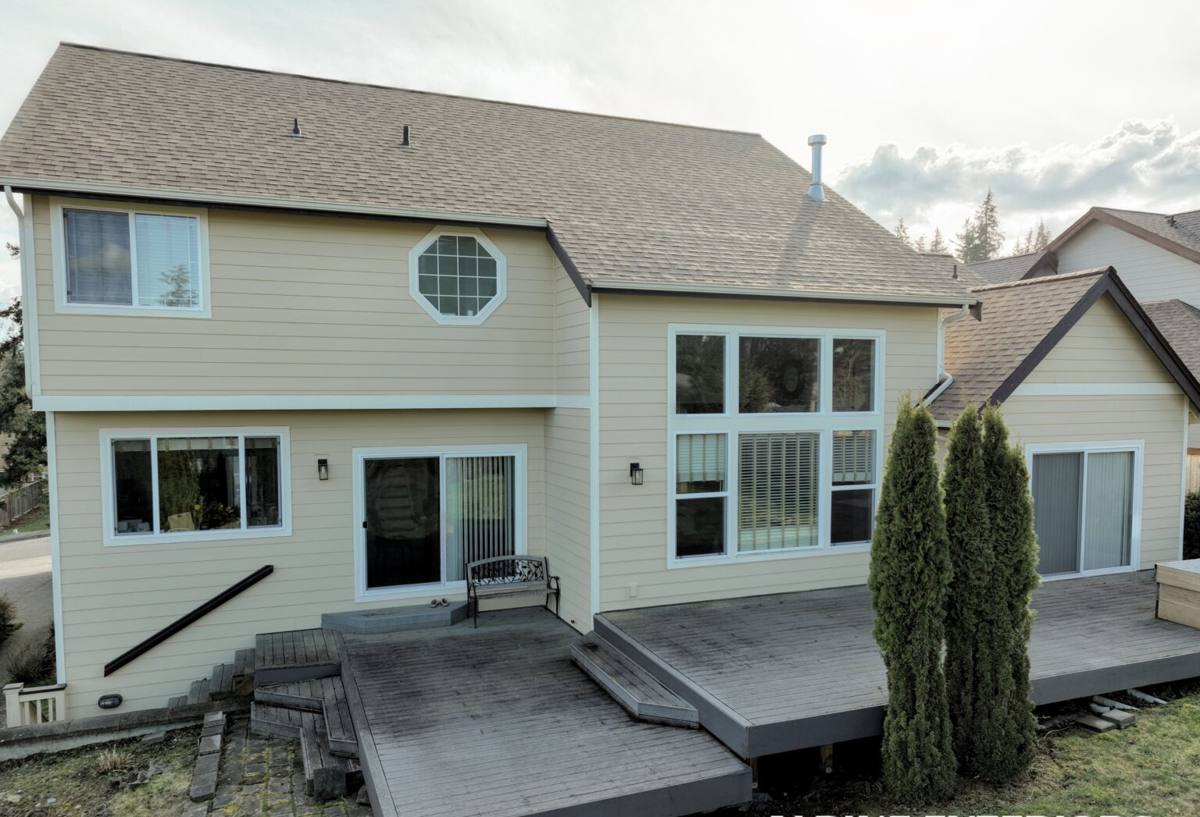
What Cortez's Coastal Environment Does to a Deck
Salt Air and Corrosion
Even a mile or two inland, salt-laden air carries fine particulate that settles on every exposed surface and fastener. Left unaddressed, standard steel hardware corrodes from the inside out — often invisibly, since the failure happens at the fastener shank buried in the wood or composite board, not at the visible head. A deck can look fine on the surface while its structural connections are quietly weakening underneath.
UV Exposure and Material Breakdown
Florida's UV index runs high nearly year-round, not just in summer. Untreated or poorly finished wood grays and splinters faster here than in most of the country, and lower-grade composite boards can fade unevenly or become brittle at the surface. UV damage is cumulative and irreversible — it's not something a fresh coat of stain corrects after the fact, which is why material choice up front matters more in Cortez than it would in a milder climate.
Wind-Driven Rain and Moisture Intrusion
Storms here rarely come straight down. Wind-driven rain gets forced sideways and upward, finding its way into ledger board connections, under railing posts, and into any gap where flashing or sealant was an afterthought. Trapped moisture is the single biggest driver of rot in wood-framed decks and of hidden corrosion in fastener systems — and it's almost always a detailing problem, not a material problem.
Hurricane Wind Loads
Manatee County's building code reflects the real risk of hurricane-force wind, and a deck attached to your home is part of that structural picture. Railing systems, post connections, and the ledger attachment to the house all have to be engineered to resist uplift and lateral loads, not just support the weight of people standing on the deck.
Choosing a Decking Material for a Cortez Home
There's no single "best" decking material — there's a best fit for your budget, your maintenance appetite, and how close your home sits to salt water. Here's how the common options actually compare in this specific environment.
| Material | Salt Air Resistance | UV/Fade Behavior | Maintenance | Typical Lifespan Here |
|---|---|---|---|---|
| Pressure-treated wood | Fair — hardware is the weak point | Grays without regular sealing | Annual cleaning/sealing recommended | 10-15 years with upkeep |
| Capped composite | Good | Stable color, some fading over time | Periodic washing, no sealing | 20-25+ years |
| PVC decking | Very good | Most fade-resistant option | Low — occasional washing | 25+ years |
| Aluminum framing/rail systems | Excellent when properly coated | Not UV-sensitive | Minimal | 25-30+ years |
We're upfront about trade-offs. Pressure-treated wood costs less up front but demands real maintenance discipline in this climate, and skipping a year of sealing shows up fast as graying and surface checking. Composite and PVC cost more initially but shift the maintenance burden way down, which is a fair trade for a lot of homeowners who want to actually use their deck instead of maintaining it. We'll walk through your specific situation rather than push one product across the board.
Fasteners and Hardware Matter As Much As the Decking
A premium composite deck built with standard hardware is still a coastal-corrosion problem waiting to happen. We use stainless steel or coated fasteners rated for coastal/marine exposure throughout the structure, not just on the visible surface boards. This is one of the areas where the difference between a correctly built deck and a corner-cut one is completely invisible until something fails.
What a Correctly Built Deck Actually Involves
Ledger Attachment and Flashing
Where the deck attaches to your house is the single most failure-prone connection on the entire structure. It needs proper through-bolting (not just lag screws in many configurations), correct flashing to shed water away from the house band board, and a gap or membrane detail that keeps wind-driven rain from wicking behind the ledger. This is also the connection most commonly done wrong on lower-bid jobs, because it's hidden once the deck boards go down.
Footings and Framing
Post footings need to be sized and set to local frost-line-irrelevant but wind-uplift-relevant depth requirements, with joist spacing and beam sizing that account for both the live load of furniture and people and the lateral forces of storm-level wind. Joist hangers, blocking, and post-to-beam connections all need to be rated hardware, not general-purpose fasteners.
Railing and Guard Systems
Railings are a life-safety component, not a design afterthought. Post spacing, baluster gaps, and top-rail load capacity all have to meet code, and every connection point is another opportunity for salt-air corrosion if the wrong hardware gets used.
Fastening the Decking Surface
Hidden fastener systems look cleaner and reduce the number of exposed screw heads that can corrode or work loose, but they need to be installed to the manufacturer's exact spacing and clip pattern — over-spacing to save material is a common shortcut that shows up as board movement within a few seasons.
Permitting and Manatee County Code Considerations
Deck construction in Manatee County requires a permit in almost every case, and inspections check the footing depth, framing connections, and railing compliance before the deck can be signed off. Skipping permitting isn't just a legal risk — it can also complicate a home sale or insurance claim down the line if an unpermitted structure is discovered. We handle the permit process as part of the job rather than leaving it to the homeowner to navigate.
How Our Process Works
- Site visit and assessment. We look at your home's exposure, existing structure if you're replacing a deck, and how the space will actually be used.
- Material and layout discussion. We go over the honest trade-offs between wood, composite, and PVC for your specific budget and maintenance preference, and finalize a layout that fits the house.
- Written estimate. Clear scope, materials, and pricing before anything is scheduled.
- Permitting. We pull the required Manatee County permits and schedule inspections at the appropriate build stages.
- Construction. Footings, framing, ledger attachment, decking, and railing, built to code and to coastal-hardware standards throughout.
- Final walkthrough. We go over the finished deck with you, including what maintenance it does and doesn't need going forward.
Maintaining a Deck in Cortez's Climate
Even low-maintenance materials benefit from a basic seasonal routine in this environment. This isn't about babying the deck — it's a short list that keeps salt residue and moisture from becoming long-term problems.
- Rinse the deck surface periodically to remove salt residue, especially after dry spells followed by rain
- Inspect railing posts and stair connections annually for any looseness or corrosion staining
- Keep gutters and downspouts clear so runoff isn't dumping extra water onto or near the deck structure
- For wood decks, reseal on the schedule the sealant manufacturer recommends — don't stretch it to save a season
- Check under the deck (crawl space or ground-level access) once a year for signs of moisture pooling or pest activity
- After any major storm, do a quick visual check of railings and ledger flashing before heavy use resumes
Why a Crew That Already Works in Cortez Matters
Building codes, wind-load requirements, and permitting processes vary by jurisdiction, and a crew that works Manatee County regularly already knows what the local inspectors expect at each stage. More importantly, we've seen firsthand what actually fails on decks in this specific coastal stretch — which hardware corrodes first, which ledger details let water in, which materials hold their color and which don't. That's knowledge you don't get from a general contractor who builds one deck a year between other types of work.
Let's Talk About Your Deck
If you're planning a new deck or need to replace one that's showing its age, we're happy to come take a look, walk the space with you, and put together a straightforward, no-pressure estimate. There's a form below — reach out and we'll get a visit scheduled.