 Bradenton Window
 Deck Replacement for Mill Creek Homes
Mill Creek is a quiet, established neighborhood in Bradenton, and a lot of the outdoor living space here was built during a different era of decking standards. If your deck is more than 12-15 years old, or it was built with materials and fasteners that weren't rated for what Gulf Coast weather actually does to a structure, replacement is usually a smarter investment than another round of patch repairs. This page covers what a correct deck replacement looks like for a Mill Creek home specifically, not decks in general.
The reason "specifically" matters: a deck built for a dry inland climate and a deck built for Manatee County are not the same structure, even if they look identical from the yard. Bradenton sees hurricane-force wind events, sustained high humidity, intense year-round UV, and salt-laden air moving in off the coast. All four of those work against wood, fasteners, and connections in different ways, and a deck that isn't built to account for them will show it early — usually within the first five to eight years.
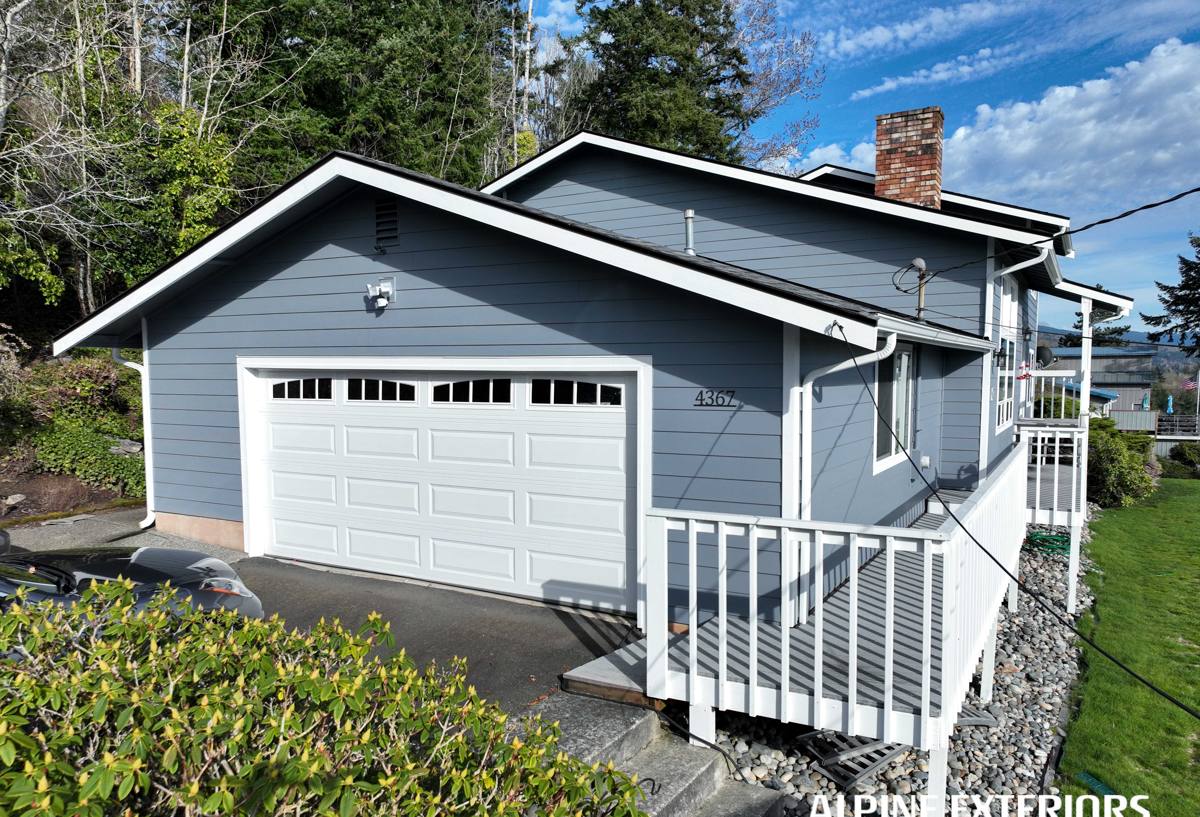
What This Climate Does to a Deck
Wind
Hurricane-force wind doesn't just push on a deck's railings — it gets underneath the decking boards and pulls up, and it racks the whole frame side to side. Ledger board attachment, joist hangers, and post-to-beam connections all need to be rated for uplift and lateral load, not just vertical weight. This is one of the most common corners cut on older or budget-built decks, and it's usually invisible until a storm finds it.
UV exposure
Florida sun is harder on exterior materials than most homeowners who haven't lived here realize. UV breaks down the lignin in untreated or poorly finished wood, causing surface checking, splintering, and color loss. It also degrades cheaper composite decking formulations over time, which is why not all composite products age the same way in a full-sun Bradenton backyard.
Wind-driven rain and humidity
Rain that comes in sideways during a storm gets into joints, fastener holes, and the ledger connection at the house — the single most failure-prone point on any deck. Combined with Florida's baseline humidity, wood that isn't properly flashed and sealed at that connection stays damp longer than it should, which accelerates rot from the inside out, often before it's visible from the top.
Salt air
Mill Creek isn't oceanfront, but Bradenton's proximity to the coast still means airborne salt reaches inland neighborhoods, especially with onshore wind. Salt exposure corrodes standard fasteners, screws, and hardware faster than an inland climate would, which is why fastener spec matters as much as the decking material itself.
Signs Your Mill Creek Deck Needs Replacing, Not Just Repairing
Repair makes sense when the problem is isolated. Replacement makes sense when the problem is structural or systemic. Here's how we tell the difference on a typical inspection:
- Soft, spongy, or bouncy decking in multiple areas, not just one board
- Visible gaps, rust streaks, or movement at the ledger board where the deck meets the house
- Rust-stained or corroded fasteners and joist hangers, especially near the perimeter
- Posts or footings that show cracking, heaving, or rot at the ground line
- Railings that flex or feel loose when pushed — a code and safety issue, not cosmetic
- A deck built before current wind-load and connection standards were common practice locally
If only one or two of these show up in a small area, targeted repair can be reasonable. If several show up, or the frame itself is compromised, replacing the deck properly is usually less expensive over time than repeated repairs that never address the underlying issue.
Choosing the Right Decking Material
There's no single "correct" material for every Mill Creek home — it depends on budget, how much upkeep you want to do, and how the deck is used. Here's an honest comparison based on how each material actually performs in this climate:
| Material | Upfront Cost | Maintenance | Heat & UV Behavior | Moisture/Salt Resistance |
|---|---|---|---|---|
| Pressure-treated wood | Lowest | Regular sealing/staining needed | Fades, checks, splinters without upkeep | Moderate — depends on maintenance |
| Capped composite | Mid-High | Low — occasional washing | Good; quality varies by product line | Good |
| Cellular PVC | Highest | Very low | Very good, does not absorb moisture | Excellent |
| Tropical hardwoods | High | Periodic oiling to maintain color | Naturally dense, ages gray without upkeep | Good, naturally decay-resistant |
We install pressure-treated wood, capped composite, and PVC decking depending on what the homeowner wants — we don't push one material as the only right answer. What we won't do is install a decking product over a substandard frame, because the decking is only as good as what's underneath it, and no surface material fixes a structural problem.
A note on composite quality
Not all composite decking performs the same in full Florida sun. Cheaper, uncapped composite boards can absorb moisture and fade unevenly over time, while capped composite and PVC products are built specifically to resist that. We'll walk you through the trade-offs for your specific yard — how much direct sun it gets, how it's used, and your maintenance tolerance — rather than defaulting to whatever's cheapest or whatever has the highest markup.
What a Correct Deck Replacement Involves
Demolition and inspection
We remove the old decking and expose the frame before quoting anything final, because you can't accurately assess ledger condition, footing integrity, or hidden rot until the old boards are off. This is also when we check for any past water intrusion into the house itself at the ledger connection.
Ledger board and flashing
This connection carries a large share of the deck's total load and is the single most common point of failure in humid, storm-prone climates. Correct installation means proper flashing that sheds water away from the house, corrosion-resistant fasteners rated for the load, and a solid connection into structural framing — not just into siding or trim.
Footings, posts, and framing
Footings need to be sized and set to local frost-free and load requirements (frost isn't a Florida concern, but bearing capacity and footing depth still are), posts need to be plumb and properly connected top and bottom, and joists need hangers rated for both vertical load and wind uplift — not just toe-nailed connections.
Fasteners and hardware
Given the salt air reaching Bradenton neighborhoods like Mill Creek, we use fasteners and structural hardware rated for coastal/corrosive exposure, not standard interior-grade hardware. This is a small line-item cost difference that has an outsized effect on how long the deck lasts.
Decking, railings, and finishing
Board spacing, fastening pattern, and railing attachment all affect both appearance and how the deck handles wind and moisture over time. Railings in particular need to meet current code height and baluster spacing requirements — an easy thing to get wrong on an older deck that's simply being "matched" rather than properly rebuilt.
Permits and Local Code Requirements
Deck replacement in Manatee County generally requires a permit, and inspections at key stages — footings, framing, and final. This isn't paperwork for its own sake: it's the mechanism that confirms wind load, connection hardware, and railing safety actually meet current standards, which matters more here than in a lot of other parts of the country given what Gulf Coast storms can do. We handle the permitting and inspection scheduling as part of the job, so you're not left coordinating that yourself.
Our Process for Mill Creek Deck Replacements
- On-site inspection of the existing deck, frame, and ledger connection
- Honest assessment of repair vs. full replacement, with reasoning explained
- Written estimate covering material options, structural upgrades needed, and timeline
- Permit filing and scheduling of required inspections
- Demolition, framing and ledger work, footing/post work as needed
- Decking, railing, and finish work
- Final walkthrough and inspection sign-off
Because we already work regularly in Mill Creek and the surrounding Bradenton area, we're familiar with the typical lot layouts, common existing construction methods used in the neighborhood, and the local permitting process — which keeps the job moving instead of stalling on avoidable back-and-forth.
Maintaining Your New Deck in This Climate
Whatever material you choose, a little seasonal attention goes a long way in Bradenton's climate:
- Rinse off salt residue and debris periodically, especially after storms with onshore wind
- Check railing connections and fastener heads once or twice a year for looseness or corrosion
- Reseal or stain wood decking on the manufacturer's recommended schedule — don't wait until it visibly fades
- Keep gutters and downspouts clear so runoff isn't dumping extra water onto or under the deck
- Inspect the ledger board area annually, since that's the connection most likely to show early trouble
Why Hire a Crew That Already Works in Mill Creek
A deck contractor who works this specific area regularly already understands the practical realities of local permitting, typical existing construction in the neighborhood, and what this climate actually does to a structure over time — versus a crew working from generic, one-size-fits-all specs. That local familiarity shows up in fewer surprises during demolition, fewer permitting delays, and a deck that's actually built for Bradenton conditions rather than assembled from a standard national spec sheet.
If you're weighing repair versus replacement, or just want an honest read on what your current deck actually needs, we're happy to take a look. Fill out the form below for a free, no-pressure estimate — we'll tell you straight whether replacement is the right call or not.