 Bradenton Window
 Siding That Has to Work in Braden River's Climate, Not Just Look Good on Day One
Braden River sits close enough to open water and the Gulf's moisture patterns that homes here take a harder beating than siding manufacturers assume in their generic marketing. Between hurricane-season wind loads, near-constant UV exposure, wind-driven rain that finds every gap, and the corrosive effect of salt-laden air drifting in off the water, exterior cladding in this part of Manatee County is doing real structural and protective work every single day. A siding choice that performs fine in a dry, temperate climate can fail here in a fraction of the time. This page is about one product, installed correctly, for this one area: James Hardie fiber cement siding for Braden River homes.
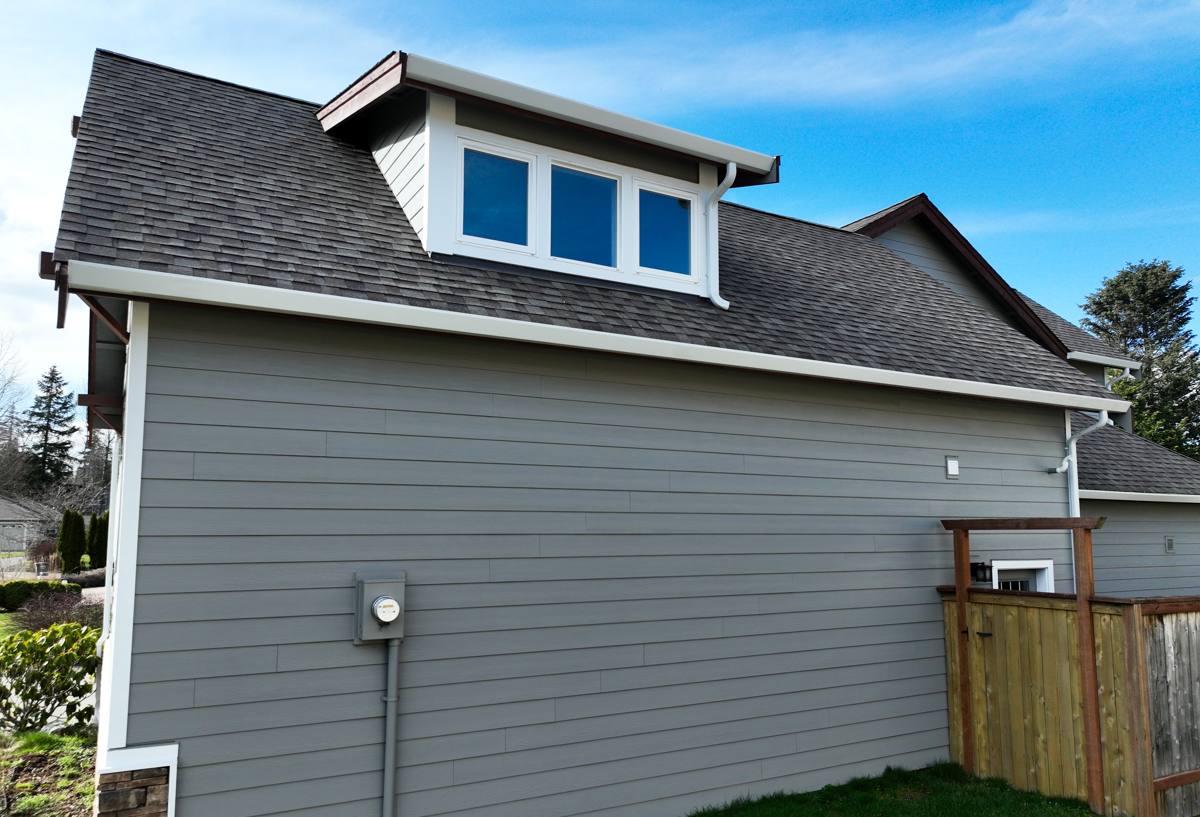
What This Climate Actually Does to Siding Over Time
It helps to understand the specific stresses Braden River siding is up against, because they're different in combination than almost anywhere outside Florida and the Gulf Coast.
Wind and Wind-Driven Rain
Tropical storm and hurricane-force winds don't just threaten to peel siding off the wall — they drive rain sideways under laps, around fasteners, and into any seam that wasn't sealed or flashed correctly. Materials that rely on tight, low-tolerance installation to stay watertight are far less forgiving in a climate where every summer brings multiple wind events strong enough to test every seam on the house.
Year-Round UV Load
Bradenton doesn't get a winter break from sun exposure the way northern markets do. Paint films and coatings that are only rated for moderate UV exposure chalk, fade, and break down faster here, which means more frequent repainting and a shorter interval before the substrate underneath is exposed.
Salt Air Corrosion
Even set back from the immediate coastline, homes in this part of Manatee County are exposed to airborne salt that accelerates corrosion of fasteners, trim, and any metal components in the wall assembly. It also interacts with certain coatings and substrates in ways that speed up surface breakdown.
Humidity and Moisture Cycling
Florida's humidity means siding rarely gets a chance to fully dry out between rain events. Products that absorb moisture, swell, or trap water behind the surface are working against the climate instead of with it, and that mismatch shows up as cupping, soft spots, and paint failure years before it should.
Why We Standardized on James Hardie Fiber Cement
We install James Hardie fiber cement siding exclusively — not vinyl, not LP SmartSide, not Cemplank or Allura, not primed wood. That's a deliberate standard, not a limitation of what we're capable of installing. Vinyl softens and warps under intense heat and can crack in wind events; wood-based composite products depend heavily on unbroken paint and sealant to keep moisture out of an engineered-wood core, which is a hard bar to clear in a climate this humid and sun-heavy. Fiber cement is non-combustible, dimensionally stable in heat and humidity, and doesn't rely on a perfect paint film to keep water out of the substrate. James Hardie is the manufacturer we trust to back that material with a proven track record, a factory-applied finish system, and product lines engineered specifically for high-wind, high-moisture climates like this one.
The HZ5 Product Line: Built for This Exposure Category
James Hardie engineers its siding by climate zone, and Manatee County falls into the HZ5 category — their highest-exposure engineering tier, developed specifically for hot, humid, storm-prone regions like Florida and the Gulf Coast. HZ5 products are formulated to resist moisture-related damage and hold up under the freeze-thaw isn't relevant here, but the humidity and storm-cycling resistance absolutely is. For Braden River homes, that means:
- A fiber cement formulation engineered for consistent performance in sustained high humidity
- ColorPlus factory-applied finish, baked on and cured under controlled conditions rather than field-applied paint fighting Florida sun from day one
- Panel and lap profiles engineered to work correctly with proper fastening patterns for high-wind zones
- A manufacturer warranty structure built around this specific climate category, not a generic national average
ColorPlus finish matters more here than in milder climates — a factory finish cured under controlled heat and UV exposure holds color and resists fading far longer than a field-applied coat that's asked to cure and then immediately face Florida sun and humidity.
What a Correct Fiber Cement Installation Actually Involves
Fiber cement siding is only as good as the installation behind it. The material itself is engineered to perform, but wind and water find every shortcut in the assembly, not just flaws in the panel. A correct job in this climate includes:
- A properly installed weather-resistive barrier behind the siding, lapped and sealed correctly at every penetration
- Correct fastener type, spacing, and embedment depth — under-driven or over-driven fasteners are one of the most common causes of early failure
- Manufacturer-specified clearances at grade, roofline, and horizontal trim to prevent moisture wicking
- Properly flashed and sealed windows, doors, and penetrations before siding goes up, not caulked after the fact
- Butt joints and seams treated per manufacturer spec, not just butted and caulked
- Ventilation gaps maintained where required so the wall assembly can dry properly in this humidity
Skipping any one of these doesn't show up immediately — it shows up two, five, or ten years later as water intrusion, soft trim, or paint and caulk failure. That's exactly why installation quality matters as much as the product choice itself.
Our Process for Braden River Siding Jobs
We keep the process straightforward and give homeowners a clear picture before any material is ordered.
1. On-Site Assessment
We walk the exterior, check the current siding and substrate condition, look at trim, flashing, and window details, and identify anything the wind or moisture has already gotten into.
2. Scope and Estimate
We put together a clear, itemized estimate covering material, tear-off if needed, and the specific HZ5 Hardie products and finish that fit the home — no pressure, no upsell games.
3. Prep and Weather Barrier
Old siding comes off, the substrate is inspected and repaired where needed, and a proper weather-resistive barrier goes on before a single piece of Hardie touches the wall.
4. Installation to Spec
Panels and laps go up following James Hardie's installation guidelines for this climate zone — correct fastening, clearances, and flashing at every transition.
5. Final Walkthrough
We walk the finished job with the homeowner, check trim and caulk lines, and make sure everything lines up with what was scoped.
What Drives Cost on a Fiber Cement Siding Job
| Factor | Why It Matters in Braden River |
|---|---|
| Home size and wall complexity | More corners, gables, and trim details mean more cutting, flashing, and labor time |
| Current siding removal | Tear-off and substrate repair add time, especially if moisture damage is found underneath |
| Substrate condition | Rotted sheathing or framing found during tear-off needs to be repaired before new siding goes on |
| Product line and profile | Lap width, panel style, and trim selections affect material cost |
| Color and finish | ColorPlus factory finish options vary in cost versus field-painted finishes |
| Access and site conditions | Lot layout, landscaping, and building height affect labor and staging time |
Every one of these gets identified during the on-site assessment, so the estimate reflects the actual home rather than a generic square-footage guess.
Why Local Experience in Braden River Matters
A crew that regularly works this part of Manatee County already understands what this exposure category demands — the wind loads, the humidity behavior, the salt air's effect on fasteners and trim, and how Florida sun treats an improperly cured finish. That familiarity shows up in the small decisions that don't get written into a generic spec sheet: where to add extra attention around window flashing, how to handle clearances near landscaping and irrigation, and which details tend to fail first when they're rushed. A Braden River homeowner isn't just buying a product; they're buying a crew that knows how that product needs to be installed to actually earn its warranty in this climate.
Maintenance and What to Expect Long-Term
Correctly installed James Hardie siding with a ColorPlus finish is low-maintenance, not no-maintenance. Homeowners should expect to rinse the exterior periodically to keep salt residue and grime from building up, inspect caulk lines at trim and penetrations every year or two, and address any impact damage promptly rather than letting it sit exposed. Done right, this is siding that's built to handle decades in this exposure category without the recurring paint and repair cycle that softer materials demand in the same climate.
If you're weighing siding options for a home in Braden River, we're happy to walk the exterior, explain what we see, and put together a straightforward estimate — no pressure, no hard sell. The form below gets you started.