 Bradenton Window
 Longboat Key sits out on the barrier island, which means every window on the property is doing double duty: keeping the air conditioning bill under control and standing up to some of the harshest exterior conditions in Manatee County. Salt air, direct Gulf and bay sun, and wind-driven rain don't take a day off here, and older or poorly installed windows show it faster on the island than almost anywhere else in the area. When we talk about "energy-efficient windows" for a Longboat Key home, we're really talking about two jobs happening at once: cutting heat gain and stopping air leaks, while also surviving salt exposure and storm-force wind loads without the frame, glass, or hardware breaking down early.
Why Longboat Key Puts Extra Stress on Windows
Most of the island is close enough to open water that salt-laden air reaches every exterior surface, including window frames, hardware, and screws. That salt exposure accelerates corrosion on lower-grade metal components and can degrade weatherstripping and seals faster than in inland Bradenton or Lakewood Ranch. Add in near-constant direct sun for most of the year, and you get UV degradation of vinyl, seals, and tinted films working alongside the salt corrosion, not instead of it.
Then there's wind. Longboat Key homes need windows rated for coastal wind loads, and many structures on the island fall under Florida's wind-borne debris requirements given the exposure. Wind-driven rain during summer storms and hurricane season finds every weak seal, and a window that isn't sealed and flashed correctly won't just leak air — it'll leak water into the wall assembly, which is a far more expensive problem than a higher utility bill.
The Combined Effect on Older Windows
On the island, we regularly see three failure patterns together in older single-pane or early dual-pane windows: fogged or failed glass seals from UV and heat cycling, corroded frame hardware from salt exposure, and soft or cracked weatherstripping that's let both air and water past the frame. Any one of these hurts energy performance. Together, they mean a homeowner is paying for cooling that's leaking straight back outside.
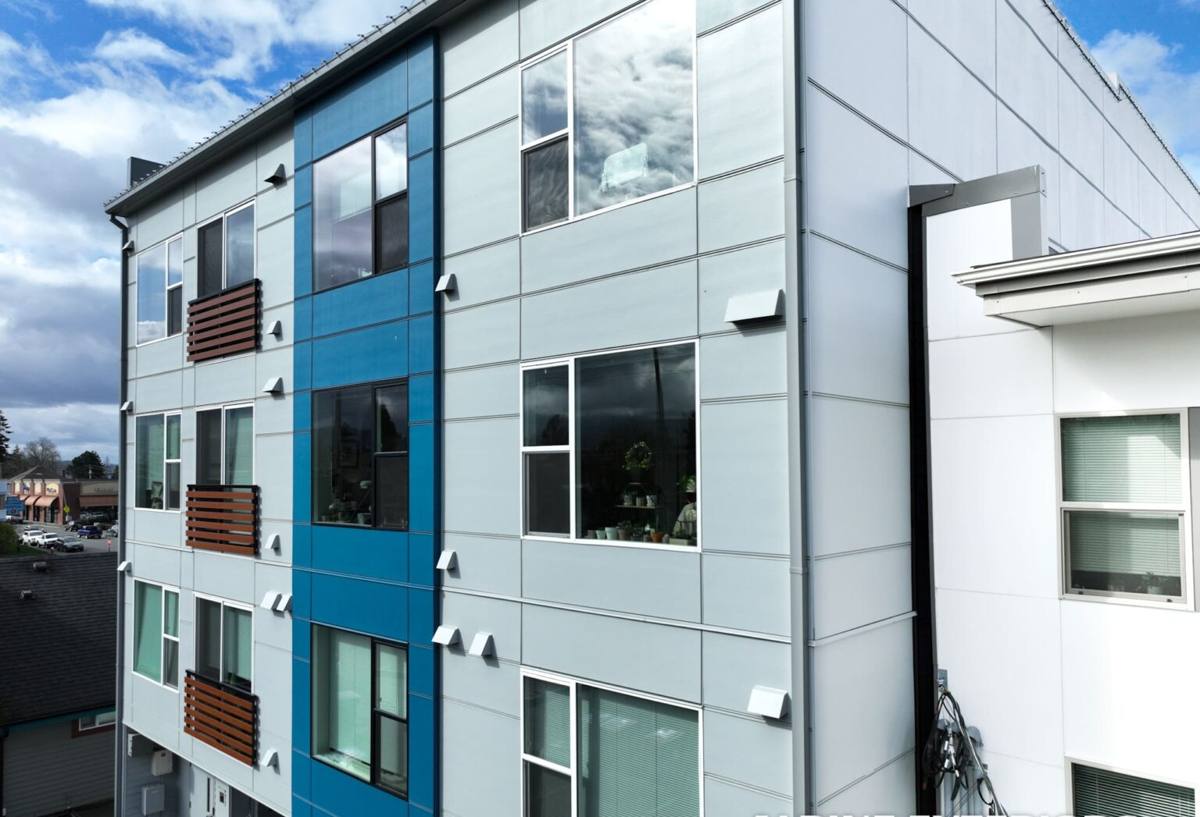
What "Correct" Looks Like for This Climate
An energy-efficient window job here isn't just picking a good window — it's matching frame material, glass package, and installation method to Longboat Key's specific mix of sun, salt, and wind.
Frame Material
Vinyl and fiberglass frames generally hold up better against salt air than uncoated or lower-grade aluminum, since they don't corrode the same way. Where aluminum is used, it needs a marine-grade finish and proper isolation from dissimilar metals to avoid galvanic corrosion, which is a real concern this close to saltwater.
Glass Package
For a west or south-facing exposure on the island, low-E coated, dual-pane (or impact-rated laminated) glass with the right solar heat gain coefficient (SHGC) makes the biggest difference in comfort and cooling load. A low SHGC blocks more of the sun's heat before it ever gets inside, which matters more here than in a shaded inland lot.
Wind and Water Rating
Depending on the specific site and its exposure category under the Florida Building Code, windows may need to meet impact or wind-load ratings, with correct anchoring and flashing details around the rough opening. This isn't optional detailing — it's the difference between a window that performs through a storm season and one that lets water into the wall.
Our Process on Longboat Key Jobs
- On-site assessment. We look at each window's exposure (Gulf-facing, bay-facing, shaded, etc.), the condition of the existing frames and openings, and any signs of water intrusion around the current units.
- Product matching. We recommend frame material and glass package by exposure, not a one-size-fits-all spec for the whole house.
- Opening prep. Salt air often means we find hidden corrosion or wood rot around older openings once the existing window is out. We address that before the new unit goes in — sealing a new window into a compromised opening just hides the problem.
- Correct flashing and sealing. This is the step that determines whether the window keeps wind-driven rain out for the next 15-20 years, not just the next dry season.
- Final check and cleanup. We confirm operation, seal quality, and site cleanup before we consider the job done.
Comparing Frame Options for Coastal Exposure
| Frame Type | Salt Air Resistance | Maintenance | Typical Fit for Longboat Key |
|---|---|---|---|
| Vinyl | Good — no corrosion, but check UV-stable formulations | Low | Solid all-around choice for most exposures |
| Fiberglass | Very good — dimensionally stable, resists corrosion | Low | Strong option for high-sun, high-salt exposures |
| Marine-grade aluminum | Fair to good, depends on finish and detailing | Moderate | Workable with proper coatings and isolation from other metals |
| Standard aluminum | Poor near open water | High | Not something we recommend directly on the island |
We're not knocking any manufacturer here — this is about how a given material actually behaves under Longboat Key's specific salt and sun exposure, and what that means for how long a window performs before hardware or finish issues show up.
What Drives Cost on an Island Job
Every quote is specific to the house, but a few factors consistently move the number on Longboat Key projects more than they would in a typical inland Bradenton neighborhood:
- Wind/impact rating requirements based on the specific site's exposure category
- Number of windows with direct Gulf or bay-facing exposure versus more sheltered sides
- Condition of existing openings — hidden rot or corrosion adds prep work
- Frame material selected (fiberglass and impact-rated glass typically cost more upfront than standard vinyl)
- Access — some island properties have tighter site access than mainland homes, which affects labor time
Broadly, homeowners should expect coastal-rated, energy-efficient window replacement to cost more per opening than a comparable inland job, mainly due to the glass and hardware specification needed to hold up out here — not because the labor itself is dramatically different.
A Practical Pre-Estimate Checklist
Before we come out, it helps to have a rough sense of the following. It speeds up the assessment and gives you a better initial conversation:
- Which rooms or sides of the house feel hottest or draftiest
- Any windows with visible fogging between the panes (a sign of failed seals)
- Any past water staining on interior walls or sills near windows
- Whether the home has had prior storm damage or window replacement, and roughly when
- Any HOA or association design guidelines that apply to exterior changes, common on parts of the island
Why Local Experience on Longboat Key Matters
A crew that only occasionally works this far out on the barrier island can miss things that are second nature to one that works Longboat Key regularly: how fast salt corrosion progresses on hardware here, which exposures actually need the higher wind rating versus which don't, and how local permitting and any HOA design review processes typically move. That familiarity shows up in fewer surprises mid-job and a final result that's actually specified for the site, not just for "coastal Florida" in general.
It also matters for follow-up. Salt air and sun exposure mean windows here benefit from periodic hardware and seal checks that most inland homes can skip. A contractor who's already worked in the area is a lot easier to have back out for that kind of check than one who was passing through.
Signs It's Time to Replace, Not Repair
Not every window on an older Longboat Key home needs full replacement. Some can be repaired — reglazed, resealed, or fitted with new weatherstripping — if the frame itself is sound. Replacement generally makes more sense when you see:
- Fogged or moisture-clouded glass between panes (a failed seal that can't be repaired, only replaced)
- Frames that are pitted, chalky, or corroded from salt exposure
- Windows that won't stay open, lock properly, or seat fully in the frame
- Noticeable drafts or a hot/cold room that tracks back to specific windows
- Any water staining or soft wood around the window opening
If you're seeing one or two of these on an otherwise solid home, a targeted repair or partial replacement may be the more sensible move — we'll tell you honestly which situation you're in rather than pushing a full-house job you don't need.
Get a Straight Answer for Your Home
Every Longboat Key property has its own mix of sun exposure, wind exposure, and window age, so a real recommendation only comes from actually looking at the house. If you'd like an honest read on what your windows need — repair, partial replacement, or a full upgrade — request a free, no-pressure estimate using the form below.