 Bradenton Window
 Metal Roofing Built for Southgate's Climate
Southgate sits close enough to Tampa Bay and the Gulf that salt air, humidity, and wind are constant factors in how a roof ages here — not occasional stressors. Homes in this part of Bradenton deal with the same combination that wears down roofs across Manatee County: intense UV exposure nearly every day of the year, sudden wind-driven downpours in summer, and the real possibility of hurricane-force gusts during storm season. A roof that isn't specified and installed correctly for this environment will show it early, usually in the form of fastener backout, seam failure, or granule loss long before it should.
Metal roofing, done right, handles this combination better than most other roofing materials available to Southgate homeowners. It's not a fad or an upsell — it's a system that, when matched to the right panel profile, fastening method, and underlayment, holds up to what this part of Florida throws at a roof year after year. This page covers what that actually looks like in practice, not just the sales pitch.
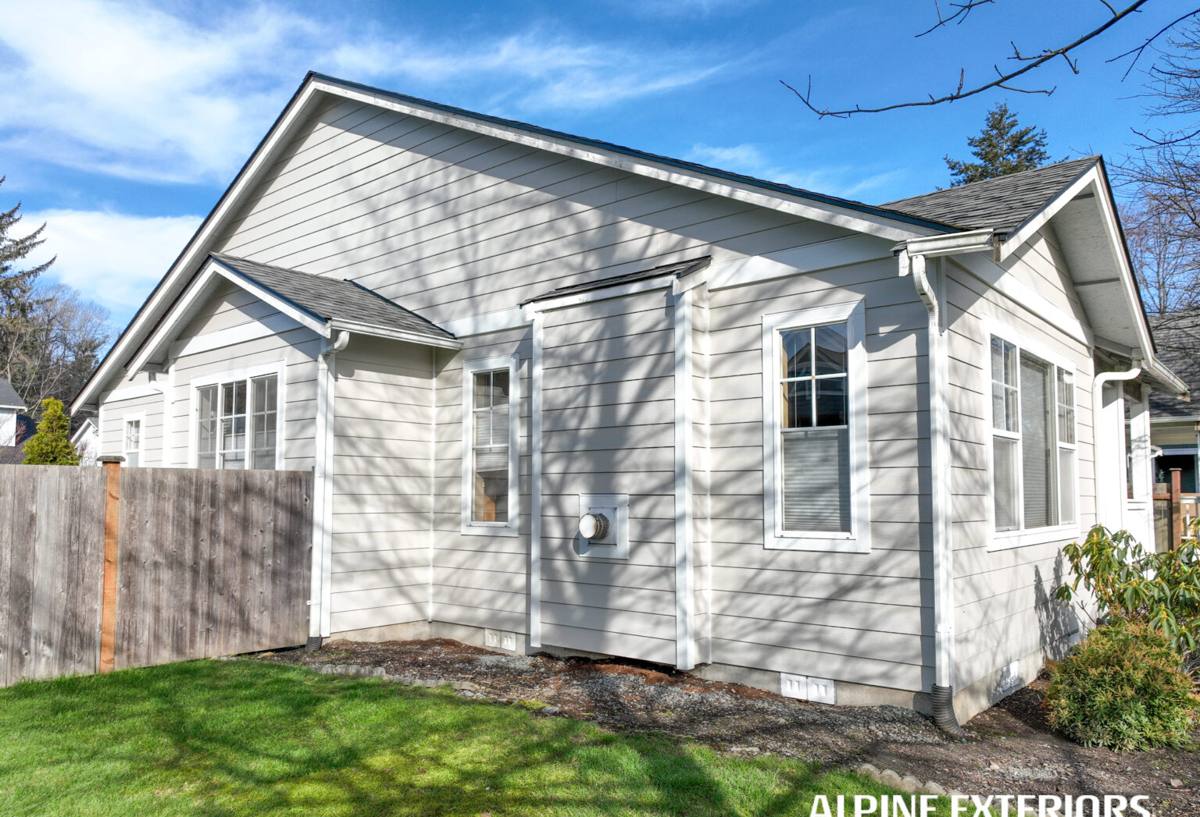
What Southgate Homes Need From a Metal Roof
Wind Resistance That Matches the Rating on Paper
Florida's building code sets wind uplift requirements based on your specific location, and Bradenton's coastal exposure category typically pushes those requirements higher than what you'd see further inland. A metal roof's wind performance isn't just about the panel — it's about the fastening pattern, the clip spacing (on standing seam systems), and how the panel is secured at the perimeter and ridge, where uplift forces concentrate hardest. A metal roof installed with the wrong fastener spacing can still fail in a strong storm even though the panel itself is rated for much higher winds.
Salt Air and Corrosion Resistance
Southgate isn't beachfront, but it's close enough to the Gulf and Tampa Bay that airborne salt reaches homes here, especially on days with onshore wind. Salt exposure accelerates corrosion at fastener heads, cut edges, and dissimilar-metal contact points faster than most homeowners expect. The panel coating, the fastener metallurgy, and how cut edges are treated during installation all affect how long a roof actually holds up against this, regardless of what the base metal is rated for.
UV and Heat Cycling
Florida sun is hard on any roofing material, but the day-in, day-out UV and thermal cycling here causes real expansion and contraction in metal panels. A system that doesn't account for that movement — through proper panel length, clip design, and fastening approach — will eventually show it as oil-canning, loosened fasteners, or stress at the seams.
What a Correct Metal Roof Installation Involves
A metal roof is only as good as the system underneath it. The visible panel is the last piece installed, not the first thing that determines performance. A correct job in this climate typically includes:
- A full tear-off and deck inspection — metal roofing should never go over failing or rotted decking, and any soft spots get replaced before anything else happens
- A high-temperature, self-adhered underlayment suited for Florida heat, not a standard felt that can degrade under a metal roof's higher surface temperatures
- Correct panel profile selection — standing seam versus exposed-fastener panels behave differently under wind load and thermal movement, and the right choice depends on roof pitch, budget, and how the home is exposed to prevailing wind
- Fastener spacing and clip patterns matched to Manatee County's wind uplift requirements, not a generic national spec
- Proper flashing at every penetration, valley, and transition — this is where the overwhelming majority of metal roof leaks actually originate, not the field panels themselves
- Ridge and hip closures sealed against wind-driven rain, which in this area can come in nearly horizontal during a strong summer storm
Skipping or shortcutting any one of these steps is how a metal roof that should last decades ends up with problems inside of a few years — and it's usually not visible from the ground, which is why hiring right up front matters more than it seems to at the time.
Standing Seam vs. Exposed-Fastener Panels
Both systems have a place, and the right one depends on the roof and the homeowner's priorities. Here's how they generally compare for a Southgate home:
| Factor | Standing Seam | Exposed-Fastener |
|---|---|---|
| Fasteners | Concealed under the seam, not exposed to weather | Visible screws through the panel face, exposed to sun and rain |
| Wind performance | Generally higher uplift resistance due to clip attachment | Performs well but is more dependent on fastener maintenance |
| Maintenance | Very low — no exposed fasteners to re-seat or reseal | Fasteners can loosen or their washers degrade over time and need periodic checking |
| Upfront cost | Higher | Lower |
| Best fit | Homes prioritizing longest service life and lowest maintenance | Budget-conscious projects, secondary structures, some pitched roofs |
For most primary residences in this area, we lean toward recommending standing seam because the concealed fastener design removes the single most common long-term maintenance issue with metal roofing — fasteners that loosen or their seals that degrade under sun and heat cycling. Exposed-fastener panels are a legitimate, more affordable option and can be the right call depending on the structure and the homeowner's budget; we'll walk through the honest trade-offs for your specific roof rather than push one system across the board.
Our Process for Southgate Roofing Projects
1. On-Site Inspection and Assessment
We look at the existing roof, deck condition, roof pitch, and how the home is exposed to wind and sun before recommending anything. No two homes in Southgate are set up the same way, and the right system depends on those specifics.
2. Straightforward Proposal
You get a clear breakdown of the system being proposed — panel type, underlayment, fastening approach, and flashing details — along with a realistic cost range and timeline. No vague line items.
3. Permitting and Code Compliance
Manatee County requires permits for roofing work, and wind uplift and fastening specs need to meet current Florida Building Code requirements for this area. We handle that paperwork and inspection scheduling as part of the job.
4. Installation
Tear-off, deck repair as needed, underlayment, panel installation, and flashing detail work — done in the sequence that actually protects the home, not the fastest sequence.
5. Final Walkthrough
We walk the finished roof with you, cover what maintenance (if any) the system needs, and make sure everything matches what was proposed.
Why It Matters That We Already Work in Southgate
A crew that regularly works Southgate and the surrounding Bradenton area already knows the local wind exposure category, the typical inspection process with Manatee County, and how homes in this neighborhood are generally built — roof pitches, common decking conditions, and the kind of coastal weathering to expect. That's not a small thing on a metal roof, where the difference between a system that performs for decades and one that fails early often comes down to details a crew only gets right through repetition in this specific climate, not from a generic national playbook. It also means when storm season approaches, you're not trying to reach an out-of-area contractor who doesn't know your roof or your neighborhood.
Signs Your Current Roof May Need Attention
If you're not sure whether a full metal roof replacement is even the right conversation yet, a few signs worth a professional look include:
- Visible rust streaking or corrosion around fasteners or flashing on an existing metal roof
- Loose, lifted, or missing shingles after a windstorm on a shingle roof you're considering replacing with metal
- Soft spots, sagging, or visible deck movement when walked on
- Water stains on interior ceilings, especially near valleys, chimneys, or vent penetrations
- A roof approaching or past its expected service life, especially if it's never been inspected after a major storm
Any one of these is worth a look before it becomes a larger repair — catching deck or flashing issues early is almost always cheaper than waiting for a leak to show up inside the home.
What Metal Roofing Costs Depend On
Pricing on a metal roof varies by home, and we won't quote a number without seeing the actual roof, but the main cost drivers on a Southgate project are generally:
| Factor | Why It Affects Cost |
|---|---|
| Panel system | Standing seam costs more upfront than exposed-fastener panels |
| Roof size and complexity | More valleys, penetrations, and pitch changes mean more flashing labor |
| Deck condition | Rotted or damaged decking found during tear-off adds repair cost |
| Tear-off scope | Removing existing roofing material (shingles, old metal) adds labor versus a bare deck |
| Metal gauge and coating | Heavier gauge and higher-grade coatings cost more but generally last longer in coastal conditions |
We'll break all of this down specifically for your roof during the on-site assessment rather than giving a broad estimate that doesn't reflect your actual home.
Get a Free Estimate for Your Southgate Home
If you're weighing a metal roof for your Southgate home — whether you're replacing storm-damaged roofing, planning ahead of hurricane season, or just tired of shingle maintenance — we're happy to come take a look and give you a straightforward assessment with no pressure to sign anything on the spot. Use the form below to request a free estimate.