 Bradenton Window
 Metal Roofing Built for Mill Creek's Climate
Mill Creek sits inland enough to feel like a quiet residential pocket of the Bradenton area, but it's still squarely inside Manatee County's coastal weather pattern. That means the same forces that batter homes closer to the water reach Mill Creek roofs too: tropical-strength wind gusts during storm season, near-constant UV exposure that ages roofing materials faster than in most of the country, wind-driven rain that finds every weak seam, and salt-laden air that drifts inland further than most homeowners realize. A roof that isn't specified and installed with this climate in mind will show it within a few years, not a few decades.
Metal roofing, done correctly, is one of the better answers to that climate. But "metal roofing" covers a wide range of products and installation quality, and not every metal roof performs the same way once a real storm rolls through. This page is about what a Mill Creek metal roof actually needs, what a correct installation looks like, and how we approach the job for homes in this part of Bradenton.
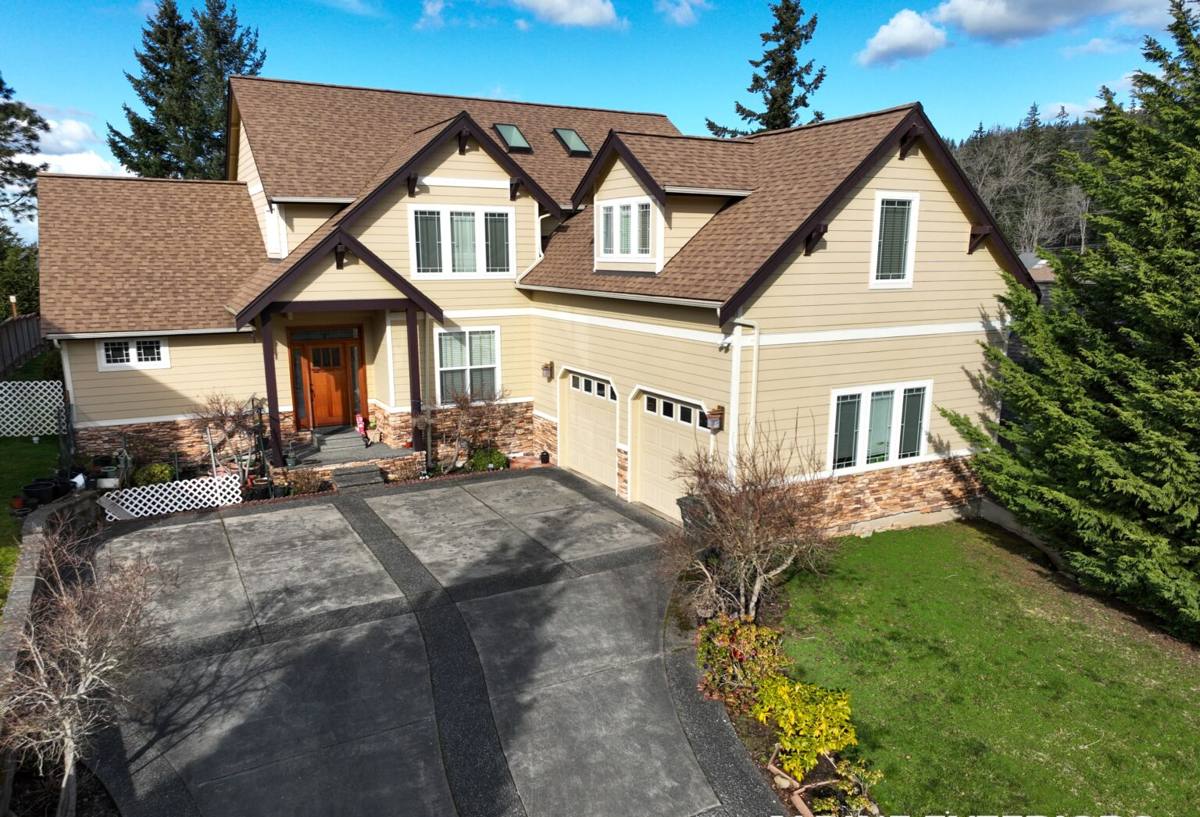
What Mill Creek Homes Are Actually Up Against
Wind
Manatee County sits in a high-wind zone under Florida's building code, and homes in the Bradenton area need roofing systems rated to hold up under sustained hurricane-force gusts, not just everyday storms. The failure point in a wind event is almost never the metal panel itself — it's the fasteners, the edge detailing, and the underlayment beneath it. A roof that looks identical to a neighbor's from the street can perform very differently in a storm depending on how it was actually attached underneath.
UV and Heat
Florida sun is harder on roofing than most manufacturers' warranties assume, and that's especially true for anything with an exposed painted or coated finish. UV breaks down sealants, fades coatings unevenly, and accelerates thermal expansion cycling in panels that aren't allowed to move the way they're designed to. Over years, that cycling is what loosens fasteners and stresses seams.
Wind-Driven Rain
A normal roof only has to shed water that falls straight down. During Manatee County's tropical storm and hurricane season, rain regularly comes in sideways, which means water gets pushed up and under panel laps, around penetrations, and along ridge and valley details that weren't built to resist pressure-driven moisture. This is where underlayment quality and flashing technique matter as much as the panel itself.
Salt Air
Even away from the immediate coastline, salt-laden air moves inland across the county, and it accelerates corrosion on fasteners, cut edges, and any exposed steel that isn't properly coated or protected. It's a slower threat than wind or rain, but it's a constant one, and it's often the reason an otherwise sound-looking metal roof starts showing rust streaks or fastener corrosion years before it should.
What a Correct Metal Roofing Job Involves
A metal roof is only as good as the system underneath it. When we say "correct installation," we mean specific, checkable things — not marketing language.
- A high-temperature, self-adhering or synthetic underlayment rated for this climate, not a bargain felt product
- Fastener type, spacing, and penetration depth matched to the panel manufacturer's wind-rated specifications, not a generic pattern
- Proper decking inspection and repair before anything goes down — metal hides deck problems, it doesn't fix them
- Closed or properly sealed ridge and hip details that block wind-driven rain without trapping moisture
- Flashing at every penetration, valley, and wall transition, custom-fit rather than pieced together from stock trim
- Ventilation that lets the roof assembly breathe, so heat and moisture don't build up under the panels
- Edge and eave detailing built to resist wind uplift, which is where most storm failures actually start
Skip any one of these and you can still end up with a roof that looks like a quality metal roof from the driveway — right up until the first real storm tests it.
Panel Types We Install and How They Compare
Not every metal roofing product is the right fit for every Mill Creek home. The table below covers the main options homeowners in this area typically consider.
| Panel Type | Typical Look | Wind/Storm Performance | Best Fit |
|---|---|---|---|
| Standing seam | Clean vertical lines, concealed fasteners | Strongest option; fasteners hidden and protected from direct exposure | Homes wanting maximum durability and a modern or coastal look |
| Metal shingles/tiles | Mimics shingle or tile profiles | Good performance when installed with correct fastening; more seams than standing seam | Homeowners wanting a traditional look with metal's durability |
| Exposed-fastener panels | Ribbed, agricultural/industrial look | More budget-friendly but fasteners are exposed to UV and salt air and need long-term monitoring | Secondary structures, budget-driven projects, or where lower upfront cost matters most |
For most primary residences in Mill Creek, we lean toward standing seam or a quality metal shingle system, simply because the concealed or better-protected fastening holds up longer against this county's wind and salt exposure. Exposed-fastener panels aren't a bad product — they're just a different trade-off, and we'll say so honestly if that's what fits your budget and structure.
How We Approach a Mill Creek Metal Roofing Project
1. Inspection and Honest Estimate
We start by getting on the roof, not just looking at it from the ground. We check the deck condition, existing ventilation, flashing points, and any storm damage history before recommending a system or giving a number. If a repair is a more honest answer than a full replacement, we'll say that.
2. Tear-Off and Deck Prep
Old roofing comes off completely so we can inspect and repair the deck underneath. This is the step that gets skipped when a job is rushed, and it's the step that determines whether the new roof actually performs.
3. Underlayment and Flashing
We install underlayment rated for Florida's heat and moisture conditions, then custom-fit flashing at every valley, penetration, and wall transition — no reused or generic trim pieces.
4. Panel Installation
Panels go down with fastener spacing and type matched to the manufacturer's wind-rated specifications for Manatee County's wind zone, with attention to how each panel expands and contracts with temperature swings.
5. Final Inspection and Walkthrough
We walk the finished roof, check every seam and penetration, and go over what maintenance (if any) the system needs going forward before we consider the job done.
Maintenance a Metal Roof Actually Needs in This Climate
One of metal roofing's real advantages is how little maintenance it needs compared to shingles — but "little" isn't "none," especially with salt air in the mix.
- Rinse off accumulated salt, pollen, and debris periodically, especially after dry stretches
- Check sealant at penetrations and flashing points annually, since sealant is the first thing UV degrades
- Look at exposed fasteners (if your system has them) for early rust or loosening
- Clear debris from valleys and around any roof penetrations so water isn't dammed during heavy rain
- After any major wind event, do a visual check for lifted panels, loose trim, or new dents
Why the Installing Crew Matters More Than the Brand
Homeowners often research metal roofing by comparing panel brands and coatings, which is reasonable — but in our experience, the bigger variable in how a roof performs over 20-plus years in this climate is who installed it and how carefully. Two roofs with the same panel from the same manufacturer can age completely differently depending on fastener technique, flashing quality, and whether the crew actually understood Manatee County's wind-load requirements or just installed the roof the way they'd install one anywhere else.
A crew that regularly works in and around Bradenton neighborhoods like Mill Creek has already seen how local wind exposure, sun angle, and salt drift affect roofs here specifically. That's not a substitute for a quality product, but it's what turns a quality product into a roof that actually holds up.
Permits, Codes, and Wind Mitigation
Metal roof replacements in Manatee County require a permit, and the work needs to meet Florida's current wind-load building code for this region. A correctly documented, permitted metal roof installation can also qualify homeowners for a wind mitigation inspection discount on their insurance — something worth asking your insurer about once the roof is complete. We handle the permitting process as part of the job so it isn't left for the homeowner to sort out.
Get a Straightforward Estimate
If you're weighing a metal roof for a Mill Creek home, we're glad to come take a look, answer questions honestly, and give you a clear picture of what your roof actually needs — no pressure, no upsell. Use the form below to request a free estimate.