 Bradenton Window
 Roof Replacement in Mill Creek, Bradenton
Mill Creek is one of the more established residential communities on the east side of Bradenton, and a lot of the roofs here are getting to the age where "another patch" stops making sense. If your roof is nearing 20 years old, has visible granule loss, curling shingles, or a repair history that's starting to add up, a full replacement is usually the more honest answer than another round of spot fixes. This page walks through what a roof replacement actually involves for a Mill Creek home, what our process looks like, and why it matters to work with a crew that already knows this neighborhood and Manatee County's permitting and inspection requirements.
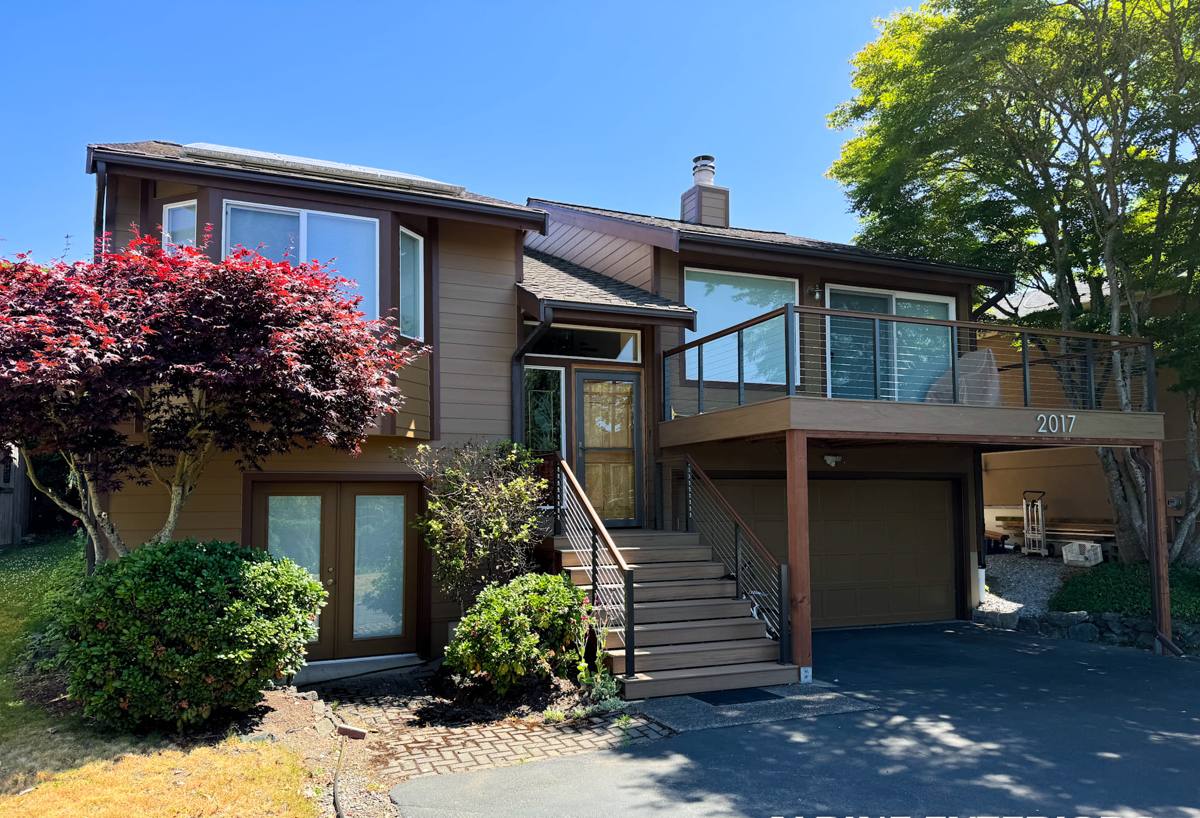
Why Mill Creek Roofs Wear Differently
A roof in Mill Creek isn't working under the same conditions as one three states north, and it's not just marketing language to say so — the wear patterns are genuinely different here.
Hurricane-Force Wind Exposure
Bradenton sits in an active hurricane corridor, and even in years without a direct hit, tropical storm bands and seasonal squalls put uplift stress on shingles and tile edges. Fasteners loosen, nail heads back out, and ridge caps take the brunt of it. A roof that was installed to minimum code a couple decades ago is often working with older wind-resistance standards than what's required today.
Intense, Year-Round UV
Florida's sun doesn't take an off-season. UV exposure breaks down the asphalt oils in shingles and the protective granule layer over time, which is why roofs here tend to show accelerated aging compared to the same product installed further north. Brittle, cracked, or curling shingles in Mill Creek are frequently a UV story as much as an age story.
Wind-Driven Rain
It's not just how much rain falls — it's the angle it comes in at during a squall or tropical system. Wind-driven rain gets pushed up and under shingle edges, into valleys, and around flashing points that would stay dry in a straight-down rainstorm. This is where a lot of hidden leaks start, usually well before a homeowner sees a stain on the ceiling.
Salt Air
Mill Creek isn't beachfront, but Bradenton's proximity to Tampa Bay and the Gulf means salt-laden air still reaches inland neighborhoods, especially on onshore wind days. Salt exposure accelerates corrosion on exposed metal fasteners, flashing, and vents — components that are easy to overlook but critical to how long a roof system actually lasts.
Signs a Mill Creek Home Needs Replacement, Not Repair
Repair makes sense for isolated damage. Replacement makes sense when the roof system as a whole is compromised. Here's how we tell the difference on an inspection.
- Shingles are curling, cupping, or losing granules across large areas rather than one spot
- The roof is 18-20+ years old (typical asphalt shingle lifespan in this climate, even with good maintenance)
- You've had two or more leak repairs in the last few years in different locations
- Decking feels soft or spongy underfoot when walked (a sign of moisture intrusion beneath the surface)
- Visible daylight through the attic decking, or daylight-related staining on rafters
- Flashing around chimneys, skylights, or vent pipes is rusted, lifted, or missing sealant
- Your insurance carrier is flagging the roof's age during a renewal or four-point inspection
What a Correct Roof Replacement Involves
A roof replacement is more than stripping old shingles and nailing down new ones. Done right, it's a full system rebuild, and skipping steps is exactly how a "new" roof ends up leaking within a few years.
Full Tear-Off
We remove the existing roofing material down to the decking rather than layering over it. Layering hides problems and voids most manufacturer warranties — it's not a shortcut we take.
Decking Inspection and Repair
Once the old material is off, we inspect the plywood or OSB decking underneath for rot, delamination, or soft spots, especially around valleys and penetrations where past leaks may have gone unnoticed. Any compromised decking gets replaced before anything new goes down.
Underlayment
This is the roof's real waterproofing layer, and in a wind-driven rain climate like ours it matters as much as the shingles themselves. We use underlayment suited to Florida's exposure conditions, with proper overlap and sealing at seams.
Flashing and Penetration Details
Chimneys, skylights, vent stacks, and wall-to-roof transitions are where most leaks actually originate — not the open field of shingles. New flashing, properly integrated with the underlayment and shingle courses, is non-negotiable on every replacement we do.
Ventilation
Attic ventilation affects both how long shingles last and how hard your air conditioning has to work in Florida heat. We check intake and exhaust balance as part of the replacement rather than assuming the existing setup was adequate.
Fastening to Current Wind Standards
Nailing patterns and fastener specs are installed to current Florida Building Code wind requirements for this region, not whatever standard applied when the home was originally built.
Material Options and Cost Factors
There's no single "best" roofing material — it depends on your budget, the home's structure, and how long you want to go before doing this again. Here's an honest comparison of what's commonly used on homes like the ones in Mill Creek.
| Material | Typical Lifespan Here | Wind/Storm Performance | Maintenance |
|---|---|---|---|
| Architectural (dimensional) asphalt shingles | 18-25 years | Good, when installed with proper fastening and underlayment | Low to moderate |
| 3-tab asphalt shingles | 15-18 years | Lower wind resistance than architectural shingles | Low to moderate |
| Concrete or clay tile | 30-50 years | Very good if tiles are properly fastened; individual tiles can crack from impact | Occasional tile replacement |
| Standing seam metal | 30-50 years | Excellent wind uplift resistance | Low |
Cost differences between these options come down to material price, structural requirements (tile is heavier and not every roof structure is rated for it without evaluation), and labor complexity. We'll walk through what's realistic for your specific home rather than pushing one product across the board.
How Our Process Works
- On-site inspection. We walk the roof and attic, document existing conditions, and photograph anything relevant to your insurance file.
- Written estimate. Material options, scope of work, and pricing laid out clearly — no vague allowances.
- Permitting. Roof replacements in Manatee County require a permit and inspection. We handle the application and coordinate the required inspections so you're not chasing paperwork.
- Tear-off and decking check. Old material comes off, decking gets inspected and repaired as needed.
- Underlayment, flashing, and installation. Installed to current code and manufacturer specification.
- Cleanup and magnetic sweep. Job site and yard cleared of debris and stray fasteners.
- Final inspection and documentation. Including paperwork you can use for a wind mitigation inspection and insurance purposes.
Why a Crew That Already Works Mill Creek Matters
Roofing code and permitting requirements in Manatee County aren't identical to neighboring counties, and inspectors have expectations about documentation and workmanship that an out-of-town or unfamiliar crew can trip over — leading to delays or failed inspections. A contractor who regularly works in Bradenton neighborhoods like Mill Creek already knows the local permitting process, has a working relationship with the inspection office, and understands the housing stock common to this part of the county. That familiarity translates into fewer surprises, fewer delays, and a job that passes inspection the first time.
There's also a practical service argument: if a question comes up two years after installation, or a storm causes damage elsewhere on the property, a local company is easy to reach and has your job history on file. That's harder to count on with a company that only shows up in the area for a single project.
Before You Hire: A Practical Checklist
- Confirm the contractor is licensed to work in Florida and carries current liability and workers' comp insurance
- Ask whether the estimate includes full tear-off, decking inspection, and code-compliant fastening — not just "reroof"
- Get the manufacturer and product line specified in writing, not just "architectural shingle"
- Confirm who pulls the permit and handles the required inspections
- Ask what documentation you'll receive for insurance and wind mitigation purposes
- Get the workmanship warranty terms in writing, separate from the manufacturer's material warranty
Ready to Have Your Roof Looked At?
If your Mill Creek roof is showing its age or you just want an honest opinion on where it stands, we're happy to take a look. Use the form below to request a free, no-pressure estimate — we'll walk the roof, tell you what we actually see, and give you real numbers to work with.