 Bradenton Window
 Roof Replacement in Palmetto: Why the Local Climate Changes the Job
Palmetto sits right on the Manatee River, close enough to the Gulf that every roof in the area lives with the same conditions: hurricane-force wind gusts during storm season, intense UV exposure nearly every day of the year, wind-driven rain that finds any gap in flashing or underlayment, and salt-laden air that speeds up corrosion on fasteners and metal components. None of that is unique to any one street in Palmetto — it's the reality for homes across this part of Manatee County, from older neighborhoods near the river to newer construction further inland. A roof replacement done here has to account for all four of these stressors at once, not just one or two.
That means the right roof for a Palmetto home isn't necessarily the same roof that works fine in a drier, calmer climate. Material choice, fastening patterns, underlayment type, and ventilation all need to be selected with wind uplift and sun degradation in mind, not just curb appeal.
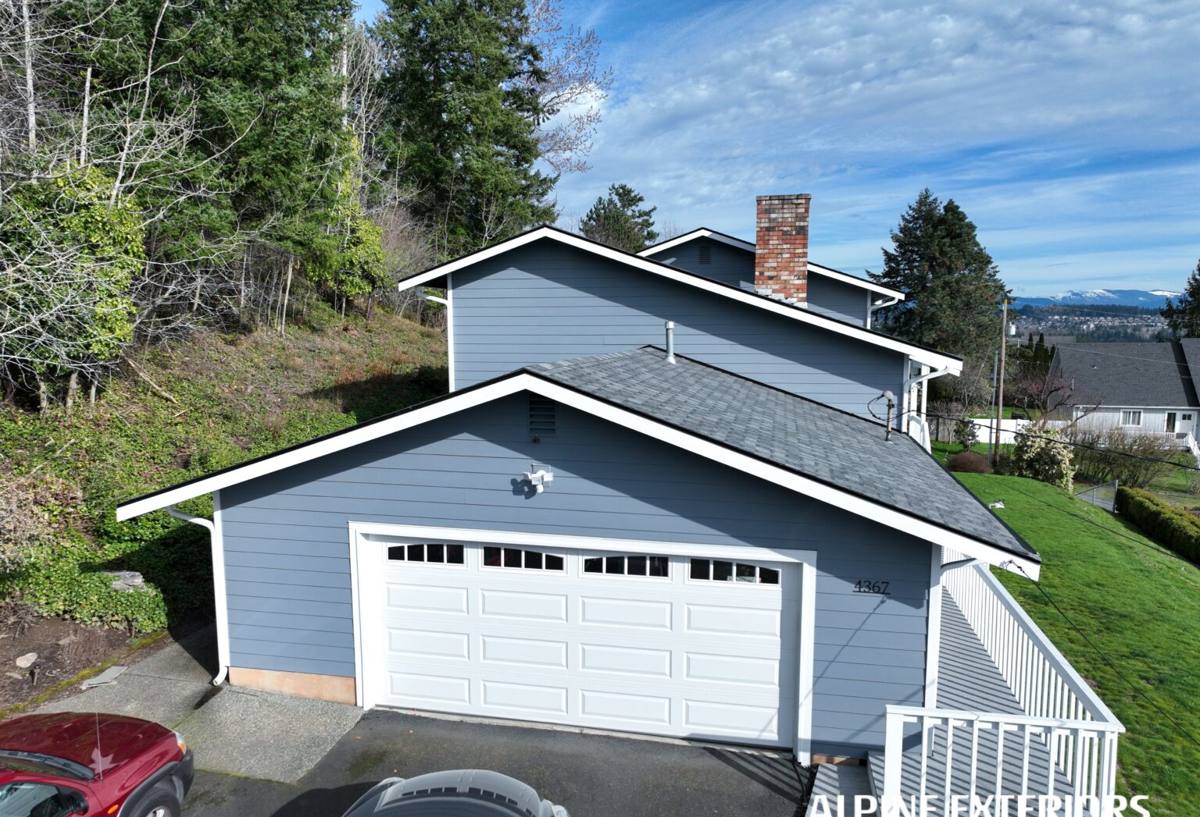
Signs a Palmetto Roof Needs Replacement, Not Another Repair
Roofs in this climate age differently than roofs inland. UV breaks down asphalt oils faster, salt air accelerates rust on nails and flashing, and repeated tropical storm activity stresses seams and fastener lines even when there's no visible leak yet. Some signs that a repair is no longer the right call:
- Shingles that are cupping, curling, or losing granules across large sections of the roof, not just one spot
- Soft spots in the decking when walked on, which usually means moisture has already gotten underneath
- Multiple past repairs in different areas within a short span of a few years
- Visible rust streaking at fasteners, flashing, or metal roof panels
- A roof approaching or past the manufacturer's expected service life for its material and this climate
- Interior staining on ceilings or in the attic that keeps returning after patch repairs
When a roof is failing in more than one of these ways at once, patching becomes a temporary fix on a system that's already compromised. A full replacement resets the clock with materials and installation methods matched to what Palmetto actually throws at a roof.
Why Age Matters More Here Than the Calendar Suggests
A roof's rated lifespan assumes average conditions. Coastal Manatee County isn't average — the combination of sun and salt air shortens the practical service life of most roofing materials compared to the manufacturer's lab-tested number. We factor that in when we tell a homeowner whether repair or replacement makes more sense, rather than going strictly by age on paper.
What a Correct Roof Replacement Involves
A roof replacement is more than swapping old shingles or panels for new ones. Done correctly for this area, it includes:
- Full tear-off down to the decking, so we can inspect and repair any rotted or weakened plywood before anything new goes down
- Underlayment rated for wind-driven rain, installed with proper overlap so wind-blown water can't work its way underneath during a storm
- Flashing at every penetration and transition — chimneys, vent stacks, wall intersections, valleys — since this is where the majority of roof leaks actually start
- Fastening patterns that meet local wind-uplift requirements, not just the minimum nailing schedule printed on the shingle bundle
- Attic ventilation that's actually balanced, so heat and moisture can escape instead of cooking the underside of the new roof from within
- Corrosion-resistant fasteners and flashing metals suited to salt air, rather than standard hardware that will rust prematurely this close to the coast
Skipping any one of these doesn't always show up right away. It shows up two or three years later as a leak, a soft spot, or shingles lifting in the next round of storm winds — at which point it's a warranty argument instead of a simple fix.
Roofing Material Options for Palmetto Homes
There's no single "best" roofing material for every house — it depends on the home's structure, budget, and how long the owner plans to stay in it. Here's an honest comparison of the main options we install and repair in this area:
| Material | Wind Performance | Sun/UV Durability | Maintenance |
|---|---|---|---|
| Architectural asphalt shingle | Good, when installed with correct nailing pattern and rated underlayment | Moderate — quality and color affect how fast granules break down | Low; periodic inspection recommended |
| Standing seam metal | Excellent uplift resistance when properly fastened | Very good; reflects heat and doesn't granule-degrade | Low; watch fastener condition near coast |
| Concrete or clay tile | Very good when tiles are properly attached and battened | Excellent; tile itself doesn't degrade from UV | Moderate; underlayment beneath tile is the real wear item |
We're straightforward about trade-offs rather than pushing one product for every roof. Tile, for example, holds up beautifully to sun and looks right on a lot of Florida homes, but the underlayment beneath it does the real waterproofing work and has its own service life — replacing tile roofs eventually means addressing that underlayment, not just the tiles. Metal has real wind advantages but needs correct fastener selection to avoid galvanic corrosion this close to salt air. We'll talk through what fits your home and budget rather than defaulting to whatever's easiest to install.
Our Roof Replacement Process
- On-site inspection — we walk the roof and attic, not just look from the ground, to understand the decking condition and existing ventilation
- Written estimate — clear scope, material options, and pricing before any work starts
- Permitting — pulled through Manatee County or the applicable local jurisdiction before tear-off begins
- Tear-off and decking inspection — old material removed, decking checked board by board, any rot or damage repaired
- Underlayment and flashing installation — the waterproofing layer that does the real work in wind-driven rain
- New roofing material installed — to manufacturer specification and local wind-uplift code, not a shortcut version of it
- Final inspection and cleanup — job site cleared of debris and nails, final walkthrough with the homeowner
We don't skip steps to shave a day off the schedule, and we don't ask homeowners to just trust that it was done right — we're glad to walk through what's underneath before it gets covered up.
Permits, Wind Ratings, and Insurance
Roof replacements in Manatee County require a permit, and inspections check that the work meets current wind-uplift and fastening requirements for this region — not the standards from whenever the old roof was installed. This matters for two practical reasons beyond code compliance:
First, insurance carriers in coastal Florida increasingly ask for documentation of the roof's age, material, and installation compliance when writing or renewing a policy. A properly permitted, correctly documented replacement gives homeowners paperwork they may need later. Second, many carriers offer wind mitigation credits for roofs that meet certain installation and material standards — credits that can meaningfully affect a homeowner's premium. We can't promise a specific discount since that's between the homeowner and their insurer, but we build to the standard that makes those credits possible and can provide the documentation an insurance inspector typically asks for.
Why It Matters That We Already Work in Palmetto
A crew that's replaced roofs across Palmetto and the surrounding Bradenton area already knows which details matter most here: how to sequence a tear-off around Florida's afternoon storm pattern so a roof isn't left exposed overnight, which fastener and flashing materials actually hold up against salt air instead of just looking fine for the first year, and what Manatee County's inspectors are checking for line by line. That local familiarity shows up in fewer surprises during the job and a roof that's built for what it will actually face, not a generic install done the same way regardless of climate.
It also means we're not disappearing after the final invoice. We live and work in this area, which is a straightforward reason to stand behind the work — we'll be around if a question comes up next hurricane season.
After the Replacement: Keeping It Performing
A new roof still benefits from basic upkeep in this climate. A few habits that extend its service life:
- Have gutters and downspouts cleared regularly so water isn't backing up under the roof edge
- Trim back overhanging branches that drop debris or scrape roofing material in wind
- Schedule a visual inspection after any major storm, even if nothing looks obviously wrong
- Watch for granule buildup in gutters (asphalt shingle roofs) as an early wear indicator
- Keep attic ventilation paths clear of stored items or insulation that blocks airflow
None of this is expensive or time-consuming, but it's the difference between a roof that reaches its full expected lifespan in this climate and one that needs premature attention.
Get a Straight Answer About Your Palmetto Roof
If your roof is showing its age, took a hit in the last storm, or you're just trying to plan ahead before it becomes an emergency, we're happy to take a look and give you an honest assessment — no pressure, no inflated urgency. Use the form below to request a free estimate, and we'll walk you through what we see and what your real options are.