 Bradenton Window
 Siding Installation Built for Palmetto's Climate
Palmetto sits along the Manatee River just north of Bradenton, close enough to Tampa Bay and the Gulf that homes here take on a real mix of exterior stress: hurricane-force wind events, near year-round intense UV exposure, wind-driven rain, and salt air moving in off the water. Any one of those on its own will wear down a low-grade siding product over a couple of decades. Together, they're the reason we don't treat siding installation in Palmetto as an off-the-shelf job — the product, the fastening pattern, and the flashing detail all have to be chosen with this specific combination of stressors in mind.
We install one siding system on every home we work on: James Hardie fiber cement. That's not a marketing preference — it's a standard we've settled on after weighing what actually holds up against Gulf Coast conditions versus what looks fine in a showroom. This page walks through what Palmetto homes specifically need from a siding installation, what a correct job looks like, and how our process works from first estimate to final walk-through.
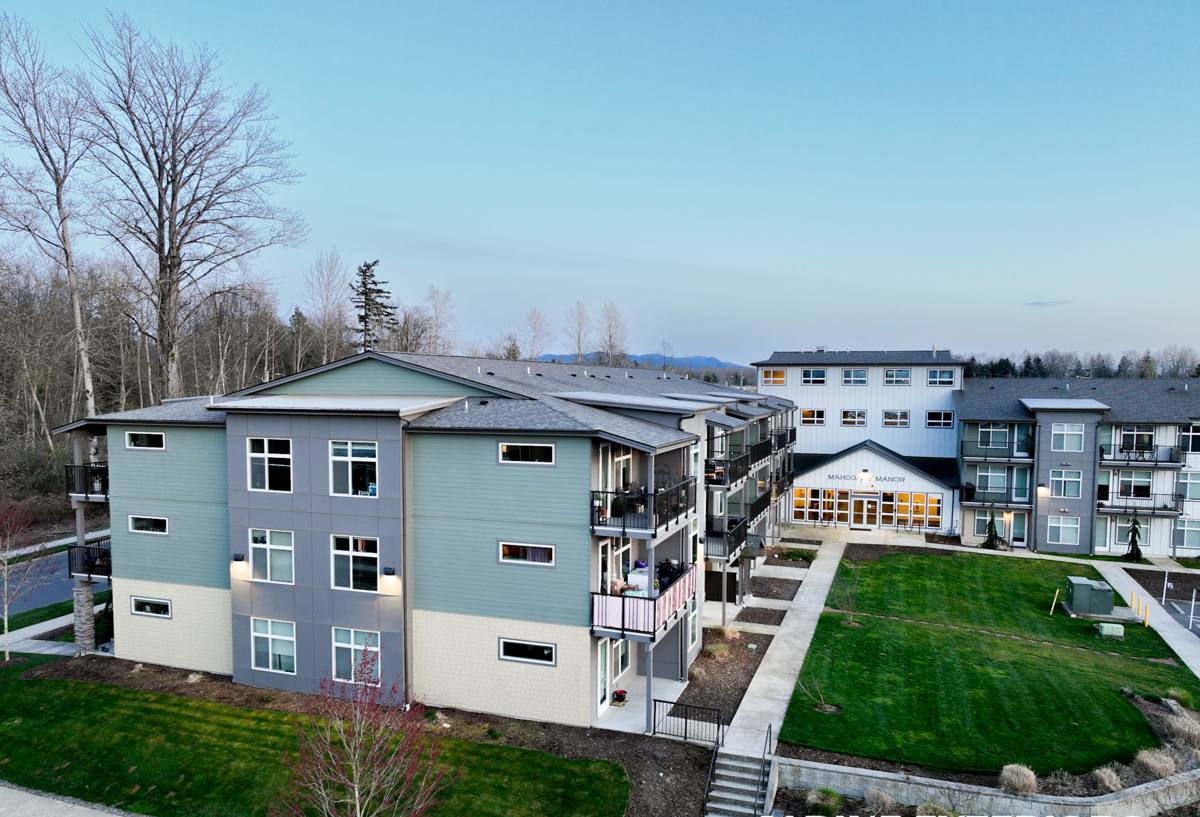
What Manatee County's Climate Actually Does to Siding
Hurricane and Tropical Storm Wind Load
Manatee County sits in a hurricane-exposed stretch of Florida's Gulf Coast, and Palmetto homes need siding rated and fastened to hold up under sustained high wind and wind-driven debris impact, not just installed to look tight on a calm day. Wind doesn't just push on siding directly — it also finds every unsealed seam and loose panel edge and works them open a little more with each storm season. Fastening schedule and panel engagement matter as much as the product rating printed on the box.
Year-Round UV Exposure
Florida's sun angle and day length mean siding here spends more hours under direct, intense UV than siding in most of the country, most months of the year. UV breaks down pigments and surface coatings over time, which is why paint-grade and lower-quality painted siding products fade, chalk, and need repainting far sooner in this climate than manufacturers' national averages would suggest.
Wind-Driven Rain
Gulf storms don't drop rain straight down — they push it sideways into wall assemblies, sometimes at significant velocity during tropical systems. That matters because wind-driven rain finds its way behind panels and through seams that would stay dry in a gentler climate. The house wrap, flashing, and panel-to-panel overlap underneath the visible siding are what actually stop that water, and they only work if installed correctly the first time.
Salt Air and Corrosion
Palmetto's proximity to the Manatee River and Tampa Bay means salt-laden air reaches homes here even without direct waterfront exposure. Salt air accelerates corrosion on fasteners, trim, and hardware, and it degrades lower-grade finishes faster than a dry inland climate would. Fastener material and coating quality are a bigger factor in long-term siding performance here than they'd be in most of the country.
Why We Only Install James Hardie Fiber Cement
We get asked fairly often why we don't offer vinyl, LP SmartSide, or other fiber cement brands as lower-cost alternatives. The honest answer is that we looked at what each product actually does over a 15-to-30-year span in a climate like this one, and we'd rather install one system correctly than offer homeowners a menu of options we don't fully stand behind.
- Non-combustible: Fiber cement doesn't burn, melt, or warp from heat exposure the way vinyl siding can, which matters for both wildfire-adjacent risk and everyday heat exposure against dark-colored siding in direct Florida sun.
- ColorPlus factory finish: Hardie's baked-on factory finish resists UV fade and chalking far better than field-applied paint, which is a real advantage given how much direct sun Palmetto siding takes on.
- Climate-engineered HZ product lines: Hardie manufactures its HZ5 line specifically for high-humidity, high-moisture climates like Florida's Gulf Coast, with moisture and impact performance suited to exactly the conditions Palmetto homes deal with.
- Transferable warranty: Hardie's warranty structure is designed to transfer to a new owner if the home sells within the warranty period, which matters for resale value in a market where buyers are increasingly asking about exterior material.
- Proven long-term performance: Fiber cement has a multi-decade track record in coastal and hurricane-exposed climates when installed to manufacturer spec, which is the qualifier that matters most.
We're not going to tell you every other product is worthless — vinyl is inexpensive and easy to source, and other fiber cement brands have real strengths. But we made a decision to specialize in one system we can install, flash, and warranty correctly rather than spreading our crews thin across multiple product lines with different installation requirements.
What a Correct Siding Installation Involves
Tear-Off and Substrate Inspection
Every job starts with removing the old siding down to the sheathing, which is the only way to actually see what's underneath. This is where we find water damage, soft sheathing, or rot that's been hidden behind the old siding for years — issues that have to be addressed before new siding goes on, not covered over.
Weather-Resistive Barrier and Flashing
A properly lapped weather-resistive barrier and correctly integrated window and door flashing are what actually keep wind-driven rain out of the wall assembly. This layer doesn't show once the siding is up, but it's the layer that determines whether a home stays dry through storm season for the next several decades.
Fastening to Manufacturer Spec
James Hardie publishes specific fastener type, spacing, and placement requirements, and those requirements exist for a reason in a wind-exposed climate like Manatee County's. Corrosion-resistant fasteners driven at the correct spacing and depth are what keep panels engaged during high wind events — under-fastened or improperly placed nails are a common cause of siding failure that has nothing to do with the product itself.
Joints, Caulking, and Trim Details
Panel joints, corners, and trim transitions are where water intrusion typically starts if they're done wrong. Correct installation uses manufacturer-approved sealants at the right joints — not caulk as a substitute for proper flashing and lapping, which is a shortcut that fails within a few storm seasons.
Our Process for a Palmetto Siding Job
- Free on-site estimate: We walk the exterior with you, look at current siding condition, and talk through product and color options.
- Detailed proposal: You get a written scope covering tear-off, substrate repair allowances, product line, color, and timeline before any work starts.
- Tear-off and inspection: Old siding comes off and we inspect sheathing for hidden damage before anything new goes up.
- Weather barrier and flashing installation: This layer is installed and inspected before siding panels go on.
- Hardie panel installation: Panels are installed to manufacturer fastening spec, with attention to joints, corners, and trim details.
- Final walk-through: We go through the finished job with you before calling it complete.
Cost Factors for Siding Installation in Palmetto
Every home is different, so we don't quote a number without seeing the house, but the factors that actually move the price are consistent from job to job.
| Factor | Why It Affects Cost |
|---|---|
| Home size and wall complexity | More square footage and more corners, dormers, and trim transitions mean more material and labor |
| Substrate condition | Hidden water damage or rotted sheathing found during tear-off requires repair before new siding goes on |
| Product line (HZ5 vs. standard) | Climate-engineered lines cost somewhat more but are the right call for Gulf Coast exposure |
| Trim and accessory scope | Fascia, soffit, and trim work bundled into the same job changes total scope |
| Story height and access | Two-story sections and difficult access add labor time |
Signs a Palmetto Home Needs Siding Attention Soon
- Visible fading, chalking, or peeling that's outpaced the rest of the exterior
- Warping, buckling, or panels that no longer sit flat against the wall
- Soft spots or discoloration near the base of walls or under windows
- Cracked or missing caulk at panel joints and trim transitions
- Visible fastener corrosion or rust streaking down the siding face
- Rising energy bills that suggest the wall assembly is no longer sealing properly
Why Hiring a Crew That Already Works Palmetto Matters
Wind load requirements, flashing details, and product choice for Palmetto aren't identical to what a contractor might use on a home further inland or in a different climate zone entirely. A crew that regularly works Manatee County's Gulf Coast conditions already knows the fastening schedule that holds up under local wind events, the flashing approach that handles wind-driven rain here specifically, and how to spot substrate damage patterns common to homes exposed to this combination of sun, wind, and salt air. That local familiarity shows up in the details that don't get noticed until they either hold up for decades or fail within a few years.
It also matters for warranty and follow-up. A local crew is available if a question comes up after the job is finished, rather than a company that installed once and moved on to the next region.
A Simple Checklist Before Hiring for Siding Work
- Ask what specific siding product they install and why they chose it for this climate
- Confirm they carry manufacturer training or certification for that product line
- Ask how they handle substrate repair if water damage is found during tear-off
- Get the fastening and flashing approach explained in plain terms, not just the brand name
- Verify license and insurance directly rather than taking it on faith
- Ask whether the warranty is transferable if you sell the home
If your Palmetto home needs new siding, or you're just trying to figure out whether repair or replacement makes more sense, we're happy to walk the exterior with you and give you a straight answer. The estimate is free, there's no pressure, and you'll get a clear look at what the job actually involves before you decide anything.