 Bradenton Window
 Parrish Roofs Work Harder Than the Ones Up North
Parrish sits inland from the coast, but that doesn't mean the roof over your head gets an easy life. Between hurricane-force wind gusts that push through Manatee County during storm season, sun that beats down nearly every day of the year, wind-driven rain that finds every gap a roof offers, and salt-laden air carried in off the Gulf, an asphalt shingle roof here is tested constantly. A shingle system that would coast along for decades in a milder climate can start failing early in Parrish if it wasn't built for these specific conditions in the first place.
That's the core idea behind everything on this page: asphalt shingle roofing done right for Parrish isn't the same job as asphalt shingle roofing done right somewhere without hurricanes, harsh UV, and salt air. The materials, the fastening pattern, the underlayment, and the flashing details all need to answer to this climate.
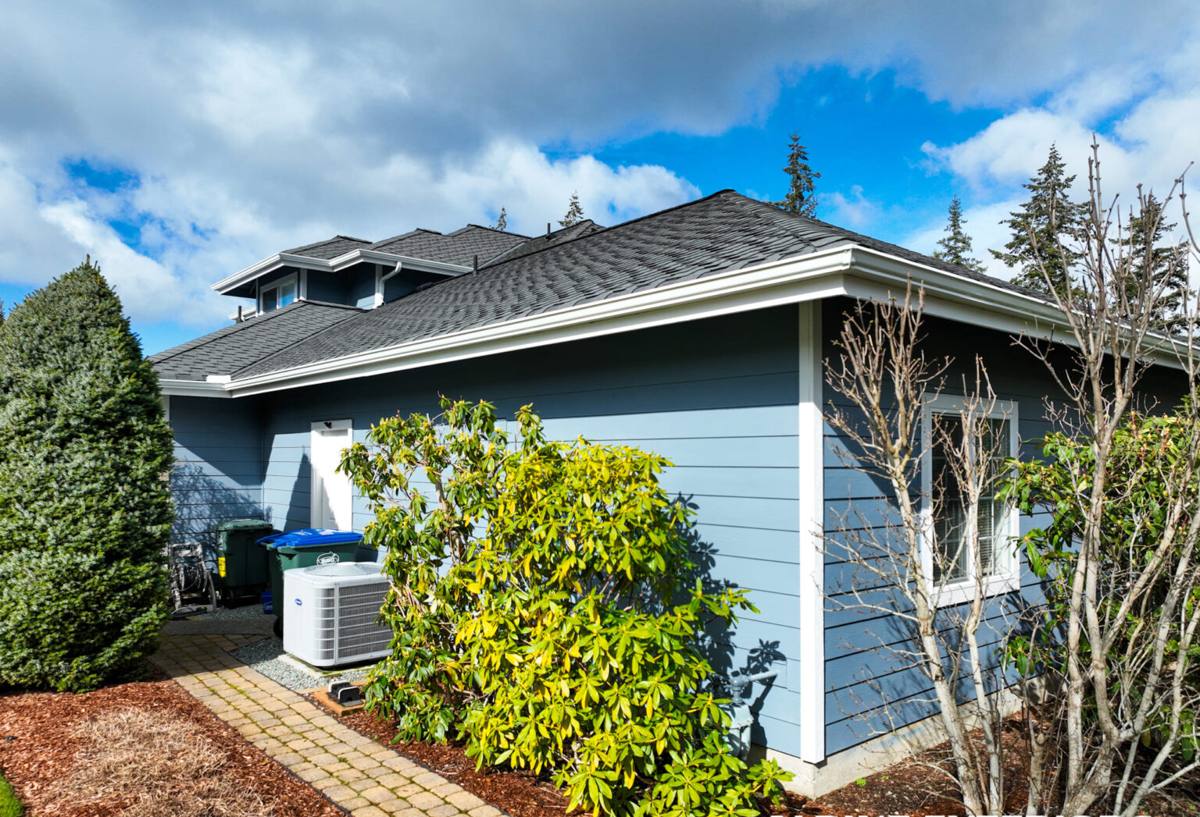
What Local Conditions Actually Do to a Shingle Roof
Wind
Straight-line wind and hurricane gusts don't just push on a roof — they get underneath the shingle tabs and try to peel them back. Once one shingle lifts, wind and water usually go after its neighbors next. Roofs with weak nailing patterns, old or under-rated shingles, or poor edge detailing are the ones that lose shingles first in a storm.
UV Exposure
Central Florida sun is intense and nearly constant. Asphalt shingles are engineered with granules and asphalt binders that resist UV breakdown, but that resistance has limits. Over years of exposure, granules wear thin, the asphalt underneath loses flexibility, and shingles become more brittle and more prone to cracking, especially in the areas of a roof that get the most direct afternoon sun.
Wind-Driven Rain
Rain that falls straight down is easy for any roof to shed. Rain that's being driven sideways by wind is a different problem — it can work its way under shingle tabs, around flashing, and into any seam that isn't properly sealed or lapped. This is why underlayment and flashing details matter as much as the shingles themselves.
Salt Air
Parrish isn't right on the coast, but salt-laden air still travels inland, especially during onshore wind events. Salt air accelerates corrosion on exposed metal — nails, flashing, vent stacks, and fasteners — which is why material choice and proper covering of metal components matters more here than it would further from the Gulf.
What a Correctly Built Asphalt Shingle Roof Includes
A shingle roof is a system, not just a layer of shingles nailed to plywood. Every layer plays a role in how the roof performs under wind and rain.
| Component | Purpose |
|---|---|
| Roof deck | Structural base; inspected and repaired before anything goes on top of it |
| Underlayment | Secondary water barrier that protects the deck if wind-driven rain gets past the shingles |
| Starter strips | Sealed edge course that keeps wind from getting under the first row of shingles |
| Shingles | Primary weather layer and the main defense against sun, rain, and wind |
| Flashing | Metal detailing at valleys, walls, chimneys, and penetrations where leaks are most likely |
| Ventilation | Intake and exhaust airflow that controls attic heat and moisture |
| Fasteners | Nails placed in the correct pattern, count, and location for the shingle's wind rating |
Skip or shortcut any one of these and the whole system is only as strong as its weakest layer. Most premature roof failures we see trace back to one of these components being rushed or skipped, not the shingle brand itself.
How We Approach an Asphalt Shingle Roof in Parrish
- Inspection and assessment. We look at the existing deck, ventilation, and any signs of past leaks or damage before recommending a scope of work.
- Tear-off, not overlay. We remove old roofing down to the deck so we can actually inspect and repair the structure underneath — you can't do that with a layer of new shingles laid over old ones.
- Deck repair. Any soft, rotted, or delaminated decking gets replaced before underlayment goes down.
- Underlayment installation. A synthetic or self-adhering underlayment is installed as the water barrier, with extra attention at valleys and eaves.
- Flashing and drip edge. New metal flashing is installed at all walls, valleys, and penetrations rather than reusing old, corroded pieces.
- Shingle installation. Shingles go down with the nailing pattern and fastener count that match the manufacturer's high-wind installation instructions.
- Ventilation check. Intake and exhaust venting are verified or upgraded so the attic can actually breathe.
- Final walkthrough. We inspect the completed roof and clean up the property before calling the job done.
Choosing a Shingle for Parrish's Climate
Not every asphalt shingle is built the same, and the right choice depends on how much wind resistance and durability a homeowner wants to pay for. We'll walk through the honest trade-offs rather than push whatever has the highest margin.
| Shingle Type | Typical Wind Rating | Best Fit |
|---|---|---|
| 3-tab shingles | Lower wind rating, lighter weight | Budget-conscious projects on structures with less wind exposure |
| Architectural (laminate) shingles | Higher wind rating due to extra layer and weight | Most Parrish homes; better wind and impact performance for a moderate price difference |
| Impact-resistant shingles | Rated for wind and hail impact resistance | Homeowners wanting maximum durability and, in some cases, an insurance premium discount |
We'll always confirm the shingle's actual wind rating against the manufacturer's published installation requirements — a shingle is only as wind-resistant as its installation, so the fastener count and pattern have to match what the rating assumes.
Color and Granule Considerations
Lighter shingle colors reflect more heat, which can modestly ease attic temperatures during Florida summers. Darker colors show granule wear less obviously but absorb more heat. Either can perform well structurally — this is mostly a comfort and aesthetic choice, not a durability one.
What Drives the Cost of a Shingle Roof Replacement in Parrish
No two roofs cost the same to replace, and it's worth understanding why before you compare quotes. A low bid that skips tear-off, decking repair, or proper ventilation isn't actually a better price — it's a smaller scope of work, and the gap usually shows up later as a leak or a warranty claim that doesn't apply.
| Cost Factor | Why It Matters |
|---|---|
| Roof size and pitch | More material and labor for larger roofs; steep pitches take longer and require more safety setup |
| Number of existing layers | Removing multiple layers of old roofing takes more labor than a single-layer tear-off |
| Decking condition | Rotted or delaminated plywood found during tear-off has to be replaced before anything else goes on |
| Shingle tier | 3-tab, architectural, and impact-resistant shingles carry different material costs and labor requirements |
| Roof complexity | Valleys, dormers, chimneys, and multiple penetrations all add flashing work and labor time |
| Ventilation upgrades | Adding or correcting intake and exhaust venting adds modest cost but protects the whole system |
| Permit and code requirements | Manatee County's high-wind zone requirements can affect fastening and material specifications |
We'll walk through these factors specific to your roof during an on-site estimate, so you know exactly what you're paying for and why, rather than a single number with no explanation behind it.
Ventilation, Flashing, and Warning Signs Worth Watching For
The Details That Get Skipped During Installation
A shingle roof that looks fine from the street can still be set up to fail early if the details underneath it were rushed. These are the areas we see cut corners most often on re-roofs done by crews unfamiliar with this climate:
- Reusing old, corroded flashing instead of replacing it during a full tear-off
- Blocking soffit intake vents with insulation, cutting off airflow to the attic
- Installing ridge vent without matching intake, which can pull conditioned air instead of venting heat properly
- Under-nailing shingles or using the wrong nail length to save time
- Skipping starter strip sealant at eaves and rakes, leaving the first course vulnerable to wind uplift
- Failing to properly step-flash where a roof plane meets a wall
None of these shortcuts show up on day one. They show up two or three years later, usually after the first serious wind event, in the form of a leak or a lifted shingle.
Signs Your Roof Needs Attention
Regular checks, especially after any significant wind event, catch small issues before they become interior damage. Watch for:
- Shingles that are cracked, curling at the edges, or missing granules in patches
- Any shingle tabs lifted or missing after a storm
- Dark streaks or staining on ceilings, which often point to a slow roof leak
- Rusting or lifted flashing around chimneys, vents, or walls
- Granules collecting in gutters, a sign of accelerated shingle wear
- Sagging areas on the roof deck, which can indicate underlying moisture damage
Catching these early is almost always cheaper than waiting for a leak to reach the interior of the home.
Permits, Codes, and Insurance in Manatee County
Roofing work in Manatee County requires a permit, and inspections confirm the work meets current Florida Building Code wind and installation requirements, which are stricter than in many other parts of the country because of the hurricane exposure here. A properly permitted, documented re-roof also matters for insurance: many carriers ask for proof of the roof's age, materials, and permit history when writing or renewing a policy, and some offer credits for wind-mitigation features like proper strapping and impact-rated materials. We handle the permit process as part of the job rather than leaving it to the homeowner to sort out.
Why Hiring a Crew That Already Works in Parrish Matters
Roofing crews who work this area regularly already understand the wind uplift concerns, the humidity's effect on attic ventilation, and the corrosion salt air causes on fasteners and flashing over time. That familiarity shows up in the small decisions made on every job: which underlayment to spec, how tightly to detail a valley, where ventilation typically falls short on homes of a certain age. A crew parachuting in without that local context is more likely to build a roof that meets code on paper but underperforms the first time a real storm tests it.
We also stand behind the work with clear communication throughout the job, explaining what we found during tear-off, what we're doing about it, and why, instead of leaving homeowners guessing about what's happening on their own roof.
If your Parrish home needs a new roof, a repair, or just an honest inspection to see where things stand, we're glad to take a look. Reach out using the form below for a free, no-pressure estimate.