 Bradenton Window
 Lakewood Ranch Siding Has to Work Harder Than Siding Almost Anywhere Else
Lakewood Ranch sits inland from the coast, but "inland" in Manatee County doesn't mean sheltered. Homes here still take on salt-laden air carried in off Sarasota Bay and the Gulf, punishing UV exposure nearly every day of the year, and the same hurricane-force wind and wind-driven rain events that hit the rest of the region during storm season. Add in Florida's humidity cycle — hot, wet summers followed by drier stretches — and you have a climate that finds every weakness in a siding system within a few years, not a few decades.
That combination matters more than most homeowners realize when they're shopping for siding. A product or installation method that performs fine in a mild, dry climate can fail here specifically because of what Lakewood Ranch throws at it: sun that breaks down pigments and surface coatings, moisture that gets trapped behind panels and never fully dries out, and wind loads that test every nail and seam during a named storm. Siding installation in this area isn't a cosmetic project — it's a functional upgrade to how your home handles its environment.
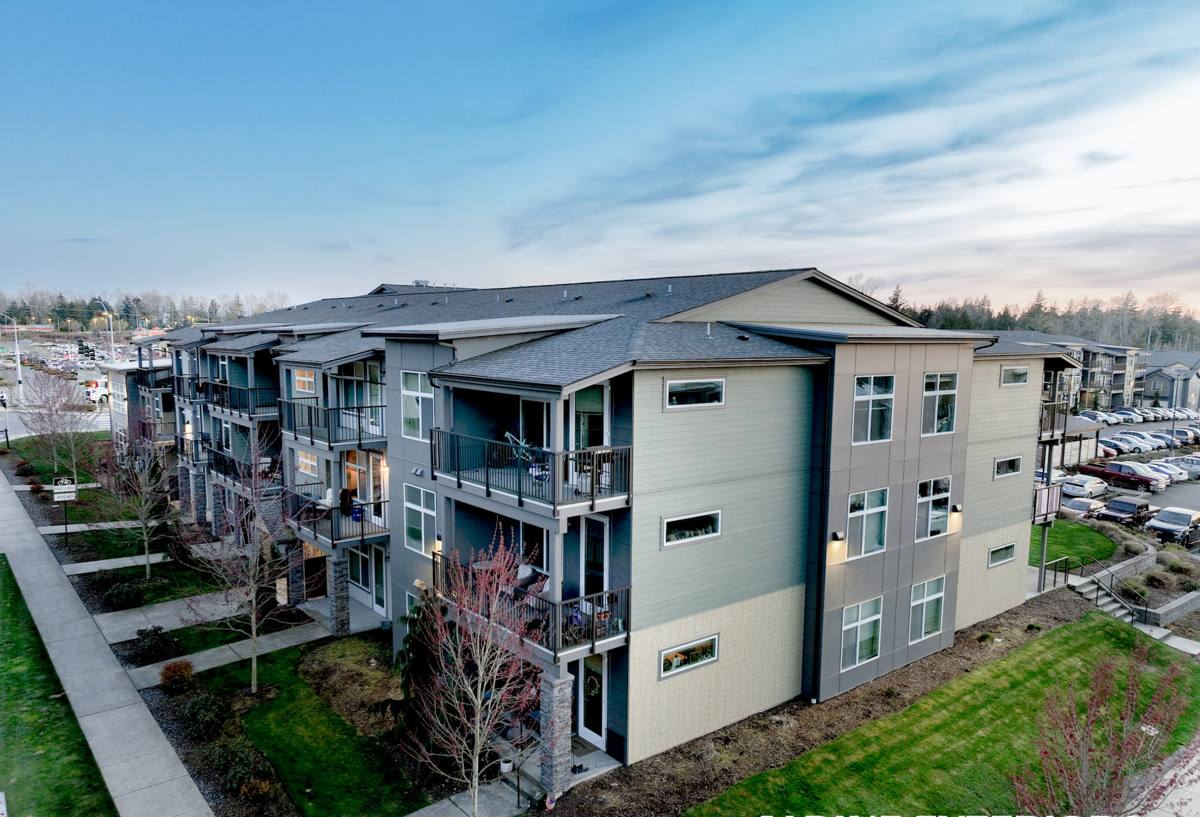
What "Correct" Siding Installation Actually Involves
Siding failures in Bradenton-area homes are rarely about the material itself. They're almost always about installation shortcuts that don't show up until years later — usually right when a storm rolls through and finds the weak point. A correct installation involves several things that are easy to skip and impossible to see once the siding is up:
Water Management Behind the Panels
Proper weather-resistive barrier installation, correctly lapped flashing at windows, doors, and roof lines, and a drainage plane that lets any moisture that does get behind the siding find its way back out. In a climate with wind-driven rain, this layer is doing more work than the siding itself.
Fastening to Manufacturer and Wind-Zone Spec
Nail type, spacing, and placement all change based on your home's wind exposure. Manatee County's building code reflects Florida's High-Velocity Hurricane Zone influence even outside the strictest coastal boundaries, and fastening that doesn't meet spec is one of the first things to fail when sustained winds hit.
Proper Clearances and Joint Treatment
Siding needs clearance from grade, roofing, decks, and other transitions so it isn't sitting in standing water or trapped moisture. Butt joints and seams need to be treated and sealed correctly, not just butted together and caulked as an afterthought.
Skip any one of these steps and the siding can still look fine going up. The problems show up two, five, or ten years later — usually as swelling, staining, soft spots, or panels that come loose in the first serious wind event.
Why We Install Only James Hardie Fiber Cement
We made a decision early on to install one siding system — James Hardie fiber cement — and to turn down jobs where a homeowner wants something else. That's not a sales position, it's a standard we hold because of what we've seen this climate do to alternatives over time.
Vinyl siding softens, warps, and can pull away from fasteners under sustained heat and UV, and it has real limits in high-wind installations without extra bracing. Wood-based and primed wood products need consistent maintenance to keep moisture out, and Florida's humidity doesn't give much room for error on that front. Engineered wood products vary in how they handle prolonged moisture exposure at cut edges and seams. None of these are "bad" products in every context — they're just not what we'd choose to put on a home that has to handle hurricane-force wind, wind-driven rain, and salt air as a matter of routine, not exception.
James Hardie fiber cement is non-combustible, dimensionally stable in heat and humidity, and holds its factory-applied ColorPlus finish far longer than field-applied paint holds up on other materials. Hardie engineers specific product lines (their HZ5 formulation, for example) for humid, high-moisture climates like Florida's — the product is built with this exact environment in mind, not adapted to it after the fact. It also carries a strong transferable limited warranty, which matters if you sell the home before the siding's functional life is up.
Our Installation Process
Every Lakewood Ranch siding job follows the same disciplined sequence, whether it's a small addition or a full re-side:
- Inspection and assessment — we check the existing wall assembly, sheathing condition, and any moisture damage before quoting anything.
- Tear-off and substrate repair — old siding comes off, and any compromised sheathing or framing gets addressed before new material goes up. Covering damaged substrate is how small problems become expensive ones.
- Weather-resistive barrier and flashing — installed and lapped correctly at every penetration, window, and door before a single piece of Hardie goes on.
- Hardie panel or plank installation — fastened to wind-zone spec, with proper clearances and joint treatment throughout.
- Trim, caulking, and final detail work — the finish details that determine whether the system sheds water the way it's designed to.
- Walkthrough — we go over the finished work with the homeowner before calling the job done.
What Affects the Cost of a Siding Installation
Every home is different, but the same handful of factors drive most of the cost variation we see on Lakewood Ranch projects:
| Factor | Why It Matters |
|---|---|
| Home size and wall complexity | More corners, gables, and dormers mean more cuts, trim, and labor hours |
| Substrate condition | Rotted or water-damaged sheathing found during tear-off has to be repaired before new siding goes on |
| Siding profile chosen | Lap siding, shingle-style panels, and board-and-batten all price differently in materials and labor |
| Trim and accent work | Window and door trim, fascia, and soffit detailing add scope beyond the flat wall area |
| Access and site conditions | Landscaping, fencing, and second-story sections affect equipment needs and labor time |
We walk every home in person before giving a number, because a phone estimate on a siding job in this climate is usually wrong in one direction or the other.
Signs Your Current Siding Is Due for Replacement
Homeowners in Lakewood Ranch often live with siding problems for a while before calling anyone, mostly because early signs are subtle. Worth checking for:
- Soft or spongy spots when you press on the siding, especially near the bottom courses or below windows
- Visible warping, buckling, or panels that no longer sit flat against the wall
- Persistent staining or dark streaking that pressure washing doesn't fully remove
- Paint or finish that's chalking, fading unevenly, or peeling faster than it used to
- Gaps opening up at seams, corners, or trim joints
- Rising energy bills that can't be explained by anything else — siding failure often means insulation and wall assembly are compromised too
- Visible damage after a storm, even if it looks minor from the ground
Why Hiring a Crew That Already Works This Area Matters
Lakewood Ranch and the surrounding Bradenton area have their own mix of HOA architectural standards, permitting requirements through Manatee County, and building conditions — slab-on-grade construction, specific wind-zone requirements, and neighborhoods with mature landscaping that affects access and staging. A crew that installs siding here regularly already knows how to navigate HOA approval steps without turning it into a multi-week delay, what the county inspector will actually look for, and how local wind exposure should shape fastening and detailing decisions on your specific property.
That local familiarity isn't a luxury — it's what keeps a project on schedule and keeps the finished work matched to what this climate and this jurisdiction actually require.
Caring for Your Siding After Installation
James Hardie siding is low-maintenance, not no-maintenance. A simple annual routine keeps it performing the way it's designed to in this climate:
- Rinse the exterior periodically to clear salt residue and airborne grime before it builds up
- Keep sprinklers and irrigation from spraying directly on the siding, which accelerates wear at the base
- Walk the exterior after major storms and check caulking, trim, and joints for damage
- Trim back landscaping that holds moisture against the wall or blocks airflow
Followed consistently, this is a short list — Hardie's factory finish and material stability are what make the maintenance burden light in the first place, especially compared to materials that need repainting or resealing on a regular cycle.
If your Lakewood Ranch home's siding is showing wear, or you're planning ahead of the next storm season, we're happy to take a look and give you a straight, no-pressure assessment. Use the form below to request a free estimate.