 Bradenton Window
 Siding Repair in Mill Creek: What Bradenton Homes Are Up Against
Mill Creek sits inland enough to avoid direct beachfront exposure, but it's still squarely inside Manatee County's weather pattern — which means every home here deals with the same combination of punishing sun, wind-driven rain, and salt-laced air moving in off Tampa Bay and the Gulf. Siding takes the brunt of that exposure day after day, year after year, and it shows. What starts as a hairline crack or a soft spot behind a downspout can quietly turn into rot, pest entry, or a moisture problem inside the wall cavity if it goes unaddressed. This page is about one thing specifically: repairing siding correctly on homes in Mill Creek, not replacing the whole exterior, not general siding education. If your siding is otherwise sound but has damage, gaps, or wear in certain areas, this is the service you need.
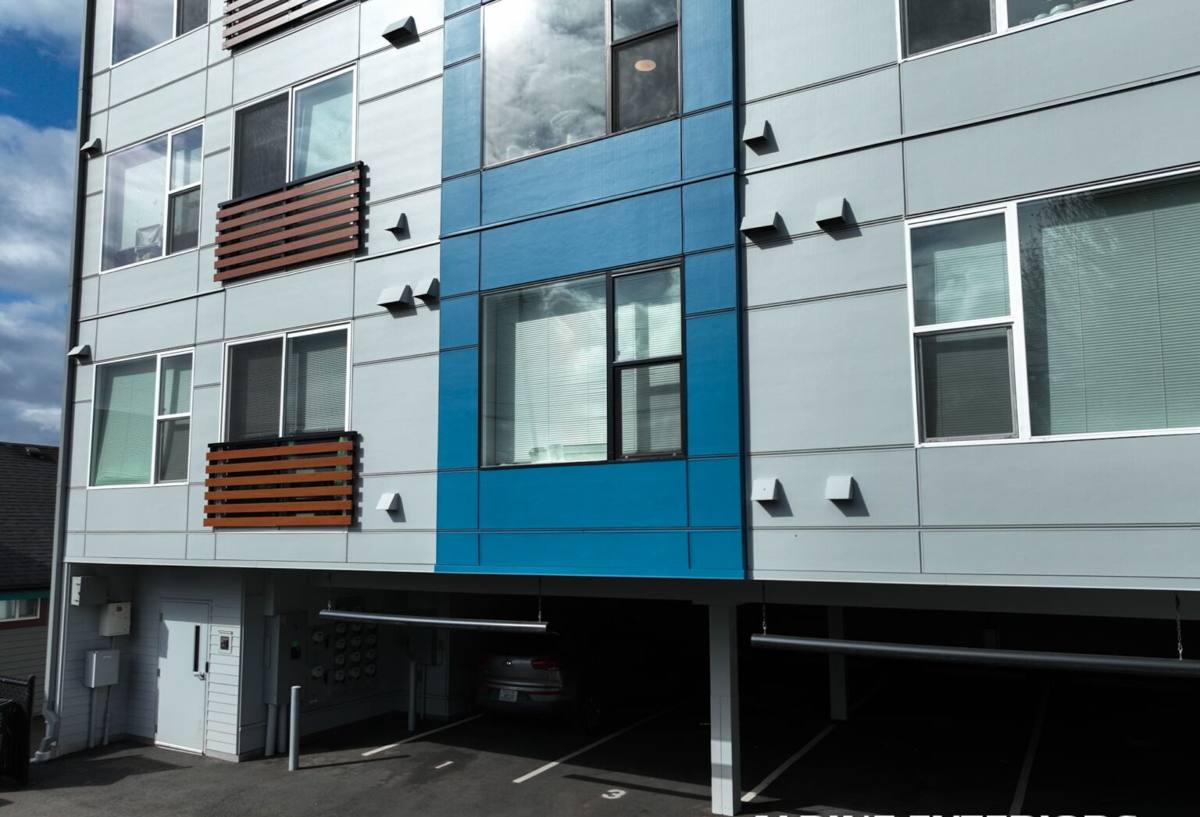
Signs Your Mill Creek Home Needs Siding Repair
Most siding problems don't announce themselves loudly. They show up as small details that are easy to walk past for months before they turn into something expensive. Walk your exterior and look for these:
- Cracked, split, or buckled siding panels, especially near corners and window trim
- Soft or spongy spots when you press on the siding, which usually means moisture has gotten behind it
- Visible gaps or separation at seams, joints, or where siding meets trim, soffits, or the roofline
- Peeling, bubbling, or chalky paint that keeps coming back in the same spot even after touch-ups
- Staining, streaking, or dark patches that don't wash off, often a sign of trapped moisture or mildew growth
- Small holes or chew marks from pests, which almost always mean there's a soft, damaged area behind the surface
- Siding that rattles or flexes in wind, suggesting loose fasteners or failed attachment points
Any one of these on its own might be minor. Several appearing together, or damage that's spreading, usually means it's time to get someone out to look before the next storm season adds to the list.
What Causes Siding Damage in This Part of Manatee County
Wind-Driven Rain
Bradenton doesn't just get rain — it gets rain pushed sideways by tropical storms and seasonal squalls. That horizontal force drives water into seams, laps, and fastener points that were never designed to handle direct water pressure. Over time, water finds its way behind panels that look fine from the street, and the damage starts on the inside before it's visible on the outside.
Intense, Year-Round UV
Florida sun doesn't take a season off. Constant UV exposure breaks down paint finishes, dries out caulking and sealants, and accelerates the aging of any siding material that isn't engineered to handle it. This is one of the biggest reasons siding that looks fine at year three can look tired and faded by year seven.
Salt Air
Even homes that aren't waterfront pick up salt in the air carried inland from the Gulf and the Bay. Salt accelerates corrosion on metal fasteners and trim, and it works into porous or damaged siding surfaces faster than plain moisture alone. Fastener failure is a common root cause of siding that starts to sag or separate.
Hurricane-Force Wind Events
Even when a storm doesn't cause obvious damage, high wind loads flex siding, stress fastener points, and can loosen panels just enough to create a weak spot. That weak spot often doesn't fail until the next storm — which is why post-storm inspections matter even when nothing looks obviously wrong.
Repair vs. Replace: How We Make That Call
Not every damaged section needs a full re-side, and we're not going to sell you one if a targeted repair is the honest answer. Here's generally how that decision plays out:
| Situation | Usual Recommendation | Why |
|---|---|---|
| Isolated cracked or damaged panels, rest of siding is sound | Repair | Localized damage doesn't require disturbing intact siding elsewhere |
| Damage concentrated around one corner, wall, or water entry point | Repair, with a look at the underlying cause | Fixing the symptom without addressing water intrusion just invites a repeat |
| Widespread soft spots, rot, or damage across multiple walls | Replacement worth discussing | Patchwork repairs on failing siding rarely hold up and can cost more over time |
| Siding is an older or discontinued material that can't be matched | Repair if possible, replacement if matching isn't realistic | Mismatched patches are a visible, permanent compromise |
| Damage is cosmetic only (fading, minor scuffs) | Often no repair needed, or a maintenance fix | No sense spending on repair for a purely cosmetic issue |
What a Correct Siding Repair Job Involves
1. A Real Inspection, Not a Guess
We start by identifying not just the damaged panel, but why it failed. Was it a fastener issue, a flashing gap, trapped moisture, impact damage, or simple age? Repairing the visible symptom without understanding the cause means the same failure often comes back.
2. Checking Behind the Surface
Damaged siding is sometimes hiding a bigger problem underneath — wet sheathing, compromised house wrap, or early rot in framing. A repair that just swaps the panel without checking what's behind it is a repair that doesn't actually solve anything.
3. Matching Material and Profile
A repair that doesn't match the surrounding siding in profile, reveal, and finish sticks out and hurts your home's appearance and resale value. We take the time to match correctly rather than using whatever's easiest to source.
4. Correct Fastening and Flashing
A huge share of siding failures trace back to incorrect fastening or missing/poor flashing detail at seams, corners, and penetrations. We install to manufacturer spec, not shortcuts, because that spec exists specifically for wind and water performance in climates like ours.
5. Sealing and Finish Work
Proper sealant at the right joints — not everywhere, since over-sealing siding can trap moisture just as badly as under-sealing it — and a clean finish that blends with the rest of the wall.
Why We Only Work With James Hardie Fiber Cement
When a repair calls for new material, or when damage is extensive enough that a homeowner starts asking about replacement, we only use James Hardie fiber cement. We don't install vinyl, LP SmartSide, Cemplank, Allura, or primed wood siding, and we're upfront about why: those products each have real trade-offs in this climate — vinyl can warp and fade under sustained Florida UV and doesn't hold up as well in high wind events, engineered wood products are more sensitive to sustained moisture exposure if any water intrusion occurs, and wood siding demands a maintenance schedule most homeowners don't want to keep up with in salt air. James Hardie's fiber cement is non-combustible, engineered specifically for high-heat, high-humidity climates through its HZ product lines, and holds its ColorPlus factory finish far longer under UV than field-applied paint. When we patch or replace a section, using Hardie means the repair performs the same way — and ages the same way — as the rest of a Hardie-sided home, or sets a stronger new standard if your home isn't Hardie yet.
Why Local Experience in Mill Creek Matters
Siding repair isn't one-size-fits-all, and it especially isn't the same job in every part of Florida. A crew that regularly works homes in and around Bradenton and Manatee County already knows the wind exposure patterns, the way salt air and humidity behave here, and what local permitting and inspection expect for exterior work. That local familiarity means fewer surprises, faster turnaround on permitting where required, and repair decisions grounded in what actually holds up in this specific environment — not generic advice pulled from a different climate. It also means we're not learning the area on your dime; we already know what tends to fail here and why.
Cost Factors for Siding Repair in Mill Creek
Every home is different, but these are the main factors that drive siding repair pricing up or down. We'll walk through all of these during your estimate rather than quoting a number blind.
| Factor | Impact on Cost |
|---|---|
| Extent of visible damage (isolated panel vs. multiple walls) | Larger scope naturally increases material and labor cost |
| Hidden damage behind the siding (rot, wet sheathing) | Can increase cost if underlying repair is needed before re-siding |
| Material match availability | Older or discontinued profiles may cost more to source or match |
| Access and height of damaged area | Second-story or hard-to-access areas add labor time |
| Trim, flashing, and corner detail work | Proper flashing repair adds labor but prevents repeat failure |
Maintaining Your Siding After Repair
Once a repair is done right, keeping it that way in our climate doesn't take much — a rinse a few times a year to clear off salt film and grime, a quick visual check after any major storm, and prompt attention if you notice a new soft spot or gap rather than waiting. Small issues caught early stay small. That's true of siding anywhere, but it's especially true in a coastal-influenced climate like ours, where wind, sun, and salt don't give a minor problem much time to stay minor.
If you're seeing damage, wear, or storm-related concerns on your Mill Creek home's siding, we're happy to come take an honest look. There's no pressure and no cost for the estimate — just a clear read on what's actually going on and what it would take to fix it right.