 Bradenton Window
 Siding Replacement Built for Ellenton's Climate
Ellenton sits in the part of Manatee County where Gulf Coast weather is not an abstraction — it's what your siding deals with every single day. Hurricane-force wind events test fastening and impact resistance. Intense, nearly year-round UV bakes paint and breaks down weaker siding materials from the outside in. Wind-driven rain finds every gap in flashing and house wrap. And salt-laden air moving inland from Tampa Bay accelerates corrosion on fasteners, trim, and anything not rated for a coastal environment. A siding replacement in this area isn't just a cosmetic upgrade — it's a decision about how well your home's envelope will hold up to conditions that are tougher than what most of the country deals with.
We work on homes throughout the Ellenton area regularly, which means we're not guessing at what this climate does to siding over time. We're replacing it.
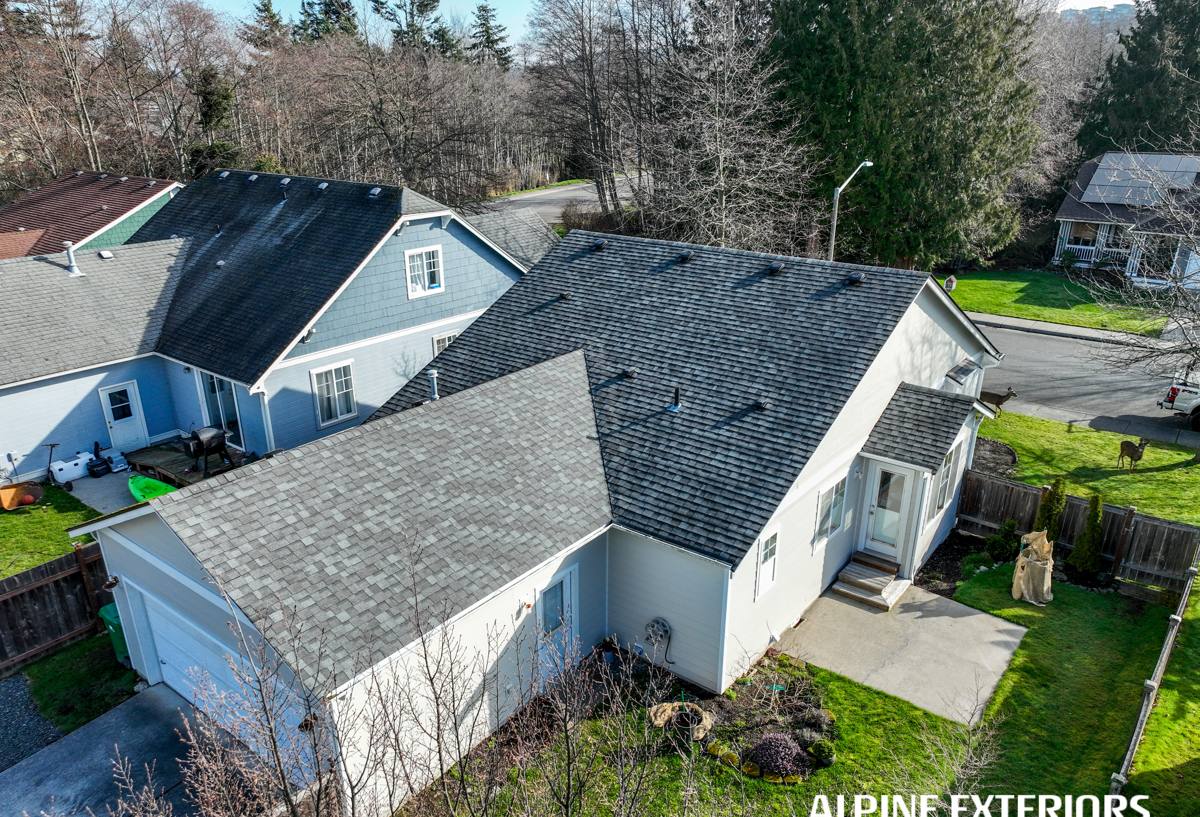
How This Climate Wears Down Siding
Different siding materials fail in different ways here, but the underlying stressors are the same across Ellenton and the rest of Manatee County:
- UV exposure: Constant sun bleaches color, dries out caulk and sealants, and causes some siding materials to become brittle over years of exposure.
- Wind-driven rain: Storms in this region rarely fall straight down. Rain gets pushed sideways into laps, seams, and trim joints, which is exactly where poor installation shows up first.
- Humidity and moisture cycling: Florida's swings between saturated air and intense heat put constant stress on siding that isn't dimensionally stable, causing swelling, warping, or delamination in some products.
- Salt air: Even well inland from the coast, airborne salt corrodes exposed metal fasteners and accelerates the failure of caulking and trim.
- Wind load: Manatee County's building code reflects the real risk of hurricane-force winds. Siding and its fastening pattern have to be engineered for that, not just installed the way it would be in a calmer climate.
Signs an Ellenton Home Needs Siding Replacement
Not every siding problem means a full replacement, but these are the signs we see most often on homes in this area that do need it:
- Visible warping, buckling, or waviness across a wall section
- Soft spots when you press on the siding, especially near the bottom courses
- Cracking or splitting, particularly around corners and window trim
- Paint that's failing repeatedly even after repainting
- Gaps opening up at seams, laps, or trim joints
- Visible mold, mildew, or staining that keeps coming back
- Rising energy bills that suggest the wall assembly is no longer doing its job
- Siding that's simply reached the end of its practical service life
If you're seeing more than one or two of these, it's worth having someone look at the whole wall system, not just patch the visible symptom.
What a Correct Siding Replacement Actually Involves
Siding replacement done right is as much about what's underneath the siding as the siding itself. A large share of siding failures we see on older Ellenton homes trace back to what was — or wasn't — done during the original install, not the siding product itself.
Tear-Off and Substrate Inspection
Full removal of the old siding lets us actually see the sheathing underneath. This is where hidden problems show up: water damage, rot, or compromised framing that's been quietly getting worse behind the old siding. Any of that gets addressed before new siding goes up — covering it over is how small problems become expensive ones.
Weather-Resistive Barrier
A correctly installed water-resistive barrier (WRB) is the layer that actually keeps wind-driven rain out of your wall assembly. It has to be installed with proper overlaps and integrated correctly with window and door flashing — a detail that's easy to rush and hard to inspect once the siding is on.
Flashing and Water Management
Every penetration — windows, doors, hose bibs, vents — needs flashing that directs water out and away from the wall, not behind the siding. This is one of the most common places we find shortcuts on prior installs, and it's usually the reason a home develops hidden moisture damage years before the siding itself shows any visible sign of trouble.
Fastening for Wind Zone
Manatee County's wind zone requirements dictate fastener type, spacing, and placement. We install to the manufacturer's engineered specifications for this region's wind exposure, not a generic pattern.
Why We Install Only James Hardie Fiber Cement Siding
We don't install vinyl, LP SmartSide, or other engineered wood siding products, and we're upfront about why: in a climate like this one, those materials come with trade-offs we're not willing to put our name behind. Vinyl can warp and become brittle under sustained UV and heat, and it offers limited impact resistance in wind-borne debris situations. Engineered wood products rely on maintaining an intact factory coating — any breach from impact or poor field-cutting practices can allow moisture into the substrate, and repairs are unforgiving.
James Hardie fiber cement siding is non-combustible, dimensionally stable in heat and humidity swings, and doesn't support the kind of moisture-driven decay that engineered wood products are vulnerable to. Hardie's ColorPlus finish is baked on at the factory and formulated to resist UV fade far better than field-applied paint, which matters enormously in a spot that gets sun exposure like Ellenton does. Hardie also engineers specific product lines — including its HZ10 formulation — for high-humidity, high-moisture climates like Florida's Gulf Coast. That's not marketing; it's a material genuinely built for what this region does to a house.
James Hardie Product Lines for This Climate
| Product | Best Use | Why It Fits Ellenton |
|---|---|---|
| HardiePlank Lap Siding | Most common wall application | Classic look, engineered for wind and moisture exposure, wide color range |
| HardieShingle | Accent areas, gables | Coastal/craftsman aesthetic without the maintenance burden of real wood shingle |
| HardiePanel | Vertical/board-and-batten style | Clean modern look, strong performance on accent walls and porches |
| HardieTrim | Corners, fascia, window/door trim | Matches the fiber cement system so trim and siding age the same way |
Our Siding Replacement Process
- On-site assessment: We inspect current siding, trim, and — where accessible — the condition of the wall assembly, and talk through what we're seeing with you directly.
- Written estimate: A clear scope covering tear-off, substrate repair allowances, WRB, flashing, product line and color, and fastening approach.
- Permitting: We handle the Manatee County permit process for the job, so the work is inspected and documented correctly.
- Tear-off and substrate repair: Old siding comes off, sheathing is inspected, and any damage found is repaired before moving forward.
- Weather barrier and flashing installation: The moisture-management layer goes in correctly, with proper integration at every penetration.
- Hardie installation: Siding is installed to manufacturer spec for fastening, clearances, and joint treatment.
- Final walkthrough: We go over the finished work with you before calling the job complete.
What Drives the Cost of Siding Replacement
Every home is different, but these are the main factors that move the price on a siding replacement job in this area:
| Factor | Why It Matters |
|---|---|
| Home size and wall complexity | More square footage and more corners, gables, and dormers mean more labor and material |
| Condition of existing sheathing | Rot or water damage found during tear-off requires repair before new siding goes on |
| Siding removal difficulty | Some existing materials come off cleanly; others take significantly more labor |
| Trim and detail work | Corner boards, window trim, and fascia detail add labor and material |
| Product line and profile | HardiePlank, HardieShingle, and HardiePanel carry different material costs |
| Color selection | Factory ColorPlus finishes vs. primed-for-paint options affect pricing |
We give a written, itemized estimate before any work starts, so there's no guessing about what's driving the number.
Why a Crew That Already Works in Ellenton Matters
Siding replacement isn't just a product install — it's a job that has to account for local code, local permitting, and local weather patterns. A crew that regularly works in Ellenton and the surrounding Manatee County area already knows the wind zone requirements that apply here, has an established relationship with the local permitting process, and has seen firsthand how different wall assemblies in this area hold up — or don't — over time. That local track record shows up in fewer surprises during the job and a finished result that's actually built for what your home will face for the next few decades.
Maintaining Your New Siding
James Hardie fiber cement is low-maintenance compared to the alternatives, but "low-maintenance" isn't "no-maintenance" in this climate. A simple annual routine keeps it performing the way it's designed to:
- Rinse siding periodically to clear salt residue and airborne grime, especially on sides facing prevailing wind
- Inspect caulking at trim joints and penetrations yearly, and re-caulk where it's dried out or cracked
- Trim vegetation back from siding to maintain airflow and reduce trapped moisture
- Check gutters and downspouts so water is actually being directed away from the wall, not running down it
If you're seeing signs of wear on your current siding, or you just want an honest opinion on where it stands, we're happy to take a look. Fill out the form below for a free, no-pressure estimate on siding replacement for your Ellenton home.