 Bradenton Window
 Asphalt Shingle Roofing Built for Village of the Arts
Village of the Arts sits close enough to the water and to downtown Bradenton that its homes take the full brunt of Manatee County weather — salt-laden air, intense year-round UV, sudden wind-driven downpours, and the occasional hurricane-force gust that tests every nail and seal on a roof. Many of the bungalows and cottages in this neighborhood were built decades ago, long before today's shingle technology and installation standards existed. That combination of older roof decks and harsh coastal exposure means a shingle roof here has to work harder than one a few miles inland, and it has to be installed by someone who understands exactly why.
We install and repair asphalt shingle roofs throughout Bradenton, and Village of the Arts is a neighborhood we know well — the mix of home ages, the tight lot lines, the tree canopy that drops debris and holds moisture against a roof surface longer than an open lot would. None of that is exotic, but all of it matters when you're deciding what shingle, what underlayment, and what installation detail belongs on your specific roof.
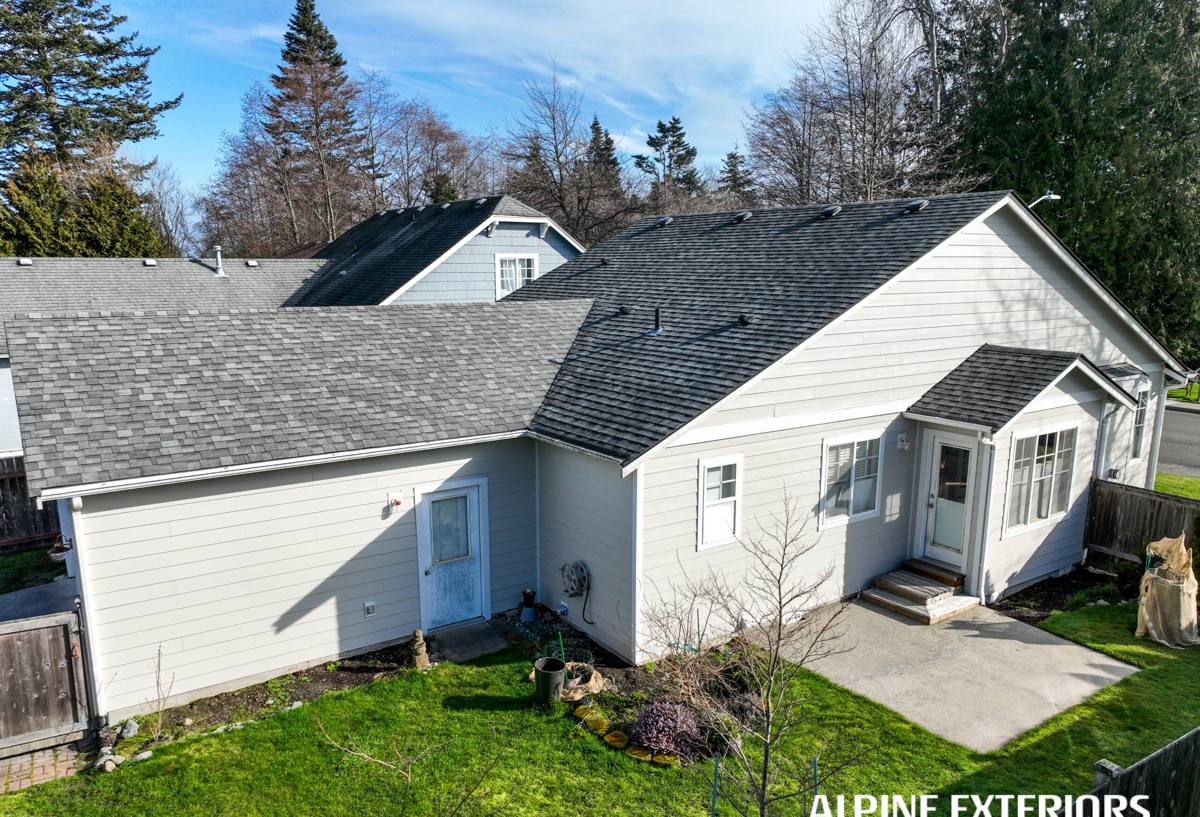
What Manatee County Climate Does to a Shingle Roof
Asphalt shingles are a proven, cost-effective roofing material, but they are also a petroleum-based product that reacts to heat, UV, and moisture over time. In this part of Florida, that reaction happens faster than it would in a milder climate.
UV and Heat
Constant sun exposure dries out the asphalt in a shingle, causing the granules on the surface to loosen and wash away. Those granules are the shingle's primary defense against UV degradation, so once they start shedding, the aging process accelerates. Dark shingles on south- and west-facing slopes in Village of the Arts typically show this wear first.
Wind-Driven Rain and Hurricane Gusts
Manatee County sits squarely in a wind-borne debris region under Florida's building code, which is why nailing pattern, shingle wind rating, and starter strip installation aren't optional details — they're the difference between a roof that survives a tropical storm and one that loses shingles in a 45 mph gust. Older homes in this neighborhood were often built or re-roofed under older code cycles, so a re-roof is a genuine opportunity to bring wind resistance up to current standards.
Salt Air
Proximity to the coast means airborne salt settles on roofing metal — flashing, drip edge, vent stacks, nail heads — and accelerates corrosion. Corroded flashing and fasteners are one of the most common causes of hidden leaks on otherwise healthy-looking shingle roofs in this area.
Humidity and Attic Moisture
Year-round humidity means a poorly ventilated attic stays damp longer, which can rot decking from underneath even while the shingles above still look fine. Roof ventilation is part of the job, not an afterthought.
Signs a Village of the Arts Roof Needs Attention
- Granules collecting in gutters or at the base of downspouts
- Shingles that look curled, cupped, or lifted at the edges
- Dark streaking or algae staining across the roof plane
- Soft spots or sagging visible from the ground or attic
- Missing or cracked shingles after a storm, even a mild one
- Rusty streaks near flashing, vent boots, or valleys
- Daylight visible through the roof deck from inside the attic
- Interior ceiling stains, especially after heavy rain
Any one of these on its own isn't necessarily an emergency, but ignoring several at once usually means a small repair has already become a bigger one.
What a Correct Shingle Roof Installation Involves
A shingle roof is a system, not a single product, and skipping steps in that system is where most premature failures come from. Here's what we consider non-negotiable on every job in this climate:
- Deck inspection and repair. Every section of decking is checked for soft spots, rot, or delamination before anything new goes down. Covering a bad deck with new shingles just hides the problem.
- Underlayment upgrade. A synthetic or self-adhering underlayment provides a secondary water barrier — critical in a region where wind-driven rain can push moisture up and under shingles during a storm.
- Ice-and-water shield at vulnerable points. Despite the name, this membrane matters here for valleys, eaves, and penetrations where wind-driven rain concentrates, not for ice.
- Corrosion-resistant flashing. Given the salt air exposure, flashing and fasteners rated for coastal environments last significantly longer than standard-grade materials.
- Correct nailing pattern and fastener count. Meeting or exceeding the wind-rating requirements for the shingle and the local code is what actually keeps a roof intact in a tropical storm.
- Proper attic ventilation. Balanced intake and exhaust ventilation keeps attic temperatures and moisture levels in check, protecting the deck and extending shingle life from underneath.
- Sealed penetrations. Every vent stack, pipe boot, and skylight curb gets sealed with materials rated for sustained UV and heat exposure, not generic caulk.
Shingle Options: What Actually Fits This Neighborhood
| Shingle Type | Typical Lifespan (Coastal FL) | Best Fit For |
|---|---|---|
| 3-tab strip shingles | 12–18 years | Budget re-roofs, rental properties, shorter-hold timelines |
| Architectural (laminate) shingles | 20–30 years | Most owner-occupied homes; better wind rating and appearance |
| Impact-resistant architectural shingles | 25–30+ years | Homes seeking storm resilience and potential insurance credits |
Given the wind and hail exposure common to this part of Florida, most homeowners in Village of the Arts get better long-term value out of architectural shingles than 3-tab, even though the upfront cost is higher. The extra thickness and stronger sealant strip hold up better to both UV cycling and wind uplift.
Color and Heat Considerations
Lighter shingle colors reflect more heat, which can modestly reduce attic temperatures and cooling costs — worth weighing against the visual character of the older homes in this neighborhood, where darker, traditional tones are common.
Repair vs. Full Replacement
Not every roofing problem in Village of the Arts calls for a full tear-off. The right call depends on the roof's age, the extent of the damage, and whether the underlying deck and underlayment are still sound.
- Repair usually makes sense when: damage is localized (a few missing shingles, one damaged valley), the roof is under 12–15 years old, and the deck underneath is confirmed dry.
- Replacement usually makes sense when: granule loss is widespread, multiple leaks have appeared in different areas, the roof is past its expected service life, or storm damage affects a large percentage of the roof plane.
We inspect first and give a straight answer either way — a repair that buys a few more years of honest service is often the right recommendation, even when a replacement would be the larger job.
Our Process for Village of the Arts Homeowners
The steps don't change from house to house, but the details we look for do — especially in a neighborhood with this mix of home ages and coastal exposure.
- On-site inspection. We walk the roof and the attic, not just look from the ground, and photograph anything that affects the scope of work.
- Written estimate. A clear scope covering materials, tear-off, deck repair allowances, and cleanup — no vague line items.
- Permitting. Roofing work in Manatee County requires a permit; we handle that process so the job is inspected and documented correctly.
- Tear-off and deck check. Old materials come off completely so the deck can be inspected directly, not guessed at.
- Installation. Underlayment, flashing, and shingles go down in the sequence and manner the manufacturer and code require, not a shortcut version of it.
- Final walkthrough and cleanup. We review the finished roof with you and make sure the property — including gutters and landscaping — is clear of debris and nails.
Why Local Experience Matters Here
A shingle roof installed without accounting for Village of the Arts' specific mix of coastal salt exposure, storm wind loads, and older home construction will wear out faster than it should — regardless of how good the shingle brand is. Crews that already work in this part of Bradenton know which flashing details to upgrade on an older deck, which ventilation gaps are common in this housing stock, and how to sequence a job around narrow lots and mature trees without cutting corners on the parts that don't show up until the next storm.
That local familiarity doesn't replace a proper inspection of your specific roof, but it does mean fewer surprises once the tear-off starts.
Maintaining Your Roof Between Major Work
- Have gutters cleared regularly so water doesn't back up under the roof edge
- Trim overhanging branches to reduce debris buildup and abrasion on shingles
- Schedule a professional inspection after any major storm, even without visible damage
- Address small leaks and missing shingles promptly rather than waiting
- Keep attic ventilation paths (soffit vents, ridge vents) clear of insulation or debris
If you're noticing wear on your roof or just want an honest read on how much life it has left, we're glad to take a look. Reach out for a free, no-pressure estimate using the form below.