 Bradenton Window
 Roof Replacement Built for Whitfield Estates
Whitfield Estates is one of the older, established residential communities near Bradenton, with mature tree canopy, a mix of home ages and roof styles, and a location close enough to the water that salt air is a daily fact of life. A roof here isn't just shedding rain — it's fighting UV, wind, and airborne salt around the clock, every day of the year. When a roof in this neighborhood starts failing, it's rarely one single problem. It's usually years of accumulated wear finally catching up at once.
This page covers what a full roof replacement actually involves for homes in this area, what correct work looks like versus a rushed job, and why local experience with this specific pocket of Manatee County matters more than homeowners often assume.
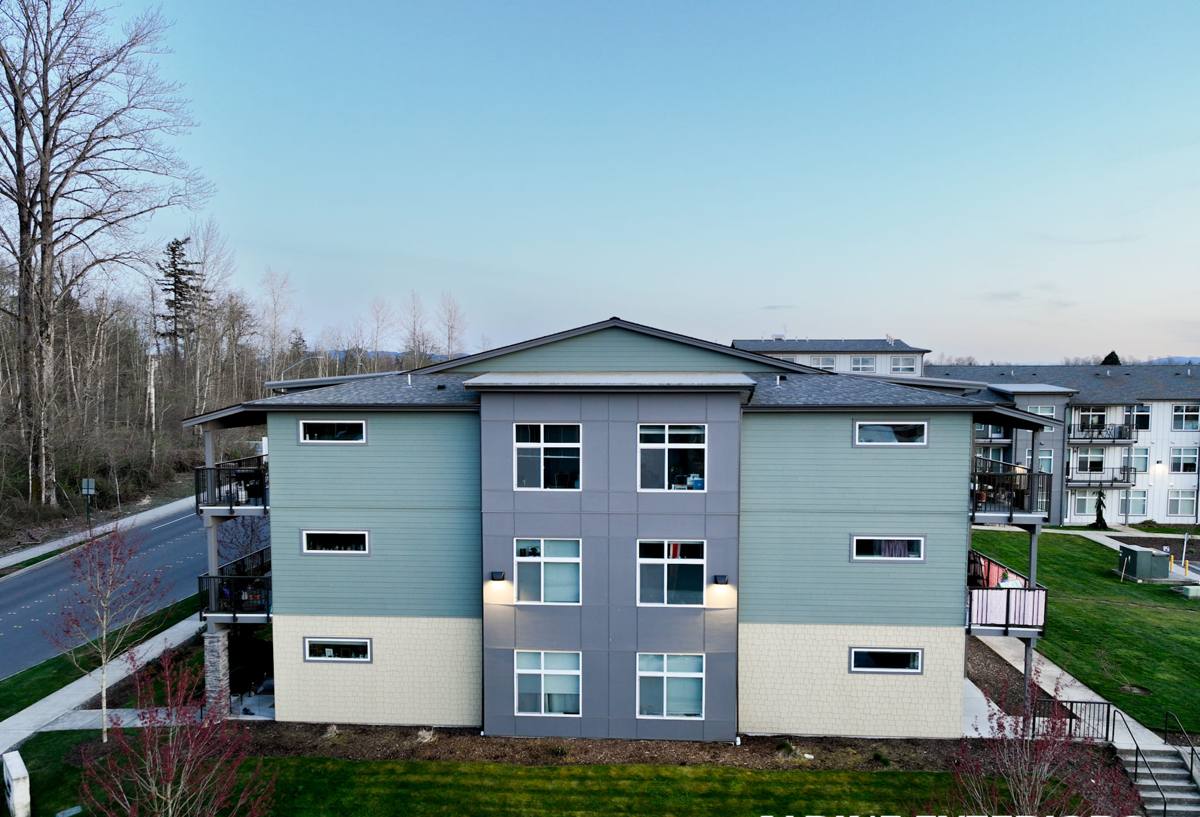
What Bradenton's Climate Does to a Roof
Every roofing material sold in Florida is rated to handle heat and rain on paper. What separates a roof that lasts from one that fails early is how well it's installed to handle the specific combination of stresses that hit this region year-round.
Hurricane-Force Wind
Wind doesn't just push on a roof — it pulls. Uplift is what tears shingles and panels loose, and it concentrates hardest at ridges, edges, and corners. A roof that looks fine from the ground can have fastening that was never adequate for local wind speeds, especially on older homes that were roofed before current wind-resistance standards were common practice.
Intense, Year-Round UV
Central Florida gets far more direct sun exposure than most of the country, and it doesn't let up seasonally. UV breaks down asphalt oils, dries out sealants, and degrades underlayment faster than in northern climates. A roofing system rated for "25 years" elsewhere often performs on a shorter real-world timeline here simply because of sun load.
Wind-Driven Rain
Rain that comes in sideways during a storm doesn't behave like rain falling straight down. It gets pushed up under shingle tabs, around flashing, and into any gap that a calm-weather roof wouldn't need to worry about. This is why flashing detail and underlayment quality matter as much as the visible roofing material itself.
Salt Air
Proximity to the coast means airborne salt settles on roofing metal, fasteners, and flashing continuously. Salt accelerates corrosion on anything that isn't rated for coastal exposure — nails, drip edge, vent boots, and pipe flashing are common early failure points on homes near the water, well before the main roofing material itself is due for replacement.
Signs a Whitfield Estates Roof Needs Replacement, Not Just Repair
- Granule loss heavy enough that shingles look patchy or bald in sun-exposed areas
- Curling, cupping, or cracked shingles across multiple slopes, not just one isolated spot
- Soft or spongy decking felt underfoot in the attic or found during a leak repair
- Repeated leaks in different locations after storms, rather than one recurring spot
- Visible sagging along the roofline or between rafters
- A roof approaching or past 18-20 years old with no major work done since installation
- Rusted or deteriorated flashing, vent boots, or fasteners from long-term salt exposure
- An insurance company flagging roof age or condition at renewal
Any one of these alone might be a repair. Several together usually mean the underlying system has reached the end of its service life, and patching individual spots will just chase new leaks every storm season.
What a Correct Roof Replacement Actually Involves
A roof replacement is a system, not a single product. Skipping steps to save time is the single biggest reason roofs in this area fail years before they should.
Full Tear-Off
We remove the existing roofing down to the deck rather than layering new material over old. Layering hides deck problems, traps moisture, and voids most manufacturer warranties outright.
Deck Inspection and Repair
Once the old roofing is off, the decking gets inspected for rot, delamination, or fastener pull-through — common on older Whitfield Estates homes where humidity and past minor leaks have had years to do quiet damage. Any compromised sections get replaced before anything new goes down.
Underlayment
A synthetic or self-adhering underlayment goes down as the roof's actual water barrier. This layer matters more in this climate than in drier regions, since it's the backup when wind-driven rain gets past the surface material.
Flashing and Penetrations
Flashing around chimneys, walls, skylights, and roof-to-wall transitions gets replaced, not reused. Pipe boots and vent flashing get upgraded to corrosion-resistant materials suited to salt-air exposure rather than standard inland-grade parts.
Fastening to Local Wind Requirements
Nailing patterns and fastener counts are set to current Florida Building Code wind requirements for this area, not the minimums that may have been standard when an older home was originally built. This is the detail that most affects how a roof performs in the next major storm.
Ventilation
Proper intake and exhaust ventilation keeps attic temperatures and moisture in check, which extends the life of the roofing material and helps with energy costs — a bigger factor here than in cooler climates given how much heat the attic absorbs.
Roofing Material Options for This Area
| Material | Typical Lifespan Here | Wind Performance | Maintenance Notes |
|---|---|---|---|
| Architectural asphalt shingle | 15-20 years | Good, when rated and fastened correctly | Most cost-effective; UV and salt shorten life if underlayment or ventilation is weak |
| Standing seam metal | 30-50 years | Excellent uplift resistance | Higher upfront cost; coastal-grade fasteners and finish needed to resist salt corrosion |
| Concrete or clay tile | 30-50 years | Excellent when properly fastened | Heavier structural load; individual tiles can crack from impact and need replacement |
There's no single "best" material for every home — it depends on the structure, budget, HOA guidelines where applicable, and how long the homeowner plans to stay in the house. We'll walk through the honest trade-offs for your specific roof rather than pushing one product across the board.
Cost Factors for Whitfield Estates Roof Replacements
| Factor | Why It Affects Price |
|---|---|
| Roof size and pitch | More surface area and steeper slopes increase material and labor time |
| Deck condition | Rotted or damaged decking found during tear-off requires repair before installation |
| Material choice | Shingle, metal, and tile carry different material and labor costs |
| Number of penetrations | Chimneys, skylights, and multiple vents each require additional flashing work |
| Layers to remove | Tearing off multiple existing layers takes more labor than a single-layer tear-off |
| Permitting requirements | Local permit and inspection fees are part of a compliant, legal install |
We provide a written, itemized quote after an on-site inspection so you know exactly what's driving the cost — no vague lump-sum numbers.
Our Roof Replacement Process
- On-site inspection. We walk the roof and attic, check the decking, flashing, and ventilation, and document the actual condition rather than guessing from the ground.
- Written estimate. A clear, itemized quote covering material, labor, and any deck repair contingencies, explained in plain terms.
- Permitting. We handle the local permit application so the work is documented and inspected to code, which also matters for insurance and resale.
- Tear-off and deck repair. Old roofing comes off completely, and the deck is repaired before anything new is installed.
- Installation. Underlayment, flashing, ventilation, and the new roofing material go in to current wind and moisture standards.
- Cleanup and final inspection. Job site debris and nails are cleared, and the finished roof is inspected before we consider the job done.
Why Local Experience in Whitfield Estates Matters
A crew that regularly works this neighborhood already understands the mix of home ages and roof styles common here, knows what local decking and flashing tends to look like once it's opened up, and is used to coordinating with Manatee County permitting and inspection timelines. That familiarity translates into fewer surprises mid-project and a more accurate estimate from the start, instead of change orders after the tear-off begins.
It also matters for insurance. Florida insurers increasingly ask for documentation on roof age, material, and wind mitigation features. A properly permitted, correctly installed roof with clear paperwork makes that conversation with your insurer far easier than an undocumented repair job.
Before You Hire: A Practical Checklist
- Ask for proof of current Florida roofing license and insurance, and verify it independently
- Confirm the quote includes a full tear-off, not an overlay
- Ask specifically what underlayment and flashing materials are included, not just the visible roofing product
- Confirm permitting is included and who pulls the permit
- Ask how decking repair, if needed, is priced — flat rate or per-sheet
- Get the manufacturer warranty terms and the contractor's workmanship warranty in writing
- Ask for a written timeline, including what happens if weather delays the work
Get a Free, No-Pressure Estimate
If your Whitfield Estates roof is showing its age, getting an honest, on-site look at what's actually going on is the right first step — no pressure, no guesswork. Fill out the form below and we'll schedule a time to inspect your roof and walk you through your options in plain terms.