 Bradenton Window
 Window Installation for Whitfield Estates Homes
Whitfield Estates sits in an established part of the greater Bradenton area, close enough to the water that homes here deal with a different set of stresses than properties further inland. Between hurricane-force wind events, near-constant UV exposure, wind-driven rain, and salt-laden air moving in off the bay, windows in this neighborhood age faster than the manufacturer's brochure would have you believe. A window that's rated for "coastal use" on paper still needs to be sized, sealed, and anchored correctly for the specific wall assembly it's going into, or none of that rating matters once a storm actually tests it.
This page covers what we look at when we install windows in Whitfield Estates specifically — the housing stock, the climate load, and the installation details that separate a window that holds up for twenty years from one that starts failing at the seals in five.
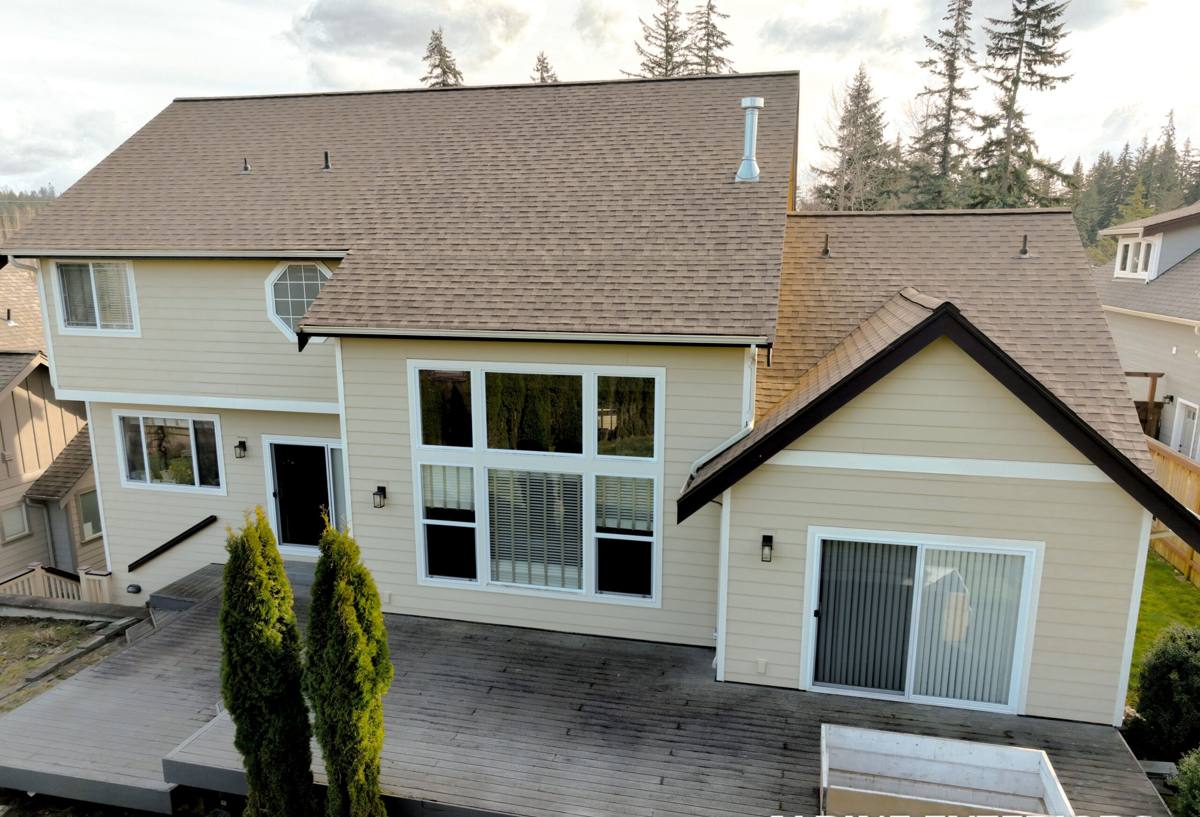
What Local Conditions Do to Windows
Manatee County homes are built to Florida Building Code wind requirements, and that code exists for a reason — this stretch of the Gulf Coast sees real hurricane risk most years. But wind pressure is only part of the story. A window's enemies here work together:
- Wind load: sustained and gusting pressure that flexes glass and stresses frame anchoring, worst during tropical storms and hurricanes.
- UV exposure: year-round Florida sun breaks down vinyl frames, degrades seals, and yellows or clouds lower-quality glazing over time.
- Wind-driven rain: water pushed sideways and upward under pressure finds any gap in flashing or sealant, not just gaps facing the storm.
- Salt air: proximity to the bay means airborne salt accelerates corrosion on hardware, fasteners, and metal reinforcement inside frames that aren't rated for coastal exposure.
None of these show up as dramatic failures overnight. They show up as a window that's harder to open than it used to be, a frame that's chalky or pitted, or a pane that fogs between the glass layers because the seal finally gave out. By the time you notice it, the damage has usually been building for a while.
Whitfield Estates' Mixed Housing Stock
Like a lot of established neighborhoods in this part of Bradenton, Whitfield Estates has a mix of home ages and construction styles — some original windows from decades back, some mid-life replacements that were adequate for their time but predate current impact standards, and some homes already updated with newer glazing. That mix matters for installation because older openings are rarely square or standard-sized anymore. Settling, prior renovations, and decades of humidity cycling all shift rough openings slightly out of true. A correct install accounts for that instead of forcing a stock-size window into an opening that's no longer stock-size.
Signs Your Windows Need Attention
Homeowners usually call us for one of a few reasons. If any of these sound familiar, it's worth having someone look:
- Windows are hard to open, close, or lock, or the locks no longer pull the sash fully tight
- Visible fogging or moisture between panes on double-glazed units — a sign the seal has failed
- Frames that feel soft, are visibly pitted or chalky, or show corrosion on hardware
- Noticeable draft or temperature difference near the window even with it closed
- Rattling or whistling during windy conditions
- Rising energy bills without another clear explanation
- Visible daylight or gaps around the frame from outside
Any one of these on its own might just mean a repair. Several at once, especially on original or older windows, usually means replacement is the more honest recommendation.
What a Correct Installation Actually Involves
Window installation gets sold like it's mostly about the window itself — the brand, the glass package, the frame material. In practice, the install is at least as important as the product, especially in a wind zone. A great window installed poorly will leak, rack, or fail at the anchoring long before the glass itself is the problem. Here's what a correct job includes:
Opening Preparation
Before anything goes in, the rough opening gets checked for square, level, and plumb, and for any water damage, rot, or deteriorated framing hidden behind the old window. Skipping this step is the single most common cause of early window failure — you can't seal a new window properly against a compromised opening.
Flashing and Water Management
Proper flashing directs water away from the wall assembly, not just around the window frame. With wind-driven rain being a regular occurrence here, flashing details at the head, sill, and jambs need to work together as a system, not just rely on caulk to do the job caulk alone can't do long-term.
Anchoring to Design Pressure
Impact and non-impact windows both have a design pressure rating, and that rating only holds if the window is anchored with the right fasteners, spacing, and embedment into structural framing — not just into stucco or trim. This is where a lot of shortcuts happen on rushed jobs, and it's invisible once the trim goes back on.
Sealing and Insulation
Low-expansion foam or backer rod and sealant around the frame perimeter closes air and water paths without bowing the frame out of square — over-filling with the wrong foam is a common mistake that distorts frames and causes operational problems later.
Permitting and Inspection
Window replacement in Manatee County typically requires a permit, and for good reason — it triggers an inspection that verifies the anchoring and flashing were done to code. We handle the permitting process as part of the job rather than treating it as optional paperwork.
Our Process, Start to Finish
- On-site assessment: We look at the actual openings, existing window condition, wall assembly, and any problem areas before recommending anything.
- Product recommendation: Based on the home's exposure, orientation, and your budget, we walk through realistic options rather than upselling the most expensive line by default.
- Permitting: We pull the required permit and coordinate the inspection so you don't have to manage that process yourself.
- Removal and prep: Old windows come out carefully, and we inspect the opening for hidden damage before anything new goes in.
- Installation: Windows are set, anchored to the required design pressure, flashed, and sealed as a complete water-management system.
- Final walkthrough: We test operation, check seals, and walk you through anything you should know about the new windows before we consider the job done.
Choosing the Right Window for This Climate
There's no single "best" window for every home — the right choice depends on your exposure, your budget, and how much of the storm-protection burden you want the glass itself to carry versus shutters or other protection. Here's how the main options generally compare for a coastal Bradenton property:
| Option | Wind/Impact Performance | Maintenance | Typical Trade-Off |
|---|---|---|---|
| Impact-rated windows | Built to resist wind-borne debris directly; no separate shutters needed for that window | Low — laminated glass and reinforced frames hold up well to UV and salt | Higher upfront cost than non-impact options |
| Non-impact windows + separate storm protection | Adequate when paired with code-compliant shutters or panels | Moderate — storm protection is a separate system to install and maintain | Lower window cost, but added step before every storm |
| Vinyl frames | Performs well when properly reinforced for coastal wind loads | Low, but lower-grade vinyl can chalk or degrade under sustained UV | Cost-effective; quality varies significantly by manufacturer |
| Aluminum frames | Strong and slim sightlines, common in coastal construction | Needs coatings resistant to salt-air corrosion | Can transmit more heat/cold than vinyl without thermal breaks |
We'll talk through which combination makes sense for your specific home rather than defaulting to one answer for every property in the neighborhood.
A Note on Product Standards
We install windows from manufacturers with a track record in Florida's coastal wind and moisture conditions, and we're selective about frame materials and glazing packages that hold up to years of UV and salt exposure rather than just looking good on install day. If a product doesn't hold up to the way this climate treats windows over time, we won't put our name behind installing it, regardless of its sticker price.
Why Working With a Crew That Knows This Neighborhood Matters
Whitfield Estates isn't a cookie-cutter subdivision — the mix of home ages, wall types, and prior renovation histories means every opening can present a slightly different situation. A crew that's worked in this specific area repeatedly has already seen the common issues: openings that have shifted over time, older framing that needs extra attention, and how the wind and rain typically hit homes in this exposure. That familiarity shows up as fewer surprises during the job and a cleaner result, not just faster completion.
Local also means accountability. If a question comes up after the install — a seal that needs a look, a question about warranty coverage — you're calling a company that's a short drive away and has a reputation in Manatee County to protect, not a national installer that moved on to the next region.
Before You Hire: A Quick Checklist
- Confirm the contractor pulls permits and doesn't treat that step as optional
- Ask specifically how the window will be anchored, not just what brand it is
- Ask about the flashing and sealing details, not just the glass package
- Get the wind/impact rating in writing, matched to your home's actual wind zone
- Confirm what's covered under warranty — the product, the labor, or both
- Ask how they handle openings that aren't square or standard-sized
If your windows in Whitfield Estates are showing their age, or you're just not sure whether repair or replacement makes more sense, we're happy to take a look and give you a straight answer. Reach out for a free, no-pressure estimate using the form below — no sales pitch, just an honest assessment of what your home actually needs.