 Bradenton Window
 Anna Maria Island Puts Siding Through More Than Most Homes Ever See
Anna Maria Island sits right at the edge of the Gulf, and that location is exactly why siding here wears out faster and fails differently than siding just a few miles inland in Bradenton or elsewhere in Manatee County. Salt air doesn't just smell like the beach — it's corrosive. Airborne salt settles on exterior surfaces, works into seams and fastener heads, and accelerates the breakdown of materials that would otherwise hold up for decades. Add in intense, near year-round UV exposure, wind-driven rain that gets pushed sideways into laps and trim during storms, and periodic hurricane-force winds, and you have a combination that punishes siding on a timeline most manufacturers never designed for.
That's the environment we're repairing in every time we work on an Anna Maria Island home. It changes what "correct repair" means. A patch job that would be fine in a drier, calmer climate can fail here within a season or two if it doesn't account for salt exposure, moisture intrusion, and wind uplift. This page covers what siding repair actually requires on Anna Maria Island, how we approach it, and why hiring a crew that already understands barrier-island conditions matters more than it would almost anywhere else in the region.
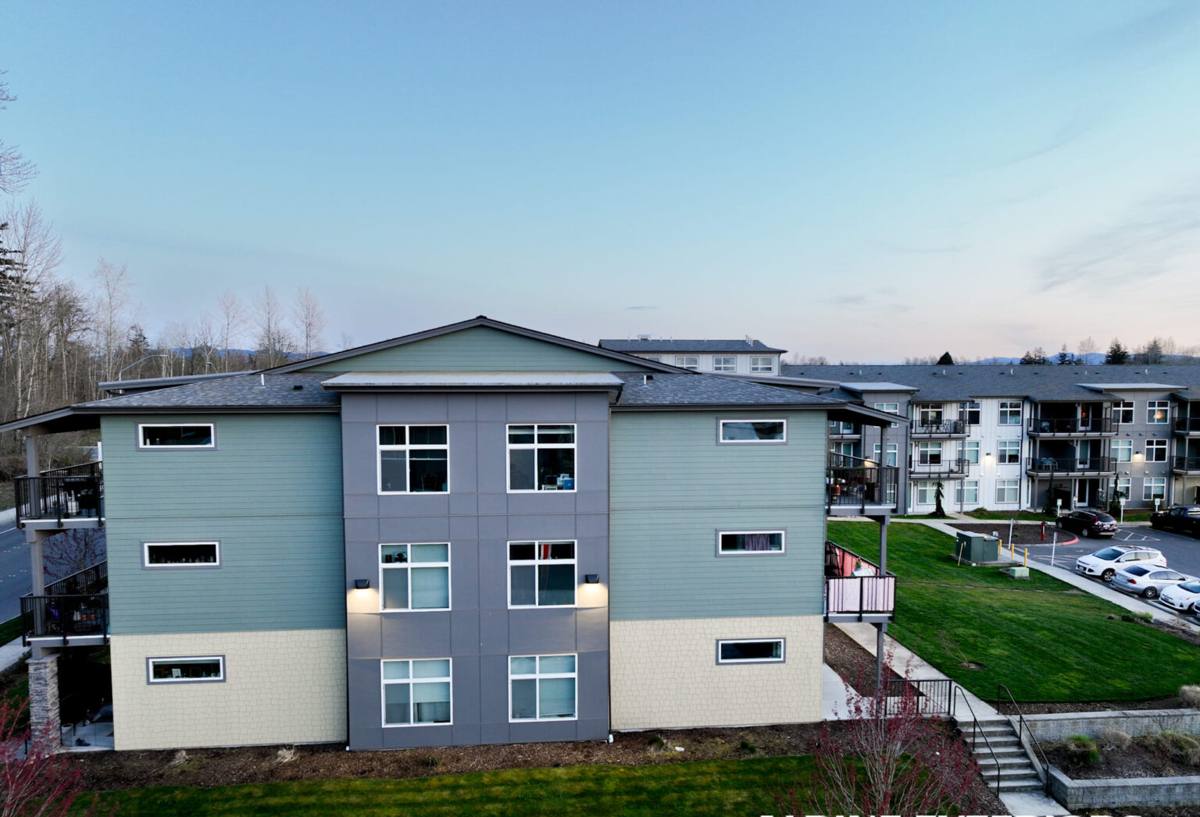
Signs Your Siding Needs Repair
Most siding problems on the island show up gradually, and homeowners often assume a little cracking or discoloration is just cosmetic. Frequently it isn't. Here's what we look for, and what you should watch for between inspections:
- Cracked, buckled, or warped panels, especially on the sides of the home that face prevailing wind and rain
- Soft or spongy spots when you press on the siding near the bottom courses or around window and door trim
- Visible gaps or separation at seams, corners, and trim joints where caulking has failed
- Persistent staining or dark streaking, which often signals water is tracking behind the siding rather than shedding off it
- Loose, rattling, or missing panels after a storm, or fasteners backing out and leaving small holes
- Bubbling, peeling, or chalky paint film, which points to moisture or UV breakdown under the finish
- A musty smell or interior wall staining, which can mean siding failure has already let water into the wall assembly
Any one of these is worth a professional look. On a barrier island, small gaps and soft spots don't stay small — wind-driven rain finds them fast, and salt-laden moisture accelerates rot and fastener corrosion once it's behind the cladding.
What Happens If Damage Goes Unaddressed
Once water gets past the siding's outer surface, it's dealing with wood sheathing, framing, and insulation that were never meant to get wet. On Anna Maria Island, where humidity stays high most of the year, trapped moisture doesn't dry out the way it might in a drier climate — it sits, and it does damage. What starts as a repair measured in square feet can turn into a repair measured in wall sections if it's left alone through even one more storm season.
What a Correct Siding Repair Job Actually Involves
Siding repair isn't just about making a damaged area look right again. Done properly, it's about restoring the whole water-management system the siding is part of. Here's what that means in practice:
Inspection Beyond the Visible Damage
We start by looking past the obvious crack or gap. Damage you can see is often a symptom of a problem that started somewhere else — a failed flashing detail, a caulk joint that gave out years ago, or a fastening pattern that never held up to island wind loads. We check the surrounding panels, the trim, and the flashing at windows, doors, and penetrations before deciding on a repair scope.
Moisture and Substrate Checks
Where there's been water intrusion, we check what's underneath. Repairing the visible siding while ignoring wet or compromised sheathing behind it just hides the problem temporarily. If we find substrate damage, we'll tell you plainly what we're seeing and what it takes to fix it right — we're not going to close up a wall over a problem that will resurface.
Matching Material and Profile
Mismatched repairs stand out and can create their own water-shedding problems if profiles or reveals don't line up. We match panel profile, exposure, and finish as closely as possible, and we're upfront when an exact match isn't available so you can decide whether to patch, repaint, or plan for a broader replacement down the line.
Fastening and Flashing to Spec
This is where a lot of repair work quietly fails on the island. Fasteners need to be corrosion-resistant and driven correctly for wind resistance, not just cosmetic hold. Flashing at trim, corners, and penetrations needs to actually direct water out and down, not just cover a gap. We install to manufacturer and code requirements for the region, not shortcuts that look fine until the next tropical system.
Repair or Replace? How We Make That Call
Not every siding problem needs a full replacement, and we're not going to sell you one if a targeted repair will hold up. But we also won't patch siding that's failing broadly just to avoid a harder conversation. Here's generally how we think through it:
| Situation | Likely Approach | Why |
|---|---|---|
| Isolated impact damage or a few cracked panels, siding otherwise sound | Targeted repair | Surrounding material and structure are still performing; a matched patch solves it |
| Recurring water staining or soft spots in multiple areas | Broader repair with substrate inspection | Points to a systemic flashing or installation issue, not a single failure point |
| Widespread cracking, delamination, or fastener failure across the home | Full or section replacement | Repair-by-repair patching won't outlast the underlying material fatigue |
| Original material is vinyl, wood, or an aging fiber cement product nearing end of life | Case-by-case; often replacement with James Hardie | Repeated repairs on failing material rarely make financial sense long-term |
We'll walk you through which category your home falls into and explain our reasoning — not just hand you a number.
Why James Hardie Is What We Recommend When Repair Isn't Enough
We install exclusively James Hardie fiber cement siding, and that shapes how we approach repair recommendations, too. If a home's existing siding — whether vinyl, wood, or another fiber cement product — is failing broadly rather than in isolated spots, we'll tell you honestly rather than stringing along a series of temporary patches. Fiber cement in Hardie's HZ product lines is engineered for high-humidity, high-UV climates like ours, it's non-combustible, and it carries a factory-applied ColorPlus finish designed to resist fading and hold up to coastal exposure far better than field-applied paint. It also carries a strong transferable warranty when installed to specification, which matters on a barrier island where every exterior product is working overtime.
We're not going to tell you every repair should turn into a full Hardie replacement — that's not honest, and it's not how we operate. But when we do recommend replacement over continued patching, it's because we've seen what holds up in this environment and what doesn't, and we'd rather be straight with you about it upfront.
Our Siding Repair Process
We keep the process straightforward and try to minimize disruption to your home:
- On-site inspection. We assess the damage, check surrounding areas and substrate condition, and identify the root cause, not just the visible symptom.
- Honest scope and estimate. You get a clear explanation of what needs to happen, why, and what it will cost — including whether repair or replacement makes more sense.
- Material sourcing and matching. We source matching or compatible panels and trim before work begins, so the job isn't held up mid-repair.
- Repair work. Damaged sections are removed, substrate issues are addressed if present, flashing and water management are corrected, and new material is fastened to spec.
- Finish and cleanup. Caulking, paint touch-up where applicable, and a full site cleanup so the repair looks intentional, not patched.
- Walkthrough. We review the completed work with you and answer any questions before we consider the job done.
Why Local Experience on Anna Maria Island Matters
A crew that mostly works inland jobs isn't necessarily prepared for what a barrier island throws at siding and at a repair crew. Salt exposure, wind exposure on a narrow strip of land between the Gulf and the bay, and the practical realities of working on island streets and older coastal homes all take familiarity to handle well. Crews who already work Anna Maria Island regularly know which failure patterns show up here again and again — deteriorated fasteners, flashing that was never detailed for wind-driven rain, and finishes that broke down years ahead of schedule under this sun and salt air. That experience shows up in faster, more accurate diagnosis and repairs that are built for the conditions they'll actually face, not generic conditions.
It also matters for permitting and code compliance. Manatee County and coastal construction requirements account for wind exposure that differs from inland standards, and repairs — especially larger ones — need to meet those requirements, not just look right.
What Siding Repair Typically Costs
Costs vary widely based on the extent of damage, the material involved, and whether substrate repair is needed, so we won't quote a number without seeing the job. In general terms, small isolated repairs tend to fall in the lower end of a broad range, while repairs involving multiple areas, hidden water damage, or substrate replacement cost more. The factors below drive most of that variation:
| Factor | Effect on Cost |
|---|---|
| Size and number of damaged areas | More area and more separate repair locations increase labor and material cost |
| Substrate condition | Wet or damaged sheathing behind the siding adds significant cost if found |
| Material match availability | Discontinued or hard-to-match products can add cost or push toward partial replacement |
| Access and building height | Second-story or hard-to-access areas require more equipment and time |
| Trim and flashing work involved | Correcting a flashing detail properly adds labor but prevents repeat failures |
We provide a written estimate after inspection so you know exactly what you're paying for and why.
Maintaining Your Siding After Repair
Once a repair is done, a little ongoing attention goes a long way toward making it last on the island:
- Rinse salt residue off exterior surfaces periodically, especially after windy or stormy stretches
- Inspect caulk joints at trim, corners, and penetrations once or twice a year and reseal as needed
- Trim back vegetation that holds moisture against the siding
- Check for loose or backed-out fasteners after major storms
- Address small issues — a hairline crack, a lifted piece of trim — before the next storm season rather than after
If you're seeing damage, staining, or loose siding on your Anna Maria Island home, we're happy to take a look and give you a straight assessment — no pressure, no upsell, just an honest read on what your siding needs. Request a free estimate using the form below and we'll schedule a time to come out.