 Bradenton Window
 Windows on Anna Maria Island Work Harder Than Windows Anywhere Else in Manatee County
A window installed three miles inland in Bradenton faces a different set of conditions than one installed on Anna Maria Island. Barrier island homes sit directly in the path of salt-laden air, take the brunt of wind-driven rain before it ever reaches the mainland, and get more direct sun exposure off the water on top of Florida's already brutal UV load. Add hurricane season, and you have a short list of conditions that will find every weakness in a window and its installation faster than almost anywhere else in the county.
This page is about one thing: doing window installation correctly on Anna Maria Island, for the homes that actually sit on it. Not a general overview of windows — what this specific environment demands, what a proper install looks like here, and why the details matter more on the island than they do a few miles away.
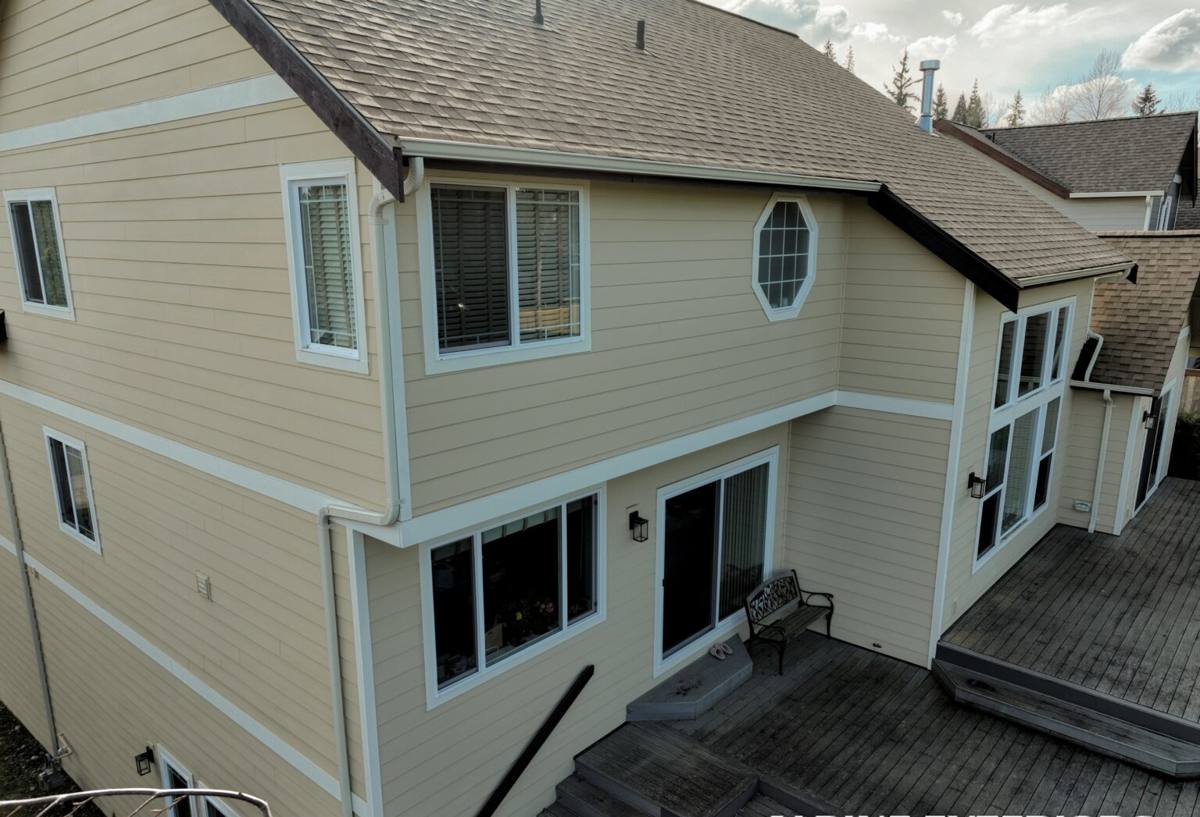
What Salt Air, Sun, and Storms Actually Do to a Window
Salt Air and Corrosion
Airborne salt settles on everything near the Gulf and the bay side alike, and it doesn't stay put — it works into hardware, tracks, and fasteners. Untreated or lower-grade metal components corrode faster here than inland, which is why hardware finish and frame material matter more on the island than they do for the same window installed a few miles east.
UV Exposure
Year-round sun breaks down seals, gaskets, and vinyl finishes over time. On the water, with reflected light off the Gulf and the bay adding to direct exposure, that breakdown happens faster. Cheaper vinyl and low-grade sealants show it first — chalking, discoloration, and seals that give out years before they should.
Wind-Driven Rain
Even outside of a named storm, Gulf-front and bay-front homes take wind-driven rain that pushes water sideways into a wall assembly, not just straight down. A window installed with inland techniques — light on flashing, minimal sealant redundancy — will eventually leak here even if it never would inland.
Hurricane-Force Wind and Windborne Debris
Anna Maria Island sits in a coastal wind zone where the Florida Building Code requires windows and their installation to be engineered for both wind pressure and windborne debris impact. That's not a suggestion — it drives what product you're allowed to install and how it has to be attached to the structure.
What a Correct Window Installation Involves Here
Getting a window "in the hole" is the easy part. Getting it installed so it performs for years on a barrier island involves a handful of steps that are easy to skip and hard to notice until something fails:
- Proper flashing and water management — every window opening needs a flashing detail that sheds water outward, not just caulk around the edges.
- Correct anchoring for wind load — fastener type, spacing, and embedment have to match the window's engineering and the wall substrate, not a generic pattern.
- Sealant compatible with the frame material and coastal exposure — not every sealant holds up to salt air and UV the same way.
- Shimming and leveling that respects the frame's design tolerances — an out-of-square install stresses the frame and can void the manufacturer's warranty.
- Interior and exterior finish work that doesn't trap moisture — sealing details that look fine but block drainage paths cause hidden rot.
Any one of these done wrong won't necessarily show up on install day. It shows up eighteen months later as a soft spot in the drywall, a window that won't latch cleanly, or water intrusion during the next heavy blow.
Impact-Rated vs. Non-Impact Windows on a Barrier Island
Most homes on Anna Maria Island are either required to use impact-rated windows under current code, or benefit enough from them that it's worth the conversation even where they're not strictly mandated on a given project. Here's how the two approaches compare for island homes specifically:
| Factor | Impact-Rated Windows | Non-Impact + Separate Shutters |
|---|---|---|
| Storm protection | Built in — no action needed before a storm | Only as good as the shutters and whether they get deployed in time |
| Daily UV and noise performance | Laminated glass cuts UV transmission and sound significantly | Standard glass — no added UV or sound benefit |
| Upfront cost | Higher per window | Lower window cost, but shutters add their own expense |
| Insurance impact | Often eligible for windstorm mitigation credits | Depends on shutter type and rating |
| Long-term maintenance | Frame and glass rated for coastal exposure | Shutters need their own upkeep and storage/deployment routine |
| Appearance | Clean, unobstructed view year-round | Shutters change the home's look when deployed or stored externally |
Neither option is automatically "the" answer for every house — it depends on the home's exposure, the homeowner's storm-prep routine, and budget. What matters is making that decision with accurate information about what's required for the property versus what's optional.
Frame Material Matters More Here
Vinyl, aluminum, and fiberglass all perform differently in salt air. Quality vinyl frames resist corrosion entirely since there's no metal to pit or pit-stain, but lower-grade vinyl can discolor and become brittle under sustained coastal UV. Aluminum is strong and slim-profile but needs a marine-grade or coated finish near the water to avoid pitting and white oxidation over time. Fiberglass holds up well to both UV and salt but comes at a higher price point. We'll walk through what fits the specific home rather than defaulting to one material for every job.
Permitting and Code on Anna Maria Island
Window replacement on the island goes through permitting in whichever jurisdiction the property sits in — Anna Maria, Holmes Beach, Bradenton Beach, or unincorporated Manatee County, each with its own permitting office even though they share the same barrier island. Requirements are tied to the Florida Building Code's wind and impact provisions for the property's specific wind zone and exposure category, which can vary based on how close a home sits to the water and its elevation. A licensed contractor pulls the permit, coordinates the required inspections, and makes sure the product installed actually carries the approval documentation (NOA or FL product approval) the inspector will ask for. Skipping this — or hiring someone who does — is one of the most common ways island homeowners end up with a window that fails an insurance inspection or a future home sale inspection.
Our Process for Island Window Installations
- On-site assessment — we look at existing window condition, wall assembly, and any signs of prior water intrusion before recommending anything.
- Product recommendation based on exposure — Gulf-front, bay-front, and interior-island lots don't all need the identical spec, and we'll explain why.
- Permitting — we handle the permit application with the correct jurisdiction and make sure the product documentation matches what's required.
- Removal and prep — old windows come out, and we inspect the opening for rot, corrosion, or framing issues before anything new goes in.
- Installation with coastal-appropriate flashing and anchoring — matched to the wind load and water-management needs of the specific opening.
- Inspection and walkthrough — we confirm the install passes any required inspection and walk the homeowner through operation and care.
Why It Matters That We Already Work This Island
A contractor who mostly works inland Bradenton and Manatee County subdivisions can still do fine work — but island jobs have logistics and code details that trip up crews who only see them occasionally: which jurisdiction's permitting office to file with, how ferry and bridge traffic affects scheduling, what wind exposure category applies on a given street, and how salt air changes material choice. A crew that's on Anna Maria Island regularly isn't guessing on any of that. It's the difference between a smooth install and one where problems surface later because a detail specific to the island got missed.
Signs Your Current Windows Need Attention
- Visible corrosion or white staining on aluminum frames or hardware
- Windows that are difficult to open, close, or lock properly
- Fogging or moisture between panes on double-pane windows
- Soft drywall, stains, or peeling paint around the window frame
- Noticeable air movement or drafts even when the window is closed
- Cracked, brittle, or discolored vinyl or gaskets
- No visible impact rating or NOA sticker on a home built or renovated before current code cycles
Any one of these on its own isn't necessarily urgent, but on an island property they're worth taking seriously sooner rather than later — small issues here tend to compound faster than they would inland.
After Installation: Keeping Coastal Windows Performing
Even a correctly installed, high-quality window benefits from basic upkeep in this environment. Rinsing frames and tracks periodically helps clear accumulated salt before it has a chance to sit and corrode hardware. Checking and re-caulking exterior sealant joints every few years — sooner than you would inland — keeps the water management system doing its job. And giving windows a visual check after any major storm, even if there's no obvious damage, catches small issues before the next one.
If you're on Anna Maria Island and dealing with aging, corroding, or underperforming windows — or you're planning ahead for storm season — we're happy to take a look and give you a straight answer on what your home actually needs. The estimate is free, there's no pressure, and you can use the form below to get started.