 Bradenton Window
 Storm Damage Roof Repair Built for Cortez
Cortez sits right up against the water in west Manatee County, tucked between the Cortez Bridge and Anna Maria Sound. That waterfront position is part of what makes the neighborhood special, and it's also exactly why roofs here take more abuse than roofs a few miles inland. Salt-laden air, open exposure to wind coming off the bay, and direct hits from tropical systems all land on Cortez roofs first and hardest. When a storm passes through, the damage isn't always obvious from the ground — and waiting to find out usually costs more than fixing it early.
This page covers what storm damage roof repair actually means for a Cortez home: what the local climate does to roofing materials, what a correct repair looks like, and how we approach the job when we're called out after wind or rain has done its damage.
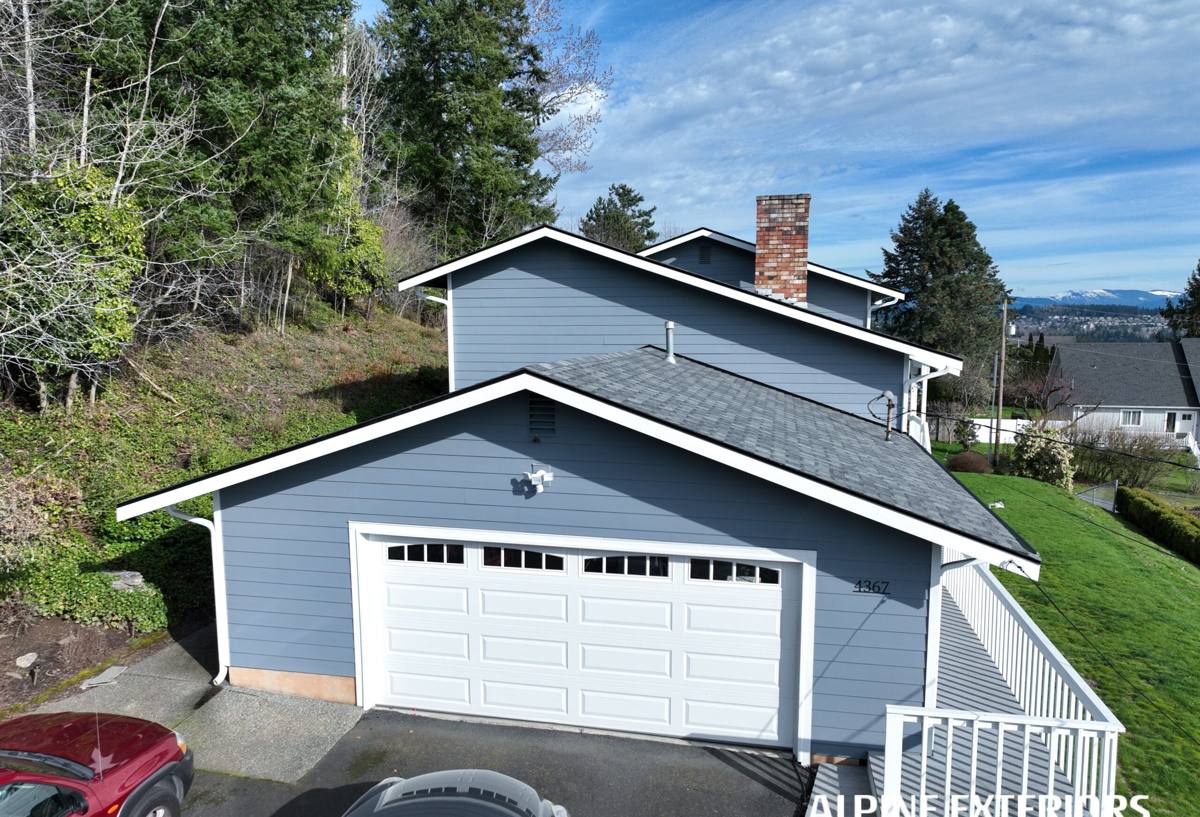
Why Cortez Roofs Take a Harder Hit
Every roof in the Bradenton area deals with Florida's climate, but Cortez's location adds a few extra layers of stress that homeowners further inland don't have to think about as much.
Wind and Wind-Driven Rain
Hurricane-force and tropical-storm-force winds don't just threaten to lift shingles or tiles — they drive rain sideways and even upward under roof edges, ridge caps, and flashing. A roof can look intact from the street after a storm and still be letting water into the attic through a lifted seam or a flashing joint that opened up under wind pressure. Cortez's open exposure to the bay means wind speeds during a storm are often higher, and more sustained, than what a shielded inland lot experiences.
Salt Air, Year-Round
Salt air is corrosive to metal fasteners, flashing, drip edge, and any exposed hardware on a roof. Over time it accelerates rust and weakens the connections that are supposed to hold a roof system together during high winds. A roof that's been exposed to salt air for years is more vulnerable to storm damage than an identical roof further inland, simply because the fasteners and flashing have already been quietly degrading.
Intense UV Exposure
Florida sun is hard on roofing materials even without a storm involved. UV exposure dries out and embrittles shingles, sealant, and underlayment over time. A roof that's already UV-aged goes into a storm with less flexibility and less sealant adhesion, which means it's more likely to suffer real damage from wind and rain that a newer roof would shrug off.
Put those three factors together — wind, salt, and sun — and you get roofs in Cortez that need storm damage assessed with more care, not less, even after what looks like a modest event.
What Counts as Storm Damage
Not all storm damage is a hole in the roof or missing shingles you can see from the driveway. Some of the most costly damage is the kind that isn't visible until water starts showing up inside the house. Here's what we look for on a Cortez storm inspection:
- Missing, cracked, or lifted shingles or tiles, especially along ridges, edges, and valleys
- Bent, lifted, or missing flashing around chimneys, vents, and roof-to-wall connections
- Granule loss on asphalt shingles (often visible as debris in gutters after a storm)
- Soft spots or sagging in the roof deck, which can indicate water has already gotten underneath
- Damaged or torn underlayment exposed where shingles or tiles have blown off
- Water stains, discoloration, or musty odor in the attic or on interior ceilings
- Debris impact marks — dents or punctures from tree limbs or wind-borne debris
- Loose or lifted drip edge, especially on windward-facing roof edges
If a storm has come through and any of these show up — or even if none of them are obvious but the wind was strong — it's worth having the roof looked at before the next rain event finds the weak spot for you.
What a Correct Storm Repair Actually Involves
A rushed storm repair is one of the most common ways homeowners end up paying for the same repair twice. A correct repair addresses the whole affected area, not just the spot that's leaking.
Start With the Deck, Not the Surface
If wind or water has gotten under the roofing material, the deck underneath needs to be checked for soft or delaminated plywood before anything new goes back on. Covering a compromised deck with new shingles or tile just hides the problem until it fails again.
Match the Underlayment to the Exposure
In a wind- and salt-exposed area like Cortez, we favor synthetic or self-adhering underlayment in vulnerable zones — valleys, eaves, and around penetrations — because it holds up better against wind-driven moisture than older felt products. This is a judgment call based on the specific roof and its exposure, not a one-size-fits-all upgrade.
Flashing Gets Replaced, Not Just Resealed
Flashing that's been bent or lifted by wind has usually also had its seal broken. Resealing it in place without replacing damaged sections is a shortcut that tends to fail in the next storm. Correct repair means replacing compromised flashing and properly integrating it with the surrounding roofing material.
Fasteners Matter More Here
Given how salt air affects metal over time, we use corrosion-resistant fasteners appropriate for coastal exposure. It costs a little more up front and matters a lot over the following years.
Our Storm Damage Repair Process
When we're called out to a Cortez home after storm damage, the process is straightforward and we walk you through it at every step:
- Inspection. We assess the full roof, not just the reported problem area, since wind damage rarely stays confined to one spot. This includes the attic where accessible, to check for water intrusion that isn't visible from outside.
- Documentation. We document what we find in detail — this matters both for your own records and for any insurance claim you may file.
- Honest scope of work. We tell you plainly what needs to be repaired now, what's worth monitoring, and what doesn't need touching. We're not going to sell you a full re-roof when a targeted repair will do the job correctly.
- Temporary protection if needed. If there's active exposure — an open section letting water in — we prioritize getting it weathertight before doing the full repair, especially if more rain is in the forecast.
- The repair itself. Deck inspection and repair as needed, correct underlayment, proper flashing replacement, and matching or compatible roofing material installed to manufacturer specifications.
- Final walk-through. We show you the completed work and explain what was done and why.
Repair vs. Replacement: What Actually Drives the Decision
Storm damage doesn't automatically mean a full roof replacement, but sometimes it does tip the scales, especially on a roof that was already aging. Here's how we think through it:
| Factor | Leans Toward Repair | Leans Toward Replacement |
|---|---|---|
| Age of existing roof | Roof is less than half through its expected service life | Roof is near or past the end of its typical service life |
| Extent of damage | Isolated to one section or a handful of areas | Widespread across multiple roof planes |
| Deck condition | Deck is solid where exposed | Deck shows rot or soft spots in multiple areas |
| Material availability | Matching shingles or tile are readily available | Discontinued material forces a mismatched or full-roof solution |
| Storm history | First significant damage event | Repeated storm damage over recent years |
We'll give you our honest read on where your roof falls on this table, along with the reasoning, so the decision is yours to make with real information in hand.
Storm Damage and Insurance Claims
If you're filing an insurance claim for storm damage, a few things are worth knowing going in. Insurers distinguish between storm damage and general wear-and-tear, so a well-documented inspection matters — adjusters are more likely to approve a claim when the damage is clearly tied to a specific weather event and thoroughly photographed. We're happy to provide our inspection documentation to support your claim, and to be present for an adjuster visit if that's useful to you. What we won't do is inflate a scope of work to chase a bigger payout — our documentation reflects what the roof actually needs, and that's the version that holds up if the claim is ever questioned.
Why a Crew That Already Works Cortez Matters
Roofing crews that work primarily inland don't spend much time thinking about salt-air corrosion, wind-driven rain patterns off open water, or the way UV and coastal humidity combine to age materials faster. A crew that regularly works Cortez and the surrounding waterfront parts of Manatee County has already seen how these conditions play out on real roofs over time — which flashing details tend to fail first, which fastener choices hold up, and which underlayment products actually perform in this specific exposure.
That local pattern recognition is what separates a repair that lasts through the next storm season from one that needs to be redone in a year. It also means we're not learning Manatee County's permitting and code requirements on your job — we already know what's required for the work to be done and inspected correctly.
A Quick Checklist Before You Call
- Note the date and general conditions of the storm event (useful for insurance)
- Look for water stains on ceilings or in the attic if it's safely accessible
- Check gutters and the ground around the house for granules or debris
- Take photos of any visible exterior damage from the ground — don't get on the roof yourself
- Avoid patch jobs with tarps or sealant that aren't meant to be permanent fixes
- Get an inspection before the next rain, even if damage seems minor
If a recent storm has you wondering whether your Cortez roof took damage, we're glad to take a look. We offer free, no-pressure estimates — just an honest inspection and a clear explanation of what we find, so you can decide what makes sense for your home. Fill out the form below to get started.