 Bradenton Window
 Building a Deck That Can Actually Handle Bayshore Gardens
Bayshore Gardens sits along the water in Manatee County, just outside Bradenton, and that waterside setting shapes what a deck needs to survive out here. A design that works fine inland can fail early on a canal-front or bay-adjacent lot where salt air, humidity, and storm exposure are part of daily life rather than an occasional event. We build custom decks for homes in this area regularly, and the projects that hold up long-term are the ones where the material choice, the hardware, and the structure were all selected for this specific environment — not just pulled from a standard build sheet.
This page is about one thing: custom deck construction for Bayshore Gardens homes, what the local climate demands, and how we approach the job so it lasts. If you're comparing decking options or trying to understand why one quote looks different from another, this should help.
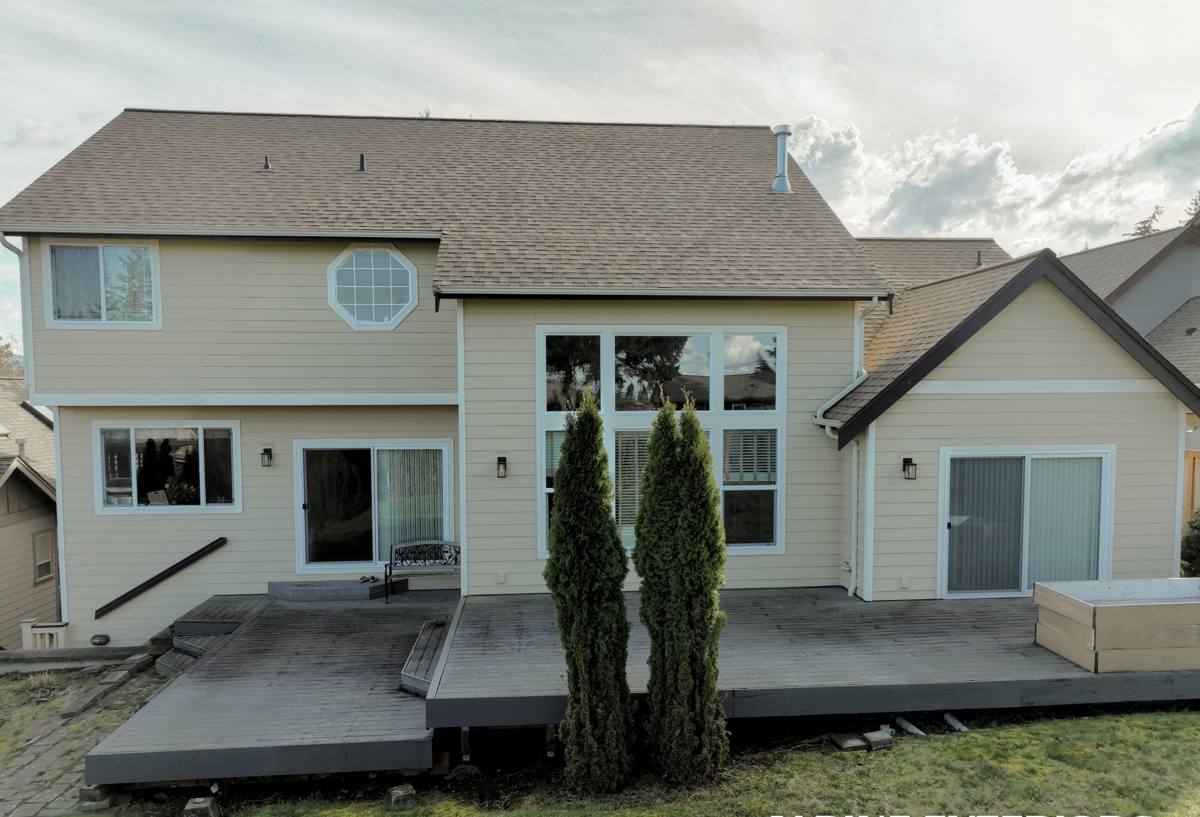
What Bradenton's Climate Actually Does to an Outdoor Deck
Manatee County's climate is hard on exterior wood and hardware in ways that aren't always obvious until a few years in. Understanding the specific stresses helps explain why certain materials and construction details matter more here than in other parts of the country.
Year-Round UV Exposure
Florida's sun is intense for most of the year, not just in summer. UV breaks down wood fibers, dries out natural oils, and fades or chalks the surface of lower-grade composite boards. Decking that isn't rated for high UV exposure will gray, splinter, or fade unevenly well before it's structurally worn out.
Hurricane-Force Wind and Wind-Driven Rain
A deck has to resist uplift and lateral load during tropical storms and hurricanes, and it has to shed wind-driven rain that gets pushed sideways and underneath railings and ledger boards. Water intrusion at the point where a deck attaches to the house is one of the most common failure points we see in this region.
Salt Air and Corrosion
Being near Sarasota Bay and the surrounding waterways means airborne salt travels further inland than most homeowners expect. Standard fasteners and connectors corrode faster here, and corroded hardware is one of the leading causes of premature deck failure — often long before the decking boards themselves show wear.
Humidity, Rot, and Wood-Destroying Insects
Consistent humidity keeps moisture trapped in end grain, fastener holes, and anywhere airflow is restricted underneath the deck. Combined with Florida's insect pressure, this is why proper ventilation and moisture-resistant materials matter more here than in drier climates.
Choosing the Right Decking Material for a Waterside Lot
There's no single "best" decking material — there's a best material for your budget, your maintenance appetite, and how exposed your lot is to salt air and moisture. Here's an honest breakdown of the main options we work with.
| Material | Moisture & Salt Resistance | Maintenance | Typical Lifespan |
|---|---|---|---|
| Pressure-Treated Pine | Good if sealed and re-sealed regularly | Annual cleaning, resealing every 1-2 years | 10-15 years |
| Tropical Hardwood (e.g., ipe) | Excellent natural density and rot resistance | Periodic oiling to maintain color, less structural upkeep | 20-30+ years |
| Capped Composite | Very good; the cap resists moisture and staining | Occasional washing, no sealing or staining | 25-30 years |
| PVC Decking | Excellent; fully synthetic, won't absorb water | Lowest maintenance of the group | 25-30+ years |
Wood costs less up front but asks more of the homeowner over time — skipping a resealing cycle in this climate shows up fast as graying, cracking, or soft spots. Composite and PVC cost more initially but hold up to salt air and humidity with far less attention. We'll walk through the honest trade-offs for your specific lot and budget rather than pushing one product as universally "better."
A Note on Fasteners and Connectors
Whatever decking material you choose, the hardware holding it together matters just as much. On or near the water in Manatee County, we use stainless steel or coated fasteners rated for coastal exposure rather than standard galvanized hardware, which can corrode and stain the decking within a few seasons.
The Structural Work That Doesn't Show
A good-looking deck surface can hide a poorly built substructure, and that's where most long-term problems start. The parts that matter most are the ones you won't see once the project is finished.
Footings and Framing
Footing depth and post spacing need to account for both the load the deck will carry and the wind uplift forces common during Manatee County storm season. We size footings and framing to current code requirements rather than the minimum that will pass a casual inspection.
Ledger Attachment and Flashing
Where a deck attaches to the house is the single most important connection on the entire structure, and it's also the most common place for water intrusion. Proper flashing keeps wind-driven rain from working its way behind the ledger board and into the home's structure over time.
Hurricane Connectors and Bracing
Metal hurricane ties, joist hangers, and diagonal bracing tie the deck frame together so it resists the lateral and uplift forces a tropical storm puts on an exposed structure. This is not optional in our region — it's the difference between a deck that stays put and one that doesn't.
Permits and Local Code
Manatee County requires permits for most new deck construction, and inspections check footing depth, structural connections, and railing safety. Railings generally need to meet minimum height and baluster spacing requirements to prevent falls. We handle the permitting process as part of the job so you're not left guessing whether the work will pass inspection.
Designing a Deck for Bayshore Gardens Lots Specifically
Bayshore Gardens homes often sit close to canals, open water, or low-lying ground, and that changes some of the design decisions compared to a typical inland Bradenton lot.
- Elevation and drainage: decks need to be built and graded so rainwater and storm surge runoff move away from the house foundation, not toward it.
- Airflow underneath: proper spacing and ventilation beneath the deck reduce trapped moisture in Florida's humidity, which slows rot and discourages insects.
- Shade and orientation: many homeowners here want a deck oriented to catch afternoon shade or water views without turning into an unusable hot surface at midday.
- Screening and enclosure options: some homeowners in this area add partial screening to manage insects common near water without fully enclosing the space.
- Proximity to seawalls, docks, or canals: any deck built near these features needs footings and setbacks planned around them, not layered on as an afterthought.
Every lot in Bayshore Gardens is a little different, which is why we design around your specific property rather than starting from a generic layout and adjusting later.
Our Process for a Bayshore Gardens Deck Build
- Site visit and assessment. We look at your lot's grade, sun exposure, proximity to water, and how the deck will connect to your home before recommending anything.
- Design and material selection. We walk through material trade-offs, layout options, and budget honestly so you know what you're choosing and why.
- Permitting and engineering. We handle the Manatee County permit process and any engineering documentation the design requires.
- Construction. Framing, hurricane bracing, ledger flashing, and decking installation are done in sequence with attention to the connections that don't show once the job is finished.
- Final walkthrough and inspection. We review the completed deck with you and make sure it passes any required county inspection before calling the job done.
Keeping a New Deck Sound in This Climate
A well-built deck still needs some ongoing attention in a coastal, humid climate. None of this is difficult, but skipping it shortens the life of even a well-built structure.
- Rinse off salt spray and debris periodically, especially on decks close to open water or canals.
- Inspect fasteners, joist hangers, and connectors once a year for early signs of corrosion or loosening.
- Reseal or restain wood decking on the manufacturer's recommended schedule — don't wait until it visibly grays.
- Check ledger flashing and any spots where the deck meets the house for signs of water staining or soft wood.
- Keep vegetation trimmed back from the underside and edges of the deck to maintain airflow.
- Clear leaves and debris from between boards so moisture doesn't sit trapped against the decking.
Why Hiring a Crew That Already Works Bayshore Gardens Matters
A deck contractor who works across the country will build to a generic code minimum. A crew that works Bradenton and Manatee County regularly knows the specific inspection expectations, the wind and flood considerations that apply to waterside neighborhoods like Bayshore Gardens, and which materials and hardware actually hold up here versus which ones look fine on a spec sheet but fail early in salt air. That local familiarity shows up in fewer surprises during permitting, fewer callbacks for water intrusion or corroded hardware, and a deck that's actually built for the conditions it will face rather than conditions somewhere else.
If you're planning a custom deck for your Bayshore Gardens home, we're happy to walk your property, talk through material and design options honestly, and give you a clear picture of what the job involves. Reach out for a free, no-pressure estimate using the form below.