 Bradenton Window
 Board & Batten on a Barrier Island Is a Different Job Than Board & Batten Inland
Board and batten has become one of the most requested siding looks in Bradenton and along the Gulf Coast — the vertical lines, the crisp shadow reveals, the coastal-cottage or modern-farmhouse feel it gives a home. On Anna Maria Island specifically, it's a look that fits the neighborhood. But an island home isn't exposed to the same conditions as one a few miles inland in Manatee County. Anna Maria Island sits directly on the Gulf, which means every wall is dealing with salt-laden air, near-constant humidity, sun exposure with almost no seasonal break, and the wind loads that come with being unprotected by any inland buffer. A board and batten installation that would hold up fine in a subdivision off SR-64 can fail years earlier on the island if the material and the installation details aren't matched to that exposure.
This page is about that specific combination: board and batten siding, on Anna Maria Island, done in a way that actually accounts for what the Gulf does to a house.
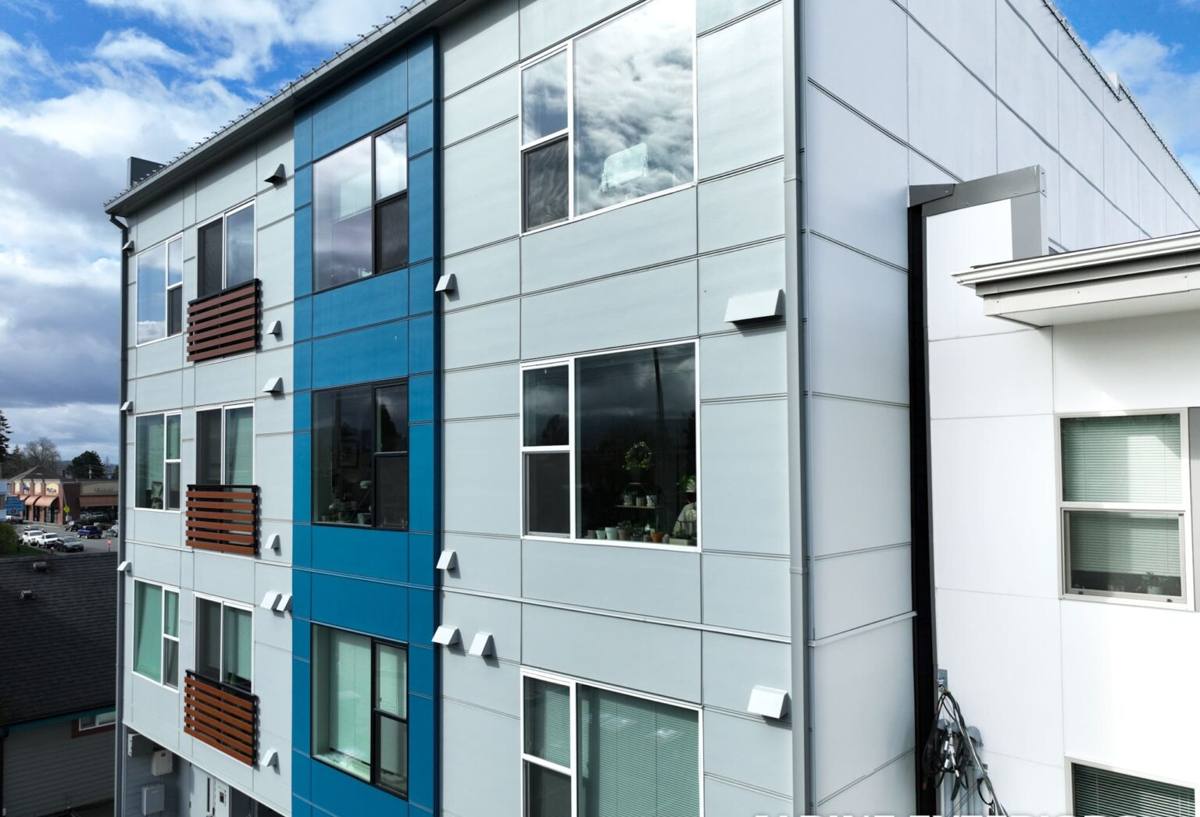
What the Island Climate Actually Does to Board and Batten Siding
Salt Air
Airborne salt settles on siding, trim, and especially fasteners. On wood and engineered wood products it accelerates moisture absorption at the surface. On lower-grade fasteners it drives corrosion, which shows up first as rust streaking bleeding down from nail heads — a common early failure point on board and batten because the battens themselves are typically face-nailed or blind-nailed in a way that puts more fastener heads in direct weather exposure than lap siding does.
UV Exposure
Florida sun is intense year-round, not seasonal, so a coastal home gets more cumulative UV load in five years than a lot of the country sees in ten. Field-applied paint on wood or engineered wood board and batten chalks and fades faster under that load, and vertical battens catch direct sun on a different angle than horizontal lap boards, so fading is often more visible and less even.
Wind-Driven Rain
Board and batten relies on the seams between boards and the battens covering those seams to shed water. On the island, storms don't just drop rain — wind drives it sideways and forces it up under laps and around trim that would stay dry in a calmer inland rain event. Any gap in the water-resistive barrier behind the siding, or any batten that isn't properly lapped and fastened, becomes an entry point.
Hurricane-Force Wind
Homes on Anna Maria Island are built to Florida's coastal wind-load requirements, and siding is part of that envelope. Fastener pattern, fastener type, and how the panels and battens are attached to structure all affect whether the siding stays put in sustained high wind and gusts — not just whether it looks good on a calm day.
Board and Batten Material Comparison for Island Exposure
| Material | Moisture Behavior | UV / Color Retention | Salt Air Durability | Typical Maintenance |
|---|---|---|---|---|
| Vinyl board & batten | Doesn't rot, but panels can warp or bow in sustained high heat and wind pressure | Fades and can go brittle over time in constant sun | Low corrosion risk itself, but trim fasteners still exposed | Low, but limited repair options once faded or warped |
| Engineered wood (wood-based composite) | Vulnerable at cut edges and seams if moisture gets behind the coating | Fair with factory finish, poor with field-applied paint | Moderate risk if edge sealing isn't maintained | Moderate — edge and seam inspection matters |
| Real wood (cedar/spruce) | Absorbs moisture readily; needs a sound paint film at all times | Poor without frequent repainting | Higher risk — salt accelerates checking and cupping | High — repaint cycle every few years on the coast |
| James Hardie fiber cement (HZ5) | Non-combustible, dimensionally stable, engineered for high-humidity climates | ColorPlus factory finish resists fading better than field paint | Doesn't rot, warp, or feed insects; corrosion risk isolated to fasteners | Low — periodic wash, caulk check, and fastener inspection |
What a Correct Board and Batten Installation Actually Involves
Board and batten looks simple from the street, but it has more seams, more fastener penetrations, and more trim detail than a standard lap job — which is exactly why installation quality matters more here, not less.
- A continuous, properly lapped water-resistive barrier behind the panels, with all penetrations and seams sealed before the first panel goes up
- Correct panel and batten spacing and fastening pattern matched to the manufacturer's wind-load engineering, not just "what looks even"
- Stainless steel or coated corrosion-resistant fasteners appropriate for coastal exposure
- Proper flashing at every horizontal transition — window heads, doors, roof-to-wall intersections, and any decorative band
- Batten placement that actually covers and protects the panel seam beneath it, not just decorative overlay
- Sealant only where the manufacturer specifies it, and only rated for exterior, UV, and coastal exposure — not general-purpose caulk
- Inside and outside corner details built to shed water rather than trap it
Skip any one of these and the failure usually doesn't show up in year one. It shows up in year four or five, as a stain, a soft spot, or a seam that's opened up — right around the time a homeowner assumes the siding should still look brand new.
Why We Install Only James Hardie for This Style
We don't install vinyl, LP SmartSide, Cemplank, Allura, primed spruce, or cedar. That's a standard we hold across every job, not just island work, but it matters even more on Anna Maria Island because the exposure is harsher and the margin for a product cutting corners is smaller. James Hardie's HZ5 product line is engineered specifically for high-humidity, coastal climates like ours. For board and batten, that typically means HardiePanel vertical siding paired with HardieTrim battens — a fiber cement system, not wood or wood-composite, so it isn't feeding on moisture the way organic materials do, and it isn't going to warp, cup, or rot at the seams the way engineered wood can if a seal fails.
ColorPlus factory finish is also part of why we standardized on Hardie: the color is baked on at the factory under controlled conditions, not brushed on outdoors, which gives it better UV resistance than field-applied paint and means the fade you'd expect from constant Gulf sun happens much more slowly. Add in a strong transferable warranty and a track record of holding up when installed to spec, and it's the product we're comfortable putting our name behind on a barrier island home.
Our Process for Anna Maria Island Board and Batten Projects
1. On-Site Assessment
We look at the existing wall assembly, current siding condition, window and door flashing, and any moisture or rot already present before we ever talk product or price.
2. Scope and Plan
We lay out panel and batten spacing, trim details, and color selection, and we account for the home's specific wind exposure and orientation to prevailing weather off the Gulf.
3. Tear-Off and Prep
Old siding comes off, the substrate gets inspected and repaired as needed, and the water-resistive barrier goes on correctly and completely before anything else happens.
4. Installation
Panels and battens go up to manufacturer spec — fastener type, fastener pattern, flashing, and sealant, all matched to coastal requirements.
5. Final Inspection
We walk the full exterior, check every seam, corner, and penetration, and confirm the job matches both the plan and the manufacturer's installation requirements.
Why a Crew That Already Works Anna Maria Island Matters
Anna Maria Island is a barrier island, reachable only by a couple of bridges, with tighter lots, closer setbacks, and logistics that are genuinely different from a mainland Bradenton job — material staging, parking, and scheduling around traffic all take more planning. A crew that already works the island isn't learning that on your job. They also know what the salt exposure actually does over time on this specific stretch of coast, because they've gone back and seen how their own past installs are holding up. That's different from a crew that does one island job a year and treats it like any other Manatee County house.
Permitting and inspection expectations on the island can also move faster with a contractor who already has a working relationship with local building officials and knows what documentation they'll want for a coastal exterior project. That's not a shortcut around the process — it just means fewer surprises and delays for the homeowner.
What Affects Board and Batten Pricing on an Island Home
| Factor | Why It Matters |
|---|---|
| Existing wall condition | Rot or moisture damage found at tear-off means repair work before new siding goes on |
| Board width and reveal pattern | Wider battens and closer spacing use more material and labor per square foot |
| Trim and corner complexity | Multiple gables, dormers, or architectural details add cutting and flashing time |
| Accessibility | Elevated homes, tight island lots, and limited staging space can affect labor time |
| Color and finish selection | ColorPlus factory finishes vs. field-applied paint affect both cost and long-term fade resistance |
Signs Your Current Board and Batten Siding Needs Attention
- Rust streaking running down from fastener heads
- Soft or spongy spots when you press on a board, especially near the bottom edge
- Cracking or splitting along battens or panel seams
- Paint that's chalking heavily or peeling in sheets rather than wearing evenly
- Gaps opening up where battens meet panels, or at corner trim
- Visible warping or bowing, especially on south- and west-facing walls
Any one of these on its own isn't necessarily an emergency, but on a Gulf-facing home they tend to compound quickly once wind-driven rain finds an opening.
Get a Straight Answer on Your Home
If you're weighing a board and batten look for a home on Anna Maria Island, we're glad to take a look and give you an honest assessment of what your walls actually need — no pressure, no upsell. Use the form below to request a free estimate.