 Bradenton Window
 Metal Roofing on a Barrier Island Isn't the Same Job as Metal Roofing Inland
Bradenton Beach sits right on the water, which means the roof over your head is doing a different kind of work than a roof a few miles inland in Manatee County. Open Gulf exposure brings stronger sustained wind, more direct salt air, and more relentless sun with almost nothing to break it up before it hits your house. A metal roofing system installed the same way you'd install it in a subdivision ten miles from the coast will not hold up the same way here. The panel choice, the fastening pattern, the flashing details, and even the metal coating all need to account for where the house actually sits.
This page is about metal roofing specifically for homes in and around Bradenton Beach — what the local climate demands, what a correctly installed system actually involves, and how we approach the job so it holds up rather than becoming a recurring maintenance problem.
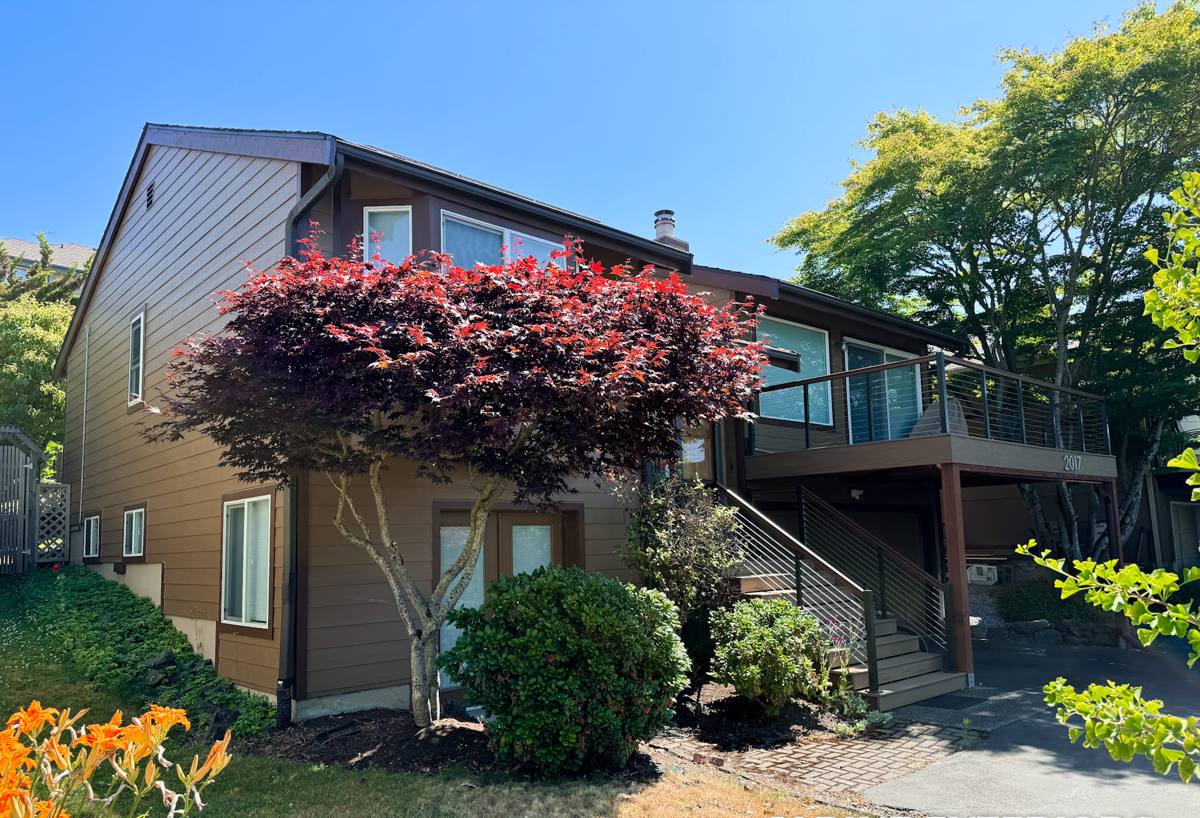
What Coastal Exposure Does to a Roof Over Time
Hurricane-Force Wind
Wind is the single biggest structural threat to any roof on this stretch of coast. It's not just the peak gusts during a named storm — it's the years of everyday coastal wind that work fasteners loose, flex panels, and stress seams long before a hurricane ever shows up. A roof that's marginal on wind resistance will show it first at the edges and corners, where uplift pressure concentrates.
Salt Air and Corrosion
Airborne salt doesn't need a storm surge to reach your roof — it's in the everyday breeze coming off the water. Salt accelerates corrosion on metal fasteners, exposed cut edges, and lower-grade coatings. Two roofs that look identical on install day can age completely differently depending on what alloy and coating actually went on the house.
Year-Round UV
Florida sun is intense and constant, not seasonal. UV breaks down sealants, degrades paint finishes, and — on materials that aren't built for it — causes fading, chalking, or brittleness well before the roof is structurally due for replacement.
Wind-Driven Rain
Rain that comes in sideways during a coastal storm doesn't behave like a normal rain event. It gets pushed up under panel edges, around penetrations, and into any gap a fastener or flashing detail leaves open. Underlayment and flashing quality matter more here than in most inland installations, because the roof has to resist water that's being pushed uphill, not just falling straight down.
Why Metal Roofing Is a Strong Fit for This Environment
Metal roofing isn't the right choice for every home or every budget, but for houses that take this kind of coastal punishment, it has real advantages when it's specified and installed correctly:
- High wind-uplift ratings are achievable with the right panel, fastening pattern, and clip system
- Non-combustible, which matters given how much lightning and dry-season risk this area sees
- Doesn't absorb water the way some roofing materials do, which limits rot and mold risk under the surface
- Reflects a meaningful amount of solar heat instead of holding it, which helps with attic temperatures and cooling load
- Long service life when the coating and fastener hardware are matched to a salt-air environment
The tradeoff is that metal roofing rewards a correct installation and punishes a sloppy one more than some other materials do. A poorly fastened metal roof in a high-wind coastal zone will fail faster than a poorly fastened asphalt roof would, because the panels are larger and the wind has more surface to grab.
Choosing the Right Metal Panel System
Not all metal roofing is the same product wearing different colors. The two main categories homeowners choose between are standing seam and exposed-fastener panels, and the difference matters more on a barrier island than almost anywhere else in the county.
| Factor | Standing Seam | Exposed Fastener |
|---|---|---|
| Fastener exposure | Concealed under the seam, not exposed to weather | Fasteners penetrate the panel face directly |
| Wind performance | Generally stronger uplift resistance with clip systems | Adequate when installed correctly, more fastener-dependent |
| Long-term maintenance in salt air | Lower — fewer exposed metal points for corrosion to start | Higher — gaskets and fastener heads need periodic checking |
| Typical upfront cost | Higher | Lower |
| Best fit | Full coastal exposure, long-term ownership | Budget-conscious projects, secondary structures |
Aluminum vs. Steel
Material choice matters as much as panel style this close to the Gulf. Aluminum doesn't rust and holds up very well against salt air, which makes it a common choice for homes with direct water exposure. Galvalume steel panels, when properly coated, also perform well and cost less, but they depend more heavily on an intact protective coating — any scratch or cut edge that isn't sealed becomes a place corrosion can start. We'll walk through which option makes sense for your specific site rather than defaulting to one material for every job.
What a Correct Metal Roof Installation Actually Involves
The panels themselves are only part of the system. Most metal roofing failures we see on coastal homes trace back to what's underneath or around the panels, not the panels themselves. A correct installation includes:
- Full inspection of the roof deck for soft spots, rot, or prior water damage before anything new goes on
- Self-adhered, high-wind-rated underlayment sealed at seams and penetrations to resist wind-driven rain
- A fastening or clip pattern matched to the wind uplift rating required for your specific location and roof geometry
- Corrosion-resistant fastener hardware suited to salt-air exposure, not generic hardware
- Properly formed flashing at valleys, walls, chimneys, and roof-to-wall transitions — this is where most leaks actually start
- Sealed penetrations for vents, stacks, and any roof-mounted equipment
- Adequate attic and roof ventilation so trapped heat and moisture don't undermine the deck from underneath
Skipping any one of these doesn't show up as a problem on day one. It shows up two or three years later as a leak, a lifted panel edge, or corrosion starting at a fastener head — and by then it's a repair job instead of a five-minute fix during installation.
How We Approach a Bradenton Beach Metal Roofing Project
The process is straightforward, but each step is where the coastal-specific decisions get made:
- On-site assessment. We look at your existing roof, deck condition, exposure direction, and any prior wind or water damage before recommending anything.
- System recommendation. Based on that assessment, we recommend a panel style, material, and coating suited to your home's actual exposure — not a one-size-fits-all package.
- Permitting. Coastal wind-load and building code requirements apply, and we handle the permitting process so the installed system is documented to meet what's required for your area.
- Installation. Deck repair or preparation first, then underlayment, flashing, and panels installed to the fastening pattern the wind rating calls for.
- Final walkthrough. We go over the completed roof with you, including what maintenance to expect and what to watch for over time.
What Drives the Cost of a Metal Roof Here
We won't quote a number without seeing the roof, but these are the factors that move the price up or down on most coastal metal roofing projects:
| Factor | Effect on Cost |
|---|---|
| Panel style (standing seam vs. exposed fastener) | Standing seam costs more upfront, less long-term maintenance |
| Material (aluminum vs. coated steel) | Aluminum typically costs more, resists salt corrosion inherently |
| Roof complexity (valleys, dormers, penetrations) | More cuts and flashing details increase labor |
| Deck condition | Rot or soft decking found during tear-off adds repair cost |
| Tear-off vs. install over existing roof | Tear-off costs more but is usually the right call on older coastal roofs |
Metal roofing generally costs more upfront than asphalt shingles. Over the life of the roof — especially in an environment this hard on materials — that gap narrows, since a correctly installed metal system typically outlasts shingle roofing by a wide margin and needs less frequent full replacement.
Living With a Metal Roof in Salt Air
Metal roofing is low-maintenance compared to most alternatives, but "low-maintenance" doesn't mean "no maintenance" this close to the Gulf. A simple routine keeps a coastal metal roof performing the way it's supposed to:
- Rinse accumulated salt residue off the roof periodically, especially after long dry stretches without rain
- Keep gutters and valleys clear so water doesn't pool against panel edges or flashing
- Have fastener heads and sealant at penetrations checked periodically rather than waiting for a visible leak
- After any major storm, have the roof looked at for lifted edges or displaced flashing before small damage becomes a leak path
Why Hiring a Crew That Already Works Bradenton Beach Matters
A metal roof installed correctly for an inland Manatee County home isn't automatically correct for a home a block from the water. Wind exposure, salt corrosion, and code requirements for coastal properties are all more demanding, and a crew that doesn't regularly work this specific environment can miss details that only show up as problems years later. Working with a contractor who already understands Bradenton Beach's conditions means the panel material, fastening pattern, and flashing details are chosen for the site you actually have — not adapted from a standard package built for somewhere calmer and drier.
If you're weighing metal roofing for a home in Bradenton Beach, we're happy to take a look and walk you through what your specific roof needs. There's no pressure and no obligation — just a straightforward assessment and an honest recommendation, using the form below to get started.