 Bradenton Window
 Cortez Decks Work Harder Than Most
Cortez sits right up against the water in Manatee County, and that location shapes what a deck out here has to survive. Salt-laden air moves off the bay and settles into every exposed joint, screw head, and cut end of lumber. Add Florida's year-round UV load, sudden wind-driven rain that gets up underneath railings and ledger boards, and the occasional hurricane-force gust that racks a structure sideways, and you have a recipe for decks that age faster than the same build would in a drier, inland climate. A deck that would need a first hard look at year twelve elsewhere might be showing real trouble by year six or seven in Cortez.
None of that means a deck here is destined to fail — it means it needs to be built and repaired with that environment in mind from the start. A repair that ignores salt exposure or storm loading is a repair that gets redone in a couple of years. That's the standard we hold every Cortez deck repair to.
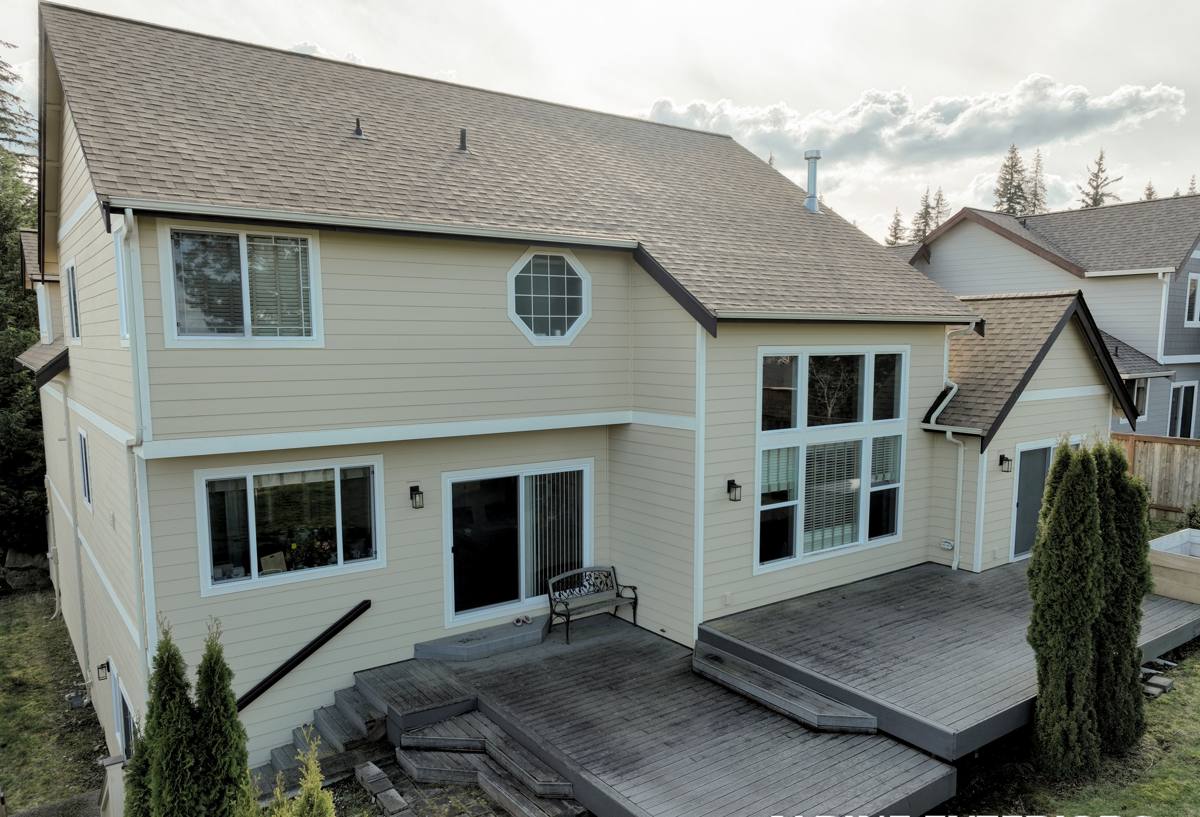
What Salt Air, Sun, and Storms Actually Do to a Deck
Salt Air and Metal Fasteners
Standard steel screws, nails, and joist hangers corrode faster near the water. Once a fastener starts rusting, it loses grip strength long before it visibly fails, which is how a deck can look fine on the surface while the connections holding it together are quietly weakening underneath.
UV and Wood or Composite Surfaces
Constant sun breaks down the lignin in wood fibers, leaving boards gray, splintered, and prone to cracking. Composite decking resists that better but isn't immune — lower-grade composite boards can fade unevenly and, in some products, become brittle at the surface over many years of direct sun.
Wind-Driven Rain and Hidden Rot
Rain that comes in sideways during a storm finds its way under railing caps, into ledger board connections, and around post bases — areas that never see rain in a normal downpour. That trapped moisture is what causes rot to start from the inside of a structural member, which is exactly why deck damage often looks worse once you open things up than it did from the surface.
Hurricane-Force Wind Loading
Every gust that racks a deck sideways puts stress on the connections between posts, beams, and the house itself. Repeated wind events loosen bolts and lag screws over time even when nothing catastrophic happens in any single storm — it's cumulative fatigue, not one dramatic event.
Signs a Cortez Deck Needs Repair, Not Just Cleaning
- Boards that feel spongy, soft, or give slightly underfoot
- Visible gaps, splitting, or checking along the length of deck boards
- Rust streaks running down from screws, bolts, or joist hangers
- A railing that wobbles or flexes when you lean on it
- Any gap or separation where the deck's ledger board meets the house
- Stairs that feel uneven, bouncy, or have a wobbly stringer
- Discoloration or a musty smell near post bases or under the deck
- Fasteners backing out or heads that have sheared off
Any one of these on its own might be minor. Several at once, especially near ledger connections or post bases, usually means the issue has moved past the surface and into the structure.
What a Correct Deck Repair Actually Involves
A repair that only replaces what's visibly broken often misses what caused the damage in the first place. Our approach starts below the decking, not at it.
Structural Framing First
Joists, beams, posts, and especially the ledger board connection to the house get checked before anything cosmetic happens. The ledger connection is one of the most common failure points on any deck attached to a home, and it's also one of the most dangerous to leave weak, since it's what keeps the whole structure from pulling away from the house.
Fastener Upgrades Where It Matters
In a salt-air environment, we don't replace corroded standard fasteners with more standard fasteners. Hot-dip galvanized or stainless connectors and structural screws cost more up front but hold up far longer against the kind of corrosion Cortez's coastal air causes.
Matching or Upgrading the Decking Surface
Depending on what's damaged and what the homeowner wants going forward, that can mean sistering in new pressure-treated boards, replacing sections with composite, or resurfacing an area entirely. We'll walk through the honest trade-offs of each rather than pushing whatever's easiest for us to install.
Railings and Stairs
These take direct wind and impact loading and are also the parts most likely to be a safety issue if they're loose. Any repair scope includes checking post-to-frame connections here, not just tightening what's visibly wobbly.
Repair Materials: How They Hold Up in a Coastal Climate
| Material | Salt Air Resistance | UV Behavior | Typical Maintenance |
|---|---|---|---|
| Pressure-treated pine | Good if fasteners are corrosion-resistant | Grays and can splinter without sealing | Reseal/stain every 1-2 years |
| Composite decking | Very good — doesn't rot | Fades gradually, more UV-stable long term | Periodic cleaning, no sealing |
| Cedar or tropical hardwood | Naturally rot-resistant but still needs sealed fasteners | Grays without treatment; holds up well if maintained | Oil or seal annually |
| Aluminum framing/railing | Excellent, does not rot or rust | Minimal UV degradation | Low — occasional cleaning |
There isn't a single "best" material for every Cortez deck — it depends on budget, how much upkeep the homeowner wants to do, and what's already in place. We'll give you a straight answer on what fits your situation instead of steering you toward one product line.
How We Handle a Cortez Deck Repair
- On-site assessment — we get under the deck, not just walk across the top of it, checking framing, ledger connections, and post bases directly.
- Honest scope — you get a clear picture of what's cosmetic, what's structural, and what can wait versus what shouldn't.
- Written estimate — material options and a real price range before any work starts, no surprise add-ons mid-job.
- Repair or rebuild the affected sections — using corrosion-resistant fasteners and connectors suited to a coastal environment.
- Final check — railings, stairs, and structural connections get tested, not just eyeballed, before we call it done.
Repair or Replace? What Actually Drives That Decision
| Factor | Leans Toward Repair | Leans Toward Replacement |
|---|---|---|
| Ledger board / framing condition | Solid, isolated damage | Widespread rot or corrosion at connections |
| Age of the deck | Under ~10-12 years | Original build well past its expected service life |
| Extent of damage | Limited to a few boards or a section | Damage spread across most of the structure |
| Code compliance | Meets current structural standards | Built to outdated bracing or fastening standards |
| Budget goals | Lower upfront cost, addresses current issue | Better long-term value if repair costs approach rebuild costs |
We'll tell you plainly if a repair is a short-term patch on a deck that's really due for a rebuild. It doesn't do you any good for us to fix boards on top of framing that won't hold up much longer.
Permits and Structural Standards
Manatee County requires permits for deck work that involves structural repairs, not just surface board replacement, and Florida Building Code sets requirements for things like railing height, baluster spacing, and connection hardware — standards that exist because of exactly the wind loads this region sees. When a repair touches framing, ledger connections, or structural posts, we handle it as code-compliant work, not a quick patch that skips inspection requirements. That protects you if you ever sell the home and need to show the work was done properly.
Why a Crew That Already Works Cortez Matters
A contractor who works this specific stretch of Manatee County regularly already knows what salt air does to fasteners over five years instead of guessing at it. That familiarity shows up in small decisions — which hardware grade to spec, where moisture tends to collect on a coastal-facing deck, how a structure typically ages here versus further inland — that a crew unfamiliar with the area might not think to account for. It also means a faster response after a storm, when a lot of homeowners in the same area need an assessment at the same time.
Keeping a Repaired Deck in Good Shape
- Rinse salt residue off the deck surface periodically, especially after storms
- Reseal or restain wood decking on a regular schedule rather than waiting for visible graying
- Check railing and post connections for looseness once or twice a year
- Keep gutters and drainage clear so water isn't directed onto or under the deck
- Have the structure looked at after any significant wind event, even if nothing looks obviously wrong
A repaired deck that gets this kind of basic attention will hold up far longer than one that's ignored until the next problem shows up.
If you're noticing soft spots, loose railings, or rust stains on a deck in Cortez, we're happy to take a look and give you a straight assessment — no pressure, no upselling. Use the form below to request a free estimate.