 Bradenton Window
 Cortez Homes Face a Tougher Climate Than Most
Cortez sits right up against the water in Manatee County, and that location cuts both ways. It's part of what makes the area special, but it also means homes here take a harder beating than siding just a few miles inland. Salt air rides in off the water daily, sun exposure is intense and constant, and when a tropical system tracks through the Gulf, wind-driven rain and hurricane-force gusts hit these homes first and hardest. Siding that would hold up fine in a landlocked subdivision can start failing years early here.
That's the reason we treat a Cortez siding job differently from a typical inland installation. The product has to be rated for it, and the installation details — fasteners, flashing, clearances — have to be done correctly, not just "to code minimum." We install exclusively James Hardie fiber cement siding, and on this page we'll walk through why that matters specifically for a home in this part of Bradenton, what a correct installation looks like, and what our process involves.
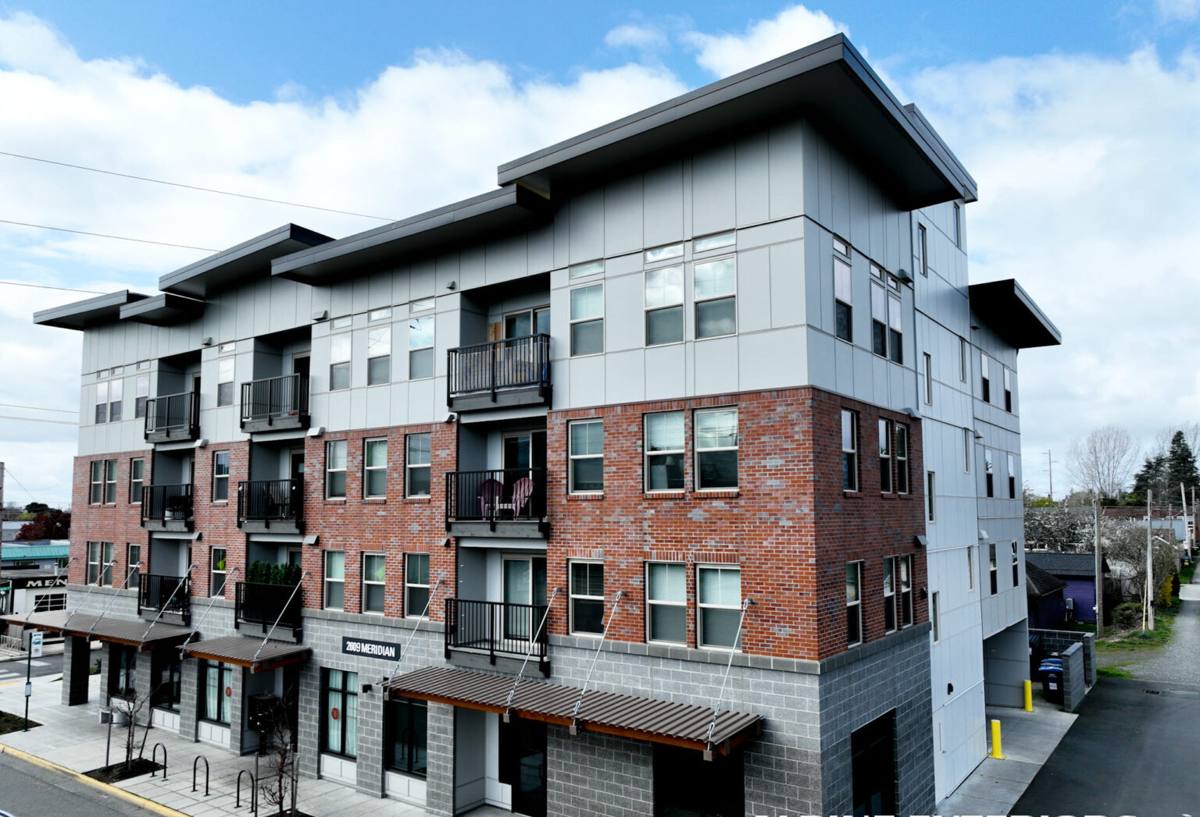
What Salt Air, Wind, and UV Do to Siding Over Time
Salt-Air Corrosion and Coating Breakdown
Airborne salt is corrosive to metal fasteners and hardware, and it's abrasive to painted or coated surfaces over time. Siding products that rely on a thin factory coating or a job-site paint job tend to chalk, fade, and lose their protective layer faster in a salt-exposed environment. Once that outer layer degrades, whatever's underneath — wood fiber, foam, or untreated substrate — is exposed to moisture it wasn't designed to handle.
Wind-Driven Rain and Moisture Intrusion
Bradenton and the surrounding Gulf coast see rain that doesn't fall straight down during a storm — it drives sideways into walls under wind pressure. Any siding system with weak seams, poor overlap, or gaps around windows and penetrations will let water behind the cladding eventually. Once moisture gets behind siding and can't dry out, it leads to rot, mold, and structural damage that's far more expensive to fix than the siding itself.
Hurricane-Force Wind Loads
Manatee County homes are built to wind-load standards for a reason. Siding attachment has to be engineered for uplift and lateral pressure, not just nailed on loosely. Under-fastened or improperly spaced siding is one of the more common causes of storm damage we see — not because the product failed, but because the installation wasn't done to the standard the climate actually demands.
Why We Install Only James Hardie Fiber Cement
We don't install vinyl siding, LP SmartSide, Cemplank, Allura, or unprimed wood siding like cedar or spruce. That's not a marketing position — it's a standard we hold because of what we've seen these products do, and not do, in a climate like this one. Vinyl softens and can distort in intense heat and is more vulnerable to wind damage in high gusts. Engineered wood products depend heavily on maintaining an intact factory coating; once that's compromised, the wood-based core is exposed to exactly the kind of moisture this region delivers. Untreated or primed-only wood siding demands a repainting and caulking schedule most homeowners don't want to keep up with, especially near salt air.
James Hardie fiber cement is non-combustible, dimensionally stable in heat and humidity, and holds its factory-applied ColorPlus finish far longer than a field-painted product. It doesn't rot, and it isn't a food source for pests. None of that means it's maintenance-free or installation-proof — fiber cement still needs to be installed correctly to perform — but it gives us a product built for the punishment this specific location delivers, rather than one we're constantly explaining trade-offs around.
Choosing the Right Hardie Product Line for a Waterfront Manatee County Home
James Hardie engineers its siding by climate zone, and homes in this part of Florida fall into the HZ5 category — the line formulated for high heat, high humidity, and moisture exposure rather than the freeze-thaw formulation used up north. For a Cortez home, that HZ5 engineering isn't optional; it's the baseline we start from.
From there, the decision is mostly about look and profile. HardiePlank lap siding is the most common choice for a clean, traditional exterior and comes in several exposure widths. HardieShingle gives a coastal cottage look that suits a lot of homes in this area without sacrificing the durability of fiber cement. HardieTrim finishes out corners, fascia, and window and door surrounds so the whole exterior — not just the field siding — is built from the same climate-rated material. ColorPlus finishes come pre-baked on at the factory in a range of colors engineered to resist fading from constant UV exposure, which matters more here than almost anywhere else in the state.
What a Correct Installation Actually Involves
Weather-Resistive Barrier and Flashing
Before a single piece of siding goes up, the wall needs a properly lapped weather-resistive barrier and correctly integrated flashing around every window, door, and penetration. This is the layer that actually keeps wind-driven rain out if water gets past the siding's outer surface — and it's the step that's easiest to rush and hardest to inspect once the siding is on.
Fastening for High-Wind Coastal Zones
Fastener type, spacing, and embedment all have to match the wind zone the home sits in, not a generic national minimum. We follow James Hardie's fastening specifications for high-wind regions, which typically means tighter fastener spacing and specific nail or screw types rated for the exposure. This is the detail that determines whether siding stays put in a serious wind event.
Clearances, Caulking, and Finish Work
Fiber cement siding needs proper clearance from grade, roofing, and decks so it isn't sitting in standing water or trapped moisture. Butt joints, trim intersections, and penetrations need to be caulked with a product rated for the assembly, not just whatever's on the truck. Skipping these details doesn't show up as a problem on installation day — it shows up two or three years later as a callback.
Cost Factors for a Cortez Siding Project
Every home is different, so we don't publish blanket pricing, but these are the main factors that move a siding estimate up or down for a home in this area:
| Factor | Why It Matters Here |
|---|---|
| Home size and wall complexity | More corners, dormers, and penetrations mean more cutting, flashing, and labor time |
| Existing siding removal | Tear-off and disposal of failing siding adds time versus installing over new construction sheathing |
| Substrate and moisture repair | Salt-air and storm exposure sometimes means hidden sheathing damage isn't visible until old siding comes off |
| Product line and profile | HardiePlank, HardieShingle, and trim packages carry different material costs |
| Color and finish | Factory ColorPlus finishes cost more up front than field-painted options but eliminate a repaint cycle |
| Wind-zone fastening requirements | Correct high-wind fastening schedules take more labor time than minimum-code installation |
Our Process, Start to Finish
- Free on-site inspection and estimate, including a look at current siding condition and any underlying moisture or substrate issues
- Product and color selection from the James Hardie lineup, matched to the home's style and this climate's demands
- Written estimate outlining scope, material, and timeline before any work begins
- Removal of existing siding where needed, with substrate inspection and repair before new material goes up
- Installation of weather-resistive barrier, flashing, and James Hardie siding to manufacturer specifications for this wind zone
- Final walkthrough so you can see the finished work and ask questions before we consider the job done
Why Local Experience in Cortez Matters
A crew that already works in and around Cortez knows the practical realities of building here — the wind-zone requirements that apply to Manatee County homes, the way salt air and humidity behave against a wall over the course of a year, and what actually goes wrong when a previous installation cut corners. That's different from a crew that installs siding all over the state and treats every job the same way regardless of location. Local experience shows up in the small decisions: fastener choice, flashing detail, how tight the schedule is around storm season.
It also matters for accountability. A contractor working in your neighborhood regularly has a reputation to protect there, and is easier to reach if a question comes up after the job is finished.
Signs Your Current Siding Is Already Failing
If you're not sure whether your home's siding needs attention, these are the warning signs we see most often on homes in this area:
- Visible warping, buckling, or gaps between siding panels
- Soft or spongy spots when you press on the siding, especially near the bottom edge
- Paint or coating that's chalking, peeling, or fading unevenly
- Staining or streaking that suggests water is tracking behind the siding rather than off it
- Visible mold, mildew, or a persistent musty smell along exterior walls
- Loose panels, popped fasteners, or sections that shifted after a windstorm
- Wood rot or insect damage around trim, corners, or window surrounds
Any one of these on its own might be minor. Several together usually mean the siding system as a whole is past the point of patching.
If you're seeing any of these signs on a Cortez home, or you're planning ahead before the next storm season, we're happy to take a look and give you a straightforward, no-pressure estimate — just fill out the form below.