 Bradenton Window
 Siding Repair in Cortez: A Different Job Than Inland Repair
Cortez sits right on the water in Manatee County, and that changes what "siding repair" actually means. A siding repair call in an inland Bradenton neighborhood is often about a single impact point or a section of trim that came loose. A repair call in Cortez is usually about cumulative exposure — salt-laden air, direct sun off the water, and wind-driven rain that finds every gap in flashing and caulk. We treat these as different jobs because they are different jobs, and a crew that doesn't work the waterfront regularly can miss what's actually going on underneath the surface damage.
This page covers siding repair specifically for Cortez and the immediate surrounding waterfront areas of Bradenton — what the climate does to siding here, what a repair should actually include, and how our process works from first call to finished wall.
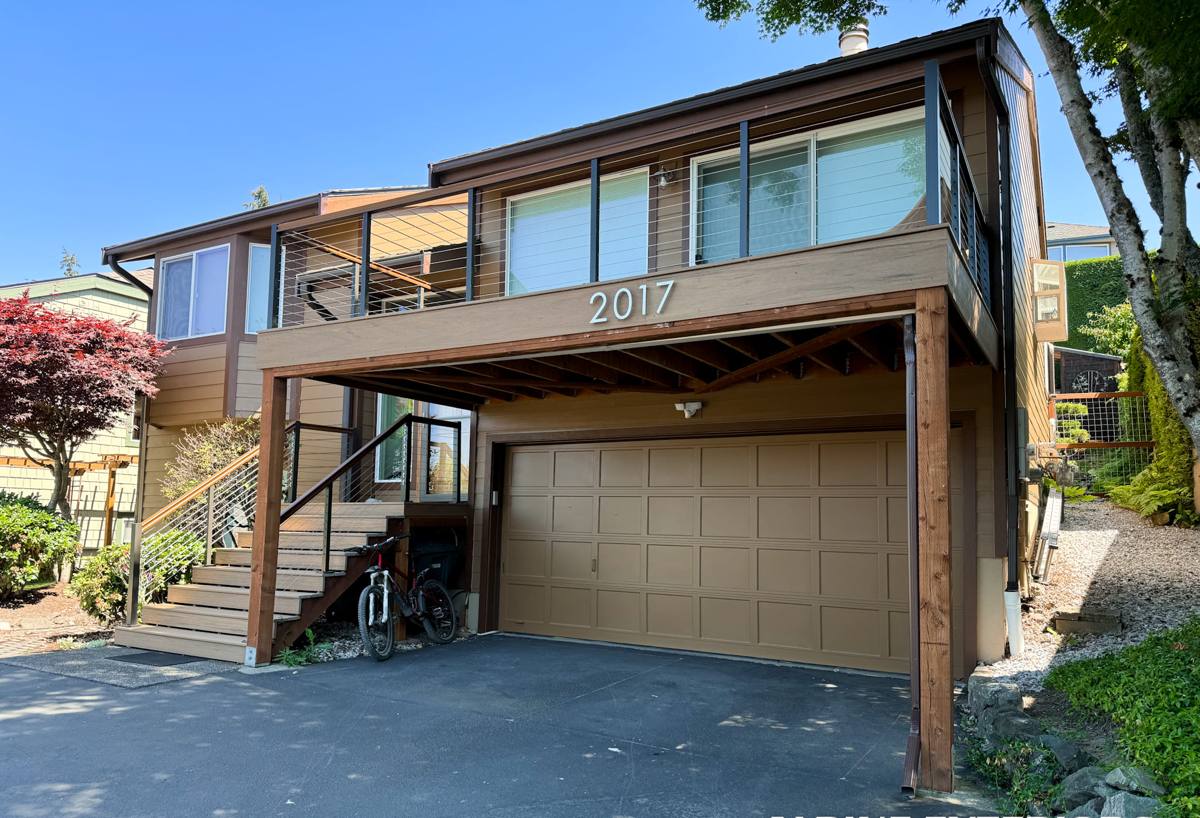
What Coastal Exposure Does to Siding
Homes near Cortez deal with a combination of stresses that inland homes see in a much milder form:
- Salt air corrosion — airborne salt accelerates the breakdown of fasteners, trim, and caulk joints, and it's harder on lower-quality materials and exposed metal than most homeowners expect.
- Wind-driven rain — storms off the Gulf and the bay don't just fall straight down; rain gets pushed sideways into joints, seams, and anywhere flashing was installed short-cut the first time.
- Intense, near-constant UV — Florida sun year-round fades paint, dries out caulk, and stresses any siding material that wasn't engineered with a factory finish built for this climate.
- Hurricane-force wind events — even siding that survives a storm intact can end up with loosened fastening, lifted edges, or hairline gaps that don't show damage until the next heavy rain gets behind the panel.
None of this means siding in Cortez is doomed to fail early. It means repairs have to be diagnosed correctly, not just patched at the visible spot, or the same failure comes back in a season or two.
Signs a Cortez Home Needs Siding Repair
Visible Damage
Cracked or split panels, holes from storm debris, buckled or bowed sections, and areas where paint is peeling in a pattern that follows seams rather than just sun exposure are the obvious calls. These are usually straightforward to diagnose because the damage points directly at the cause.
Less Obvious Warning Signs
The repairs that matter most are often the ones a homeowner almost didn't call about:
- Soft or spongy spots when you press on the siding near the bottom edge or around window and door trim
- Discoloration or staining that shows up below a seam, corner, or penetration (hose bibs, vents, light fixtures)
- Caulk that has pulled away, cracked, or shrunk at joints and trim lines
- A musty smell near an exterior wall inside the home, which can point to moisture intrusion behind the siding
- Fastener heads showing rust streaks, which usually means the fastener itself is compromised
Any one of these, caught early, is a repair. Left alone through another storm season, several of them turn into sheathing damage and a much bigger job.
What a Correct Siding Repair Actually Involves
A repair that just patches the visible symptom is not a repair — it's a delay. Done correctly, siding repair in a coastal area like Cortez involves several steps that don't skip the parts you can't see once the wall is closed back up:
1. Moisture and Substrate Inspection
Before anything gets cut or replaced, we check what's happening behind the siding at and around the damaged area. Wind-driven rain that got behind a panel doesn't always stop at that panel — it can travel along house wrap or framing before showing a visible sign. Repairing the surface without checking the substrate underneath is how the same problem reappears months later.
2. Correct Removal
Damaged sections are removed cleanly, without disturbing more of the surrounding siding than necessary, but also without leaving compromised material in place just to save a cut. If flashing, house wrap, or fastening in that section is also failing, that gets addressed at the same time — patching new siding over old, failed flashing just moves the failure point.
3. Matching Material and Finish
This is where coastal repairs commonly go wrong with the wrong material choice. We repair using James Hardie fiber cement, matched to the existing ColorPlus factory finish where the home already has Hardie siding installed, so the repaired section weathers the same way as the rest of the wall instead of fading or aging differently over time.
4. Correct Flashing and Fastening
Every seam, joint, and penetration point in the repaired section gets flashed and fastened to manufacturer spec — not just caulked over. In a wind-driven-rain environment, flashing detail is what actually keeps water out; caulk is a secondary line of defense, not the primary one.
5. Finish and Quality Check
The repaired area is finished, sealed, and inspected before we call the job done, checking that the patch is flush, properly fastened, and won't stand out as an obvious repair once painted or color-matched.
Why James Hardie Repairs Hold Up Better Near the Water
We install and repair exclusively with James Hardie fiber cement siding, and that choice matters even more in a place like Cortez than it does further inland. Fiber cement doesn't absorb and swell with moisture the way wood-based products can, it's non-combustible, and Hardie's HZ5 product line is engineered specifically for climates with heavy rain and humidity exposure — which describes coastal Manatee County about as well as any spec sheet can. The ColorPlus factory finish is also baked to resist the fading that raw Florida UV causes on field-painted surfaces, which means a color-matched repair actually stays matched instead of drifting apart from the rest of the wall within a year or two.
We don't install vinyl, LP SmartSide, Cemplank, Allura, or primed wood siding, and we're upfront about why: in a high-UV, high-salt, storm-exposed environment, those products carry trade-offs in moisture behavior, maintenance burden, or long-term appearance that we're not willing to put our name behind. Hardie isn't the cheapest option on the shelf, but it's the one we trust to hold up correctly repaired, not just newly installed.
Repair or Replace? How We Make That Call
Not every damaged section needs full replacement, but not every repair candidate should stay a repair either. Here's how we generally evaluate it:
| Factor | Usually a Repair | Usually Points to Replacement |
|---|---|---|
| Extent of damage | Isolated to one or a few panels/sections | Spread across multiple walls or elevations |
| Substrate condition | Sheathing and framing behind the damage are sound | Rot or water damage found in the substrate |
| Age of existing siding | Siding is well within its service life | Siding is near or past expected lifespan |
| Cause | Storm impact, isolated flashing failure, one-time event | Systemic issue — original install defects, chronic moisture intrusion |
| Match feasibility | Existing material/color can be matched cleanly | Discontinued product or finish that can't be matched |
We'll always tell you honestly which category your home falls into. A repair that's going to fail again in a year isn't a good use of your money, and a full replacement isn't the right call for damage that's genuinely contained.
Our Process, Start to Finish
- Initial inspection — we look at the visible damage and check the areas around it, including trim, flashing, and any adjacent sections showing early wear.
- Honest diagnosis — you get a clear explanation of what's causing the damage, not just what it looks like on the surface.
- Written estimate — scope, materials, and cost laid out before any work starts, no surprises added mid-job.
- Repair work — removal, substrate check, correct flashing, matched Hardie material, proper fastening.
- Final walkthrough — we check the repair with you before considering the job complete.
Why a Crew That Already Works Cortez Matters
Siding repair in a coastal Manatee County community isn't the same trade as siding repair forty miles inland, and the difference shows up in the details: knowing which flashing details actually hold up against wind-driven rain off the water, recognizing early corrosion signs on fasteners before they become structural, and understanding how salt air and UV exposure compound each other on a wall that faces open water versus one that's more sheltered. A crew that regularly works Cortez and the surrounding waterfront has already seen how these homes age and fail, and diagnoses repairs faster and more accurately because of it. That local pattern recognition is worth more than it sounds like on paper — it's the difference between a repair that gets it right the first time and one that gets revisited after the next storm season.
After the Repair: Keeping Coastal Siding in Good Shape
A correct repair buys you time, but a few habits stretch that further in a salt-air environment:
- Rinse siding periodically to clear salt residue, especially on walls facing open water or prevailing wind
- Walk the exterior after any significant storm and look for lifted trim, new gaps, or fresh staining
- Keep gutters and downspouts clear so runoff isn't sheeting down the siding face
- Re-caulk trim and penetration points on a regular schedule rather than waiting for visible failure
- Have any soft spots or discoloration checked promptly — small moisture problems stay small if caught early
Get a Free, No-Pressure Estimate
If you're seeing damage, discoloration, or soft spots on your Cortez home's siding, it's worth having it looked at before the next storm season adds to the problem. We'll give you a straight answer on what's actually going on, what it takes to fix it correctly, and whether that means a repair or something more — no pressure, no upsell. Use the form below to request a free estimate.