 Bradenton Window
 Building a Deck That Actually Belongs on the Gulf Coast
Outdoor living is a big part of why people love Palmetto. Mornings on the back deck with coffee, evenings grilling with the river breeze coming through — a deck extends the house into all of that. The problem is that a lot of decks built in this part of Manatee County were built like they belong somewhere else: a mild-climate frame with mild-climate fasteners and a mild-climate finish, none of which were built to stand up to what this coast actually throws at a structure. Within a few years, boards cup, screws bleed rust, and a deck that looked great at handoff starts looking tired and, worse, starts failing where it matters — the connections that hold it to the house and the ground.
A deck built correctly for Palmetto isn't a different-looking deck. It's the same deck, built with different assumptions from the footings up. That's the difference we build into every project.
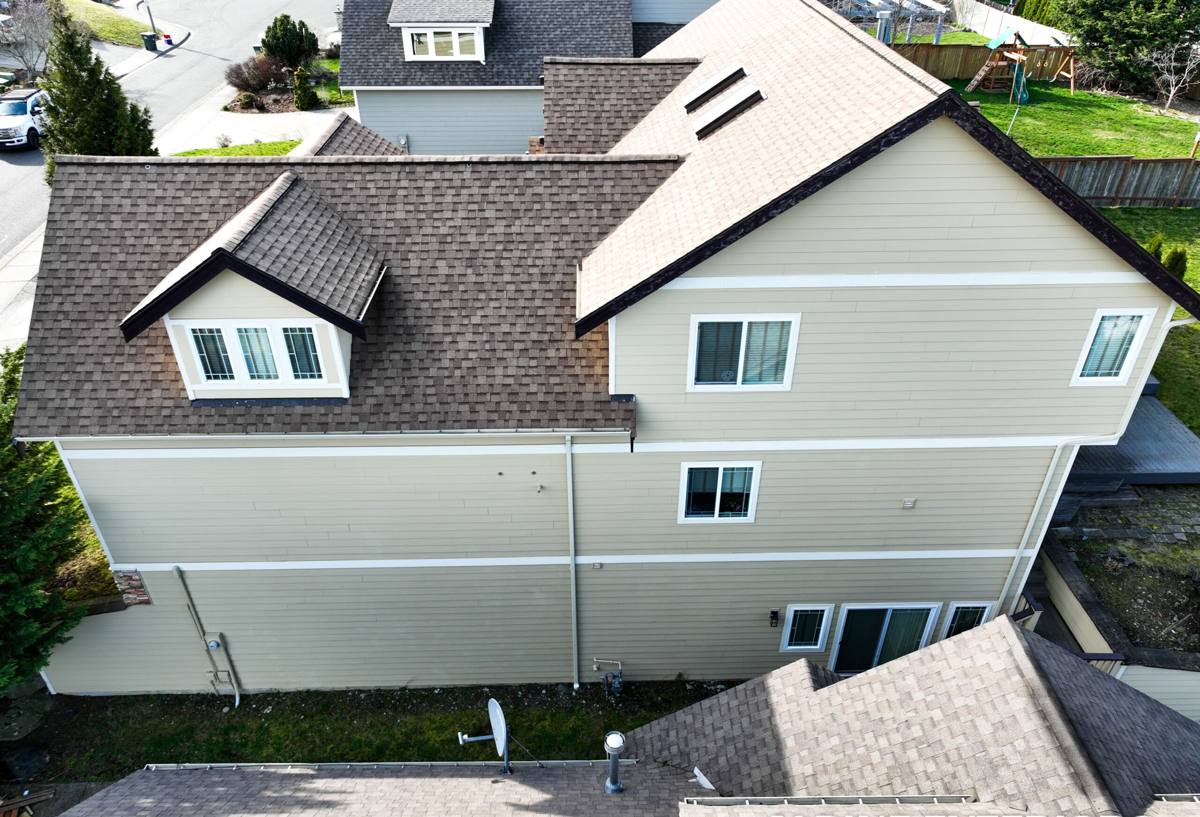
What Palmetto's Climate Does to an Ordinary Deck
Every material decision on a Gulf Coast deck traces back to four things this region deals with that a lot of the country doesn't have to think about at all:
- Hurricane-force wind: A deck attached to a house is a lever. Wind doesn't just push on it — it pulls up on railings, ledger connections, and footings during a storm, and a structure sized only for its own weight can come loose exactly when you need it not to.
- Intense, year-round UV: Florida sun breaks down wood fibers, fades finishes, and dries out sealants faster than almost anywhere else in the country. A coating schedule that works in a milder climate falls short here.
- Wind-driven rain: Storms here don't just drop rain straight down — they push it sideways, into ledger boards, under flashing, and into any gap in the framing that wouldn't matter in a calmer climate.
- Salt air: Even away from the immediate waterfront, salt-laden air moves inland and accelerates corrosion on fasteners, brackets, and any exposed metal hardware.
None of these are exotic problems — they're the normal operating conditions for a deck in this area. The mistake isn't building a deck here; it's building one without accounting for them.
Getting the Structure Right From the Ground Up
Footings Sized for Uplift, Not Just Weight
A deck footing has to do two jobs: hold the deck up, and keep it from being lifted or racked in high wind. Footing depth, diameter, and post connection all get sized around the wind loads the Florida Building Code requires for this region, not just around how much weight the deck will carry day to day. This is one of the areas where corners get cut on budget builds, because undersized footings don't fail on a calm day — they fail during the one event you're counting on the deck to survive.
Ledger Attachment and Flashing
The ledger board — where the deck bolts to the house — is the single most common point of failure on decks nationwide, and wind-driven rain makes it worse here. Proper flashing keeps water from working its way behind the ledger and into the house rim joist, where it rots quietly for years before anyone notices. We flash this connection the way it should be done every time, not as an upgrade.
Fasteners and Connectors That Won't Corrode
Structural screws, joist hangers, and post bases all need to be rated for the corrosive conditions salt air creates. Standard galvanized hardware can start showing rust within a couple of seasons this close to the coast. We use fasteners and connectors rated for coastal exposure so the hardware isn't the weak link in an otherwise solid frame.
Choosing a Decking Material That Can Take the Coast
There's no single "best" decking material — there's the material that fits your budget, your maintenance appetite, and how the deck will actually be used. Here's how the common options hold up under Manatee County conditions:
| Material | Upfront Cost | Maintenance | Heat Underfoot | Coastal/Salt Air Durability |
|---|---|---|---|---|
| Pressure-treated pine | Lowest | Regular sealing/staining needed to resist UV and moisture | Moderate | Good if maintained on schedule; vulnerable if neglected |
| Capped composite | Mid to high | Low — occasional washing, no staining/sealing | Can run hot in direct sun; lighter colors help | Very good — won't rot, resists salt exposure well |
| PVC / cellular vinyl | Highest | Lowest — no wood fibers to feed moisture or rot | Similar to composite | Excellent — fully moisture-proof core |
| Tropical hardwood | High | Periodic oiling to maintain color and resist checking | Moderate | Naturally dense and rot-resistant, but fasteners and hardware still need to be coastal-rated |
Wood costs less to install but costs more in upkeep over time, especially with the UV load this area gets. Composite and PVC cost more up front but shift that cost away from maintenance, which matters if you'd rather use the deck than maintain it. We'll walk through the honest trade-offs for your project rather than steer you toward whatever has the best margin.
Railings, Hardware, and the Small Parts That Fail First
Railings take the brunt of wind load on an elevated deck, and they're also the first thing people notice failing — a wobbly baluster or a rust-streaked bracket makes a solid deck look neglected. Baluster spacing and railing height follow code requirements regardless of material choice, but the material itself matters for how it ages here: aluminum rail systems shed water and don't corrode, wood rail needs the same UV and moisture protection as wood decking, and any cable or glass rail systems need hardware specifically rated for coastal exposure since their connection points are fewer and each one carries more load. Whatever system you choose, every bracket, screw, and post connection gets specified for this environment, not swapped in as an afterthought.
How We Build Your Deck
The process is straightforward, and we keep you informed at each stage rather than disappearing until it's done:
- Site evaluation and design: We look at your home's structure, the lot's grade and drainage, sun exposure, and how you actually plan to use the space, then design around that.
- Permitting and engineering: Manatee County permitting and the applicable wind-load requirements get handled before any digging starts — not treated as paperwork to rush through.
- Footings and framing: Footings, posts, and framing go in to the specifications the design calls for, with ledger flashing done correctly the first time.
- Decking and railing installation: Your chosen decking and railing system get installed with coastal-rated fasteners throughout.
- Final walkthrough: We go over the finished deck with you, including what maintenance it needs and on what schedule, before we consider the job done.
Living With a Deck in Manatee County
Even a well-built deck needs some seasonal attention in this climate to stay looking and performing like it should. A short, honest maintenance routine goes a long way:
- Rinse off salt residue and dust periodically, especially after dry windy stretches
- Inspect fasteners, hardware, and railing connections at least once a year for early signs of corrosion or looseness
- Reseal or restain wood decking and rail on the schedule your material needs — don't wait until it visibly fades
- After any major storm, check the ledger area, footings, and railing connections for movement or new gaps
- Keep nearby vegetation trimmed back so leaves and moisture don't sit against the decking
- Clear drainage paths under and around the deck so water doesn't pool against footings or posts
Why a Crew That Already Works in Palmetto Makes a Difference
Deck building isn't exotic work, but building one correctly for this specific coast is a different skill set than building one for a climate with none of these pressures. A crew that already works in Palmetto knows the local permitting process, knows what wind-load documentation Manatee County actually wants to see, and has already made the material and hardware calls that hold up here — instead of learning those lessons on your project. For homes closer to the water, that local familiarity also means understanding how elevation and drainage on a given lot affect footing placement, rather than treating every site the same way.
If you're weighing a new deck or wondering whether an existing one was built to last in this climate, we're glad to take a look. Request a free, no-pressure estimate below and we'll give you a straight answer about what your project actually needs.