 Bradenton Window
 Southgate's Climate Puts Extra Demands on a Deck
A deck in Southgate does not age the way a deck in a landlocked climate does. Manatee County sits in a coastal zone where hurricane-force winds, intense year-round UV, wind-driven rain, and salt-laden air all work against outdoor structures at the same time. A deck that would hold up for fifteen or twenty years in a drier, calmer climate can show real wear in Bradenton in half that time if it was not built with these conditions in mind.
UV breaks down wood fibers and fades or chalks finishes faster than most homeowners expect. Salt air accelerates corrosion in any metal fastener, bracket, or connector that isn't rated for it. Wind-driven rain finds its way into joints, ledger connections, and end grain that a builder in a milder region might not bother to protect. And when a named storm comes through, a deck's framing and attachment points are tested against real wind loads, not just the weight of furniture and foot traffic. None of this means a deck can't last in Southgate — it means it has to be built differently than a generic deck plan assumes.
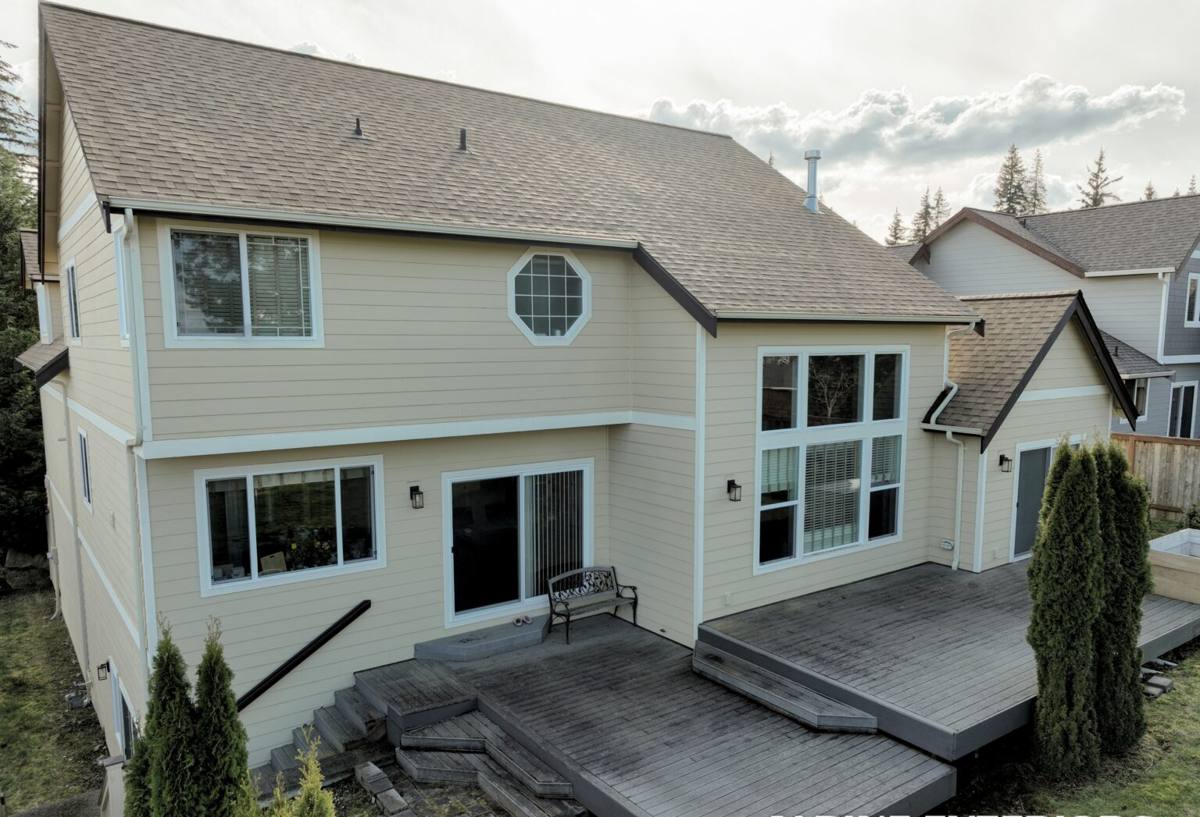
What a Properly Built Deck Needs in This Climate
The visible decking boards get most of the attention, but the parts that determine whether a deck survives storm season are mostly hidden: the framing, the fasteners, the ledger connection, and the footings. Skipping or under-building any of these is where coastal decks fail early.
Fasteners and Hardware
Standard galvanized fasteners corrode faster near the coast than most homeowners realize, especially in contact with pressure-treated lumber, which is chemically more corrosive to metal than untreated wood. Stainless steel or coated fasteners rated for coastal and treated-lumber exposure cost more up front but avoid the rust streaks, loosened boards, and structural weak points that show up within a few years when the wrong hardware is used.
Ledger Attachment and Flashing
The ledger board — where the deck attaches to the house — is the single most common point of water intrusion and structural failure on an attached deck. Proper flashing keeps wind-driven rain from getting behind the ledger and into the house's band board or framing, where it can rot unseen for years. This is also one of the first things a building inspector checks, and for good reason.
Footings and Wind Uplift
Footings need to be sized for both the vertical load of the deck and the uplift forces that hurricane-force winds put on an elevated structure. Post bases and hurricane ties or hold-down hardware at connection points keep a deck from lifting or racking in high wind rather than relying on gravity and nails alone.
Choosing Decking Material for Coastal Conditions
There is no single "best" decking material — the right choice depends on how much maintenance you want to do, your budget, and how much direct sun and rain exposure the deck will see. Here's an honest comparison of the main options for a Southgate home.
| Material | Moisture & Humidity Behavior | UV / Fading Resistance | Maintenance | Typical Lifespan |
|---|---|---|---|---|
| Pressure-Treated Wood | Prone to swelling, cupping, and splitting if not sealed regularly | Fades and grays without upkeep | Annual cleaning and resealing recommended | 10-15 years with upkeep |
| Capped Composite | Resists moisture absorption well; minimal swelling | Capped surface resists fading better than uncapped composite | Occasional washing; no sealing or staining | 20-25+ years |
| PVC Decking | Fully synthetic; essentially unaffected by humidity | Strong UV and fade resistance | Lowest maintenance of the group | 25+ years |
Pressure-treated wood is still a reasonable, budget-friendly choice for homeowners willing to keep up with sealing on a regular schedule — skipping that upkeep in this climate is where wood decks get into trouble. Capped composite and PVC cost more initially but hold up with far less ongoing work, which matters in a climate that punishes anything left unmaintained. We'll walk through the honest trade-offs of each with you rather than push one product across the board.
Permitting, Wind Load, and Local Code in Manatee County
Most new decks and many deck replacements in Manatee County require a permit, and attached decks typically need to meet Florida Building Code wind load requirements for the region. Depending on the size, height, and design of the deck, the county may require engineered or sealed plans before a permit is issued. Elevated decks, decks with roofs or covers, and decks built near setbacks or easements tend to draw extra scrutiny.
This isn't red tape for its own sake — the wind load and attachment standards in the code exist specifically because of storms this area sees. A deck built to meet those standards is a deck built to actually survive them, not just to pass a one-time inspection. Skipping the permit process might save time upfront, but it can create real problems later: unpermitted work can complicate a home sale, cause issues with insurance claims after storm damage, and in some cases require a deck to be torn out and rebuilt to code.
How We Build a Deck for a Southgate Home
Site Assessment and Design
We start by looking at the actual site — sun exposure, drainage, existing structure attachment points, soil conditions, and how the deck will be used. A deck designed around how a family actually lives on it holds up better than one built from a generic template, and it lets us flag anything that will affect cost or permitting early rather than as a surprise mid-project.
Permitting and Engineering
We handle the permit application and any required engineering review with Manatee County so the project is built to current wind load and attachment requirements from the start. This step protects you — it means the deck is inspected and documented, which matters for insurance and resale.
Construction
Framing, ledger attachment and flashing, footings, and fastener selection all follow the standards described above — not the minimum that would pass a quick inspection, but what actually holds up to this climate over time. Decking material is installed according to the manufacturer's coastal installation guidance, since gapping and fastening patterns affect how the material handles humidity and temperature swings.
Final Walkthrough and Inspection
The completed deck goes through required county inspections, and we walk the finished project with you so you know exactly what maintenance it needs going forward and when.
Cost Factors to Expect
Deck pricing varies a lot based on size, material, and design complexity, and any honest contractor should be able to walk you through what's driving your specific number rather than quoting a flat per-square-foot price. The main factors are:
| Factor | Why It Affects Cost |
|---|---|
| Size and shape | Larger decks and multi-level or non-rectangular designs need more material and labor |
| Decking material | Pressure-treated wood costs less upfront; composite and PVC cost more but need less upkeep |
| Height and elevation | Elevated decks need more substantial footings, framing, and often railings, which adds cost |
| Railing type | Wood, aluminum, cable, and composite railings vary significantly in material and install cost |
| Permitting and engineering | Larger or more complex decks may require sealed engineering plans, adding to project cost |
| Site access and demo | Removing an old deck or working around limited access adds labor time |
We'll break down where your money is going before work starts, so there are no surprises when the project is finished.
Keeping a Southgate Deck in Good Shape
A well-built deck still needs some routine attention in this climate. None of it is complicated, but skipping it is how small issues turn into structural ones.
- Rinse off salt residue, pollen, and debris every few weeks, more often during storm season
- Check fasteners and connector hardware annually for rust, looseness, or corrosion
- Reseal or restain pressure-treated wood on the schedule the product requires — don't wait for visible graying
- Inspect the ledger board flashing after major storms for any sign of water intrusion
- Look underneath the deck periodically for soft, discolored, or cracked framing members
- Keep gutters and downspouts near the deck clear so runoff isn't pooling against footings or framing
- Trim back vegetation that traps moisture against the deck surface or structure
Why Local Experience Matters
A deck contractor who only occasionally works in coastal Florida is learning the wind load requirements, the flashing details, and the fastener standards on your project. A crew that regularly works in and around Bradenton and Southgate already knows Manatee County's permitting process, what inspectors look for, and how salt air and storm exposure actually play out on decks in this specific area over time. That experience shows up in fewer surprises during the permitting process and in a deck that's built to the conditions it will actually face, not a generic set of plans.
If you're planning a new deck or replacing one that's showing its age, we're happy to take a look and put together a free, no-pressure estimate. Use the form below to get started.