 Bradenton Window
 Building Decks for Ellenton's Climate, Not a Catalog Photo
Ellenton sits in a part of Manatee County where the weather doesn't give a deck any easy years. Between the summer humidity, the salt-laden air moving in off the Gulf and Tampa Bay, and the wind loads that come with every hurricane season, an outdoor deck here is under constant, low-grade attack from the day it's finished. A deck built the way it might be built in a drier, cooler climate will show problems within a few seasons: cupped boards, rusted fasteners, soft spots around posts, railings that wobble. A deck built for Ellenton specifically holds its shape and stays safe for decades.
This page covers what that actually means in practice — the materials, the structural details, and the process we follow when we build or replace a deck for a homeowner in Ellenton.
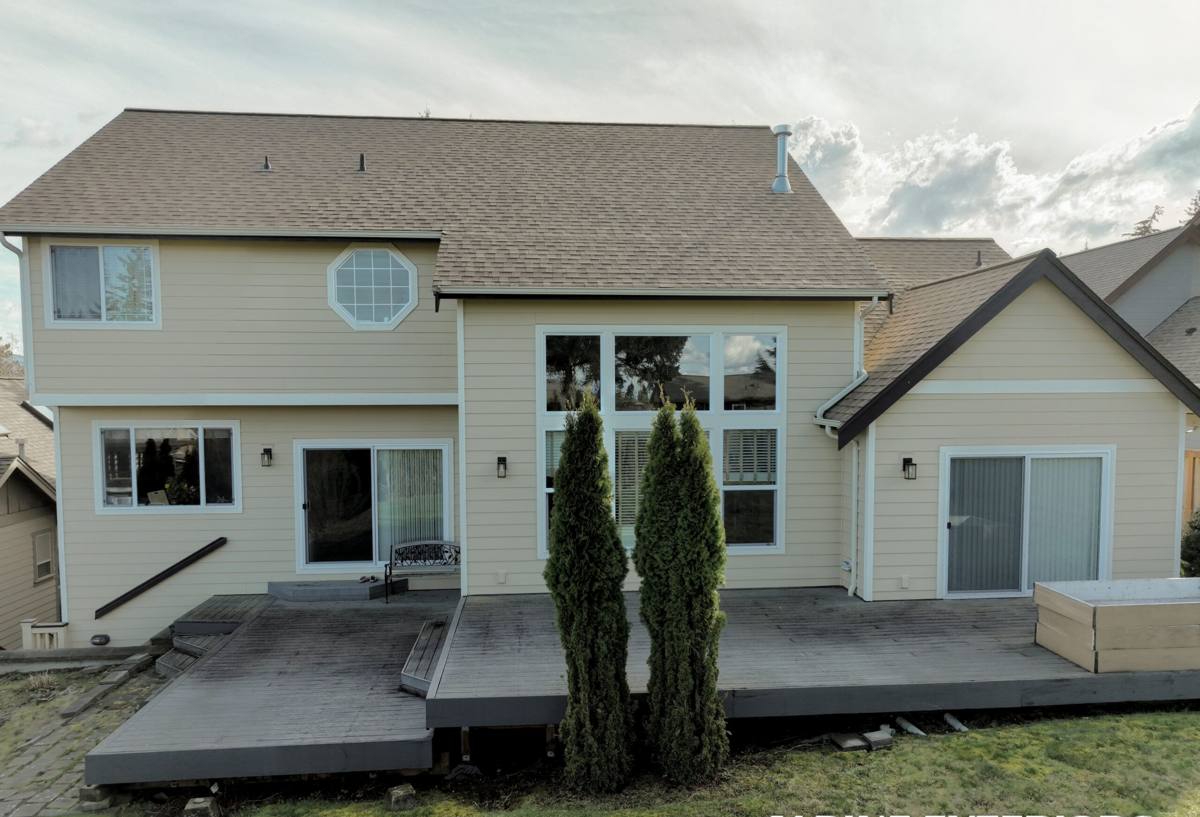
What This Climate Does to a Deck Over Time
UV exposure
Florida sun is intense and consistent year-round, not seasonal. Untreated or poorly finished wood grays and checks within a couple of years. Some composite decking, especially older or lower-grade product, will fade or chalk on the surface if it wasn't formulated with adequate UV stabilizers. This matters more here than it does in a lot of the country simply because of how many direct-sun hours a deck gets annually.
Wind-driven rain
Rain in this area rarely falls straight down during a storm — it comes in sideways, driven by wind, and finds every gap and seam it can. Water that gets trapped between decking boards, under ledger flashing, or around post bases is what actually causes rot and structural failure, far more than rain itself. Drainage and flashing details matter as much as the decking material on top.
Salt air
Even well inland from the immediate coast, Manatee County air carries enough salt to accelerate corrosion on fasteners, brackets, and connectors. Standard zinc-coated hardware that would last for years in a drier inland climate can start rusting and staining a deck's surface within a season or two here.
Wind load
Ellenton falls within Florida's high-velocity wind design requirements under the Florida Building Code. A deck attached to the house, or a freestanding structure with railings and stairs, has to be engineered and fastened to resist uplift and lateral loads from tropical storm and hurricane-force wind events — not just support foot traffic.
Getting the Materials Right
There's no single "best" decking material for every homeowner — it depends on budget, how much upkeep you want to take on, and how the deck will be used. What we won't do is put down a product that looks fine at installation but is a known problem in this climate. That means being upfront about trade-offs rather than pushing whatever has the best margin.
Pressure-treated wood
Still the most affordable option and perfectly workable in Ellenton if it's installed with the right gaps, sealed cuts, and a maintenance routine the homeowner is actually willing to keep up with — periodic cleaning and re-sealing, typically every one to two years in this climate. Skip the maintenance and it will show it faster here than almost anywhere else in the country.
Tropical hardwoods
Dense hardwoods hold up well structurally and resist rot and insects better than pine, but they're heavier, pricier, and still need periodic oiling to keep their color and prevent surface checking under constant UV.
Composite decking
Modern capped composite is a strong fit for this climate — it doesn't rot, doesn't need staining, and resists fading far better than composite did a decade ago. It costs more upfront. We stick to capped products (a protective outer shell around the core) rather than older uncapped composite, which absorbed moisture and grew mold in humid climates like ours.
PVC decking
Fully synthetic, no wood content at all, so it's immune to rot and largely indifferent to moisture. It's the most expensive option per square foot but the lowest-maintenance over a 20-plus year span, which is worth pricing out for anyone planning to stay in the home long-term.
Hardware and fasteners
Regardless of decking material, we use stainless steel or heavy hot-dip galvanized fasteners and structural connectors rated for coastal/high-corrosion environments. This is the detail that gets skipped most often on budget deck jobs, and it's the one that causes rust streaks, loosened railings, and structural connector failure years down the line.
Decking Material Comparison
| Material | Upfront Cost | Maintenance | UV / Salt Air Performance | Typical Lifespan |
|---|---|---|---|---|
| Pressure-treated wood | Lowest | Annual/biannual cleaning + sealing | Fair if maintained | 10-15 years |
| Tropical hardwood | Mid-high | Periodic oiling | Good | 20-25 years |
| Capped composite | Mid-high | Occasional washing | Very good | 25-30 years |
| PVC decking | Highest | Minimal | Excellent | 30+ years |
The Structural Details That Actually Matter
Footings and posts
Post footings need to be sized and set to local frost-free, sandy-soil conditions and rated for the loads the Florida Building Code requires in this wind zone. We don't shortcut footing depth or diameter to save a half-day of labor — it's the single most expensive thing to fix after the fact, since fixing it means tearing into a finished deck.
Ledger board attachment and flashing
Where a deck attaches to the house, the ledger board connection and its flashing are what keep wind-driven rain from working its way into the house's wall framing over time. This is a common failure point on older or improperly built decks in this area, and it's one of the first things we check on any repair or rebuild call.
Joist hangers and blocking
Every joist connection uses corrosion-resistant hangers sized to the actual load, with blocking added at railing posts and stair stringers so those high-stress points don't work loose under repeated wind and foot-traffic cycling.
Railings and guards
Railing posts need to be through-bolted into properly blocked framing, not just screwed to a rim joist. Loose railings are one of the most common complaints we hear about on decks other companies have built, and it almost always traces back to this detail being skipped.
Permitting and Code in Manatee County
Deck construction in Ellenton falls under Manatee County permitting and inspection, tied to the Florida Building Code's structural and wind-load requirements. That means a permitted deck project generally needs an approved plan, a footing inspection before concrete is poured, and a final inspection before it's signed off. Skipping permits is common with unlicensed labor, but it leaves the homeowner holding the liability — and it can complicate a home sale or insurance claim later if the deck was never inspected. We pull permits and schedule inspections as a standard part of the job, not an upsell.
Our Process
- On-site assessment — we look at the site's exposure (sun, prevailing wind, drainage), soil, and how the deck ties into the house
- Design and material selection — honest conversation about budget versus long-term maintenance, sized to how you'll actually use the space
- Permit drawings and submission — handled for you, sized to Manatee County and Florida Building Code requirements
- Footings and framing — inspected before decking goes down
- Decking, railing, and finish work — fastened with corrosion-resistant hardware throughout
- Final inspection and walkthrough — so you know exactly what maintenance, if any, your specific materials need going forward
Maintenance Checklist for an Ellenton Deck
- Sweep debris and standing organic matter off the deck surface regularly — it holds moisture and feeds mold/mildew in this humidity
- Check railing posts and stair stringers annually for any looseness
- Look for rust staining around fasteners, which signals hardware that's starting to corrode
- Clear leaves and debris from between boards and around post bases so water can drain freely
- If wood or hardwood decking, plan on cleaning and re-sealing on the schedule your material calls for — don't wait until it visibly grays
- After any major storm, do a quick visual check of railings, stairs, and the ledger board connection
Why Hire a Crew That Already Works in Ellenton
A deck contractor who works this specific area regularly already knows the Manatee County permitting process, the inspectors, and which structural details actually matter for local soil, drainage, and wind exposure — instead of relearning it on your project. That familiarity shows up in fewer surprises during permitting, fewer callbacks for loose railings or rot down the line, and a deck that's actually sized to what Ellenton's climate demands rather than a generic national spec sheet.
If you're planning a new deck, replacing an aging one, or just want an honest opinion on whether yours is holding up the way it should, we're glad to take a look. Reach out for a free, no-pressure estimate — use the form below to get started.