 Bradenton Window
 Why Ellenton Roofs Wear Out on Their Own Timeline
Ellenton sits in unincorporated Manatee County, tucked between Bradenton and the Tampa Bay area along the Manatee River corridor, and that location puts every roof in the neighborhood under a specific kind of stress. It isn't one thing that wears a roof out here — it's the combination. Intense, nearly year-round UV breaks down asphalt oils and dries out sealants faster than the same shingle would age in a northern state. Salt-laden air drifting in off the Gulf and the river corridors accelerates corrosion on any exposed metal — nails, flashing, vents, fasteners. And when a tropical system or a summer squall line rolls through, wind-driven rain doesn't fall straight down; it gets pushed sideways and upward under edges, laps, and fasteners that were never designed to shed water from that angle.
None of that means Ellenton roofs are doomed to fail early. It means a roof replacement here has to be built for those specific conditions, not just installed to a generic national spec and hoped for the best. A roof that was correctly detailed for wind and water intrusion, with materials rated for coastal Florida exposure, will consistently outlast one that wasn't — even if both started with the same shingle bundle.
What "Coastal Exposure" Really Changes
Homes in Ellenton aren't beachfront, but they're close enough to the Gulf and to open water along the Manatee River that airborne salt is a real factor, especially on the side of the roof facing prevailing winds. That means fastener choice, flashing metal, and even the type of underlayment matter more here than they would further inland. It also means annual inspections catch problems earlier than they would in a drier, calmer climate — small issues don't stay small for long once wind and moisture start working on them together.
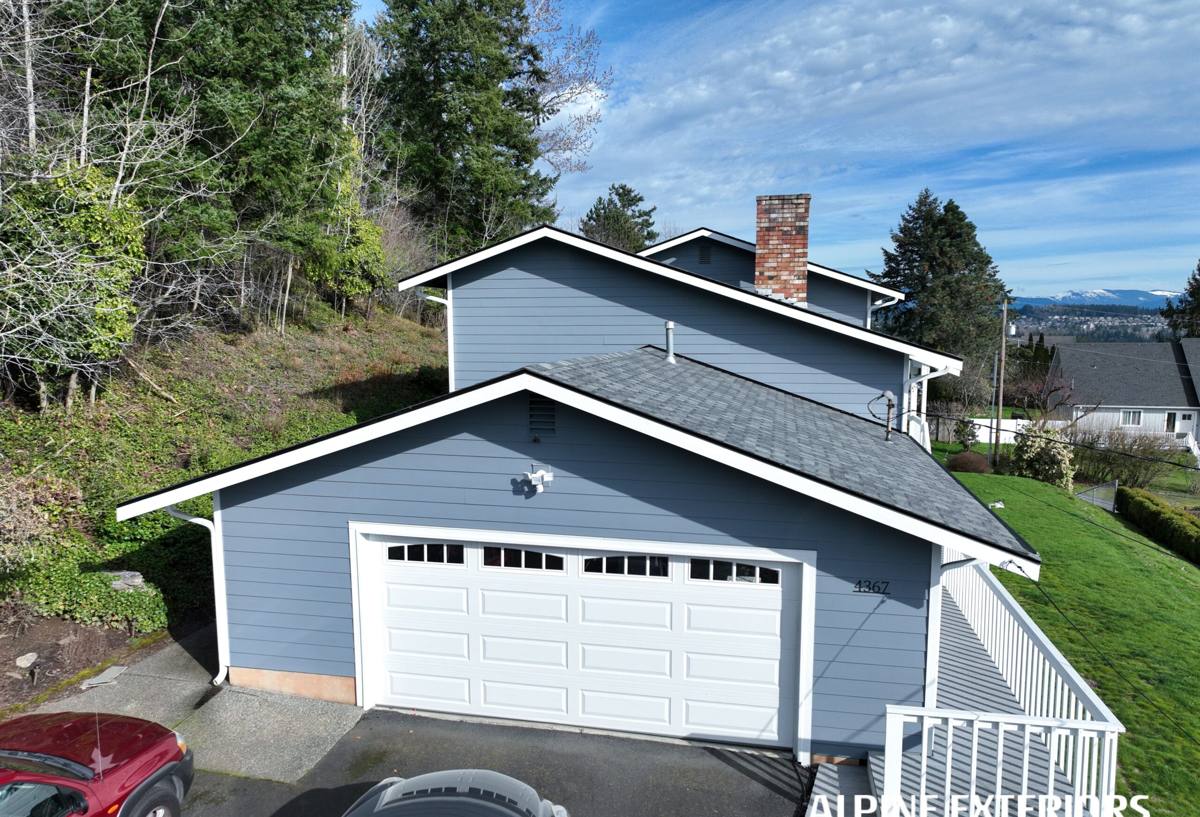
What a Correct Roof Replacement Actually Involves
"Roof replacement" gets treated like a one-step job — old shingles off, new shingles on. That's not what separates a roof that survives its first serious wind event from one that doesn't. The work that actually matters happens underneath the shingles, at the edges, and around every penetration.
Tear-Off and Deck Inspection
A full tear-off is the only way to know what's actually happening at the deck level. Rotten or delaminated plywood, soft spots around old leaks, and improperly spaced sheathing all get hidden by a roof-over. Any deck section that's compromised gets replaced before anything new goes down — skipping this step is the single most common shortcut that leads to early failure, because no underlayment or shingle can compensate for a deck that flexes or holds moisture.
Underlayment and Secondary Water Barrier
This layer is what actually keeps your house dry if wind ever lifts or damages the shingles above it — and in a region that sees wind-driven rain, that's not a hypothetical. A synthetic or self-adhering underlayment, installed with the correct lap and fastening pattern, is the difference between a roof that leaks the moment shingles are compromised and one that buys you time until repairs happen.
Flashing at Every Transition
Valleys, chimneys, skylights, sidewalls, and roof-to-wall transitions are where the overwhelming majority of roof leaks actually start — not in the open field of shingles. Correct flashing means new metal at every one of these points, properly lapped with the underlayment and shingles so water is always directed downward and outward, never trapped or funneled behind a wall or fascia.
Ventilation That Actually Balances
Florida attics take a beating from heat, and a roof system that can't move that hot, humid air out efficiently pays for it in higher cooling costs and shingle life lost to sustained heat exposure. A correct replacement includes checking that intake at the soffits and exhaust at the ridge or roof vents are balanced — adding exhaust vents without matching intake just pulls conditioned air out of the house instead of venting the attic.
Choosing a Roofing System for Ellenton's Climate
There's no single "best" roofing material — the right choice depends on your home's structure, your budget, and how long you want to go before doing this again. Here's how the common options stack up for a coastal Manatee County home specifically.
| Material | Typical Wind Performance | Maintenance Burden | Relative Cost | Expected Lifespan |
|---|---|---|---|---|
| 3-tab asphalt shingle | Lower wind rating, more prone to edge lift | Low, but ages faster in strong UV | Lowest | 15-20 years |
| Architectural (laminate) shingle | Higher wind rating than 3-tab, better fastener holding | Low | Moderate | 20-30 years |
| Standing seam metal | Excellent when properly fastened; sheds wind-driven rain well | Very low | Higher upfront | 40-50+ years |
| Concrete or clay tile | Strong when correctly fastened, but individual tiles can be damaged by debris | Moderate — occasional tile replacement | Higher upfront | 30-50 years |
For most Ellenton homes replacing an aging asphalt roof, architectural shingles are the practical middle ground — meaningfully better wind performance and lifespan than 3-tab at a manageable cost increase. Metal makes the most sense for homeowners planning to stay long-term and wanting to minimize future maintenance and heat gain. Tile fits homes where it matches the existing architectural style or HOA expectations, but it's worth budgeting for occasional tile replacement after storms.
Wind Rating, Building Codes, and Insurance
Florida's building code sets minimum wind-resistance standards for roofing systems, and those requirements are taken seriously by permitting offices throughout Manatee County. A correct replacement is installed to meet or exceed the wind-load rating required for your address — that includes the fastening pattern (nails vs. staples, number and placement per shingle), the underlayment type, and how starter and hip/ridge courses are secured, not just the shingle product itself.
This matters beyond the physical performance of the roof. Insurance carriers in Florida increasingly ask for documentation of the roofing system installed — material, install date, and sometimes a wind mitigation inspection — when writing or renewing a policy. A properly permitted, correctly documented replacement can support a better insurance outcome; an undocumented or improperly permitted one can complicate a claim later, right when you need it least.
Our Process From Estimate to Cleanup
Homeowners generally want to know two things before committing to a roof replacement: what actually happens, and how disruptive it will be. Here's the sequence, start to finish.
- On-site inspection and estimate. We walk the roof, check the attic where accessible, and note deck condition, flashing points, and ventilation before quoting — not after the tear-off has already started.
- Material selection. We go over the tradeoffs above in the context of your specific roof, budget, and how long you plan to stay in the home.
- Permitting. The permit is pulled through Manatee County before work begins, and the job is scheduled to pass the required inspections at the correct stages.
- Tear-off and deck repair. Old roofing comes off down to the deck, damaged sheathing is replaced, and the deck is re-nailed to current code where required.
- Underlayment, flashing, and shingle or system installation. Each layer goes down in the correct order and lap pattern, with new flashing at every penetration and transition.
- Ventilation check. Intake and exhaust are verified as balanced for the attic's actual size and layout.
- Site cleanup and magnetic sweep. Debris and stray nails are cleared from the yard, driveway, and landscaping before we consider the job finished.
- Final inspection and documentation. You get the paperwork you'll want for warranty registration and for your insurance file.
Cost Factors for an Ellenton Roof Replacement
Pricing a roof replacement honestly means naming what actually drives the number, rather than quoting a flat rate that doesn't hold up once we're on the roof. The biggest factors:
- Roof size and pitch — more square footage and steeper pitches both increase labor time and material use.
- Number of existing layers — a roof with one or more layers of old shingles already on it requires more tear-off labor and disposal.
- Deck condition — hidden rot or damaged sheathing found during tear-off adds material and labor that couldn't be priced sight-unseen.
- Material choice — asphalt, metal, and tile sit at very different price points, as shown in the comparison above.
- Roof complexity — valleys, dormers, chimneys, and skylights each add flashing work that a simple gable roof doesn't require.
- Ventilation upgrades — adding or correcting intake/exhaust vents is usually a modest add-on, not a major cost driver.
Because these variables swing the total meaningfully from one house to the next, we price after an actual inspection rather than over the phone — it's the only way to give you a number you can trust once work starts.
Signs Your Ellenton Roof Needs Replacing, Not Just Repairing
Not every roof problem calls for a full replacement, and we'll tell you honestly when a repair is the right call instead. But certain signs mean patching is just delaying a bigger expense:
- Shingles that are curling, cupping, or losing granules across large sections rather than one localized spot
- Multiple past repairs in different areas of the same roof within a few years
- Soft or spongy decking felt underfoot during an inspection
- Daylight visible through the roof deck from inside the attic
- A roof already at or past the upper end of its material's expected lifespan
- Storm damage affecting a large percentage of the roof surface rather than a single isolated area
Why Local Experience With Ellenton Roofs Matters
A roof replacement isn't a generic transaction — it's a physical structure that has to perform correctly on your specific house, in this specific climate, for decades. A crew that regularly works in and around Ellenton and greater Manatee County already understands the permitting process at the county level, knows what wind and salt exposure actually do to materials in this area over time, and can respond quickly if a storm damages a roof we installed or that we're already scheduled to work on. That local familiarity shows up in the details — the flashing choices, the fastener spacing, the way ventilation gets balanced for a Florida attic — not just in showing up on time.
It also matters after the job is done. A contractor based in the area is still around next year and the year after, which is exactly when warranty questions, minor adjustments, or storm-related concerns tend to come up.
Maintaining Your Roof After Installation
A correctly installed roof still benefits from basic upkeep. Keep gutters clear so water isn't backing up under the roof edge, trim back overhanging branches that drop debris or scrape shingles in wind, and have the roof visually checked after any major storm — not just when a leak actually appears inside the house. Catching a lifted shingle or a compromised flashing seal early is a small fix; ignoring it through a few more storms is how small problems become deck repairs.
If your roof is showing its age or you're planning ahead of the next storm season, we're happy to take a look and give you a straightforward, no-pressure estimate — just fill out the form below.