 Bradenton Window
 Windows Built for Life on the Barrier Island
Holmes Beach sits on Anna Maria Island, a narrow strip of land with the Gulf of Mexico on one side and Tampa Bay on the other. That location is exactly why houses here need more than what works ten or fifteen miles inland. Windows on this island face salt-laden air almost every day of the year, direct Gulf sun with very little tree cover to soften it, and the very real possibility of a tropical system pushing wind-driven rain sideways into a wall. A window that's merely "hurricane rated" on paper isn't the same as one that's actually correct for a barrier island home. That distinction is the whole reason this page exists.
Whether your home is an older beach cottage with its original single-pane windows or a newer elevated build that's due for its first replacement cycle, the approach we take in Holmes Beach is different from a standard Bradenton or Manatee County job just a few miles inland. Same trade, same code minimums, but a tougher set of real-world conditions to design around.
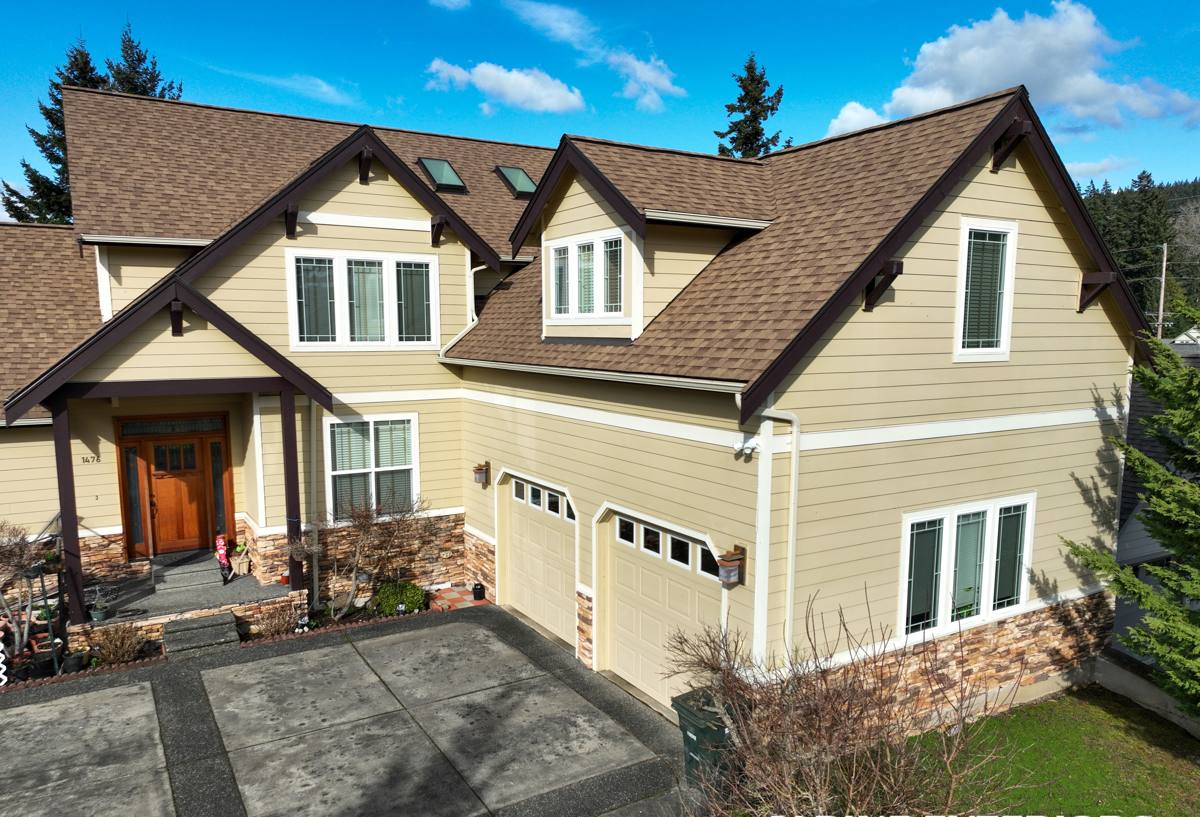
What Salt Air, Sun, and Wind Actually Do to Windows Here
Salt Air and Corrosion
Airborne salt settles on everything near the coast, including window frames, hardware, and fasteners. Over years, it accelerates corrosion on lower-grade metals, pits aluminum finishes, and works into gaps around poorly sealed frames. This is less about any single storm and more about a slow, constant process — the kind of wear that shows up as pitted hardware, stiff locks, and frames that no longer close flush.
UV and Heat
Florida sun is intense everywhere, but a barrier island home often has fewer mature trees and more open sky exposure than a shaded inland lot. Constant UV breaks down vinyl and seals faster, fades interior finishes and furniture, and — if the glass package isn't right — drives cooling costs up because the window is doing a poor job blocking solar heat gain.
Wind-Driven Rain and Pressure
During tropical weather, the danger isn't just wind speed — it's wind-driven rain finding its way through gaps that look fine on a calm day, and pressure differences that stress glass and frames well before a window actually fails. A window that's rated for impact but installed with weak flashing or an undersized buck can still let water in around the edges, which is a problem homeowners often don't discover until they see a stain on the drywall months later.
Code Requirements for Coastal Manatee County Homes
Florida's building code sets wind-borne debris and pressure requirements based on location, and coastal areas of Manatee County — including barrier island communities like Holmes Beach — fall into higher wind-design categories than inland neighborhoods. In practice, that means new or replacement windows generally need to be impact-rated (or protected by code-compliant shutters) and installed with anchoring and flashing details matched to the wind pressures your specific home is exposed to, which can vary by height, exposure, and roofline.
This isn't a box to check for a permit and forget about — it's the actual engineering that determines whether your windows perform when it matters. We pull the required permits, follow the product's approved installation instructions, and make sure the finished job matches what was actually engineered and approved, not a shortcut version of it.
What a Correct Window Replacement Job Involves
A window replacement is more than removing an old unit and setting a new one in the same hole. On a coastal home, each of these steps matters more than it would inland:
- Assessment of the existing opening — checking the framing, sill, and any existing water damage or rot before assuming the old opening is sound.
- Correct product selection — matching the window's design pressure rating, impact rating, and glass package to that specific opening's exposure, not just picking one rating for the whole house.
- Proper flashing and weatherproofing — this is where most long-term leaks actually originate, not in the glass or frame itself.
- Anchoring per the product's engineering — fastener type, spacing, and embedment need to match the manufacturer's approved installation instructions for the wind zone.
- Sealing and finish work — sealants matched for coastal/UV exposure, not a generic caulk that will chalk and crack within a couple of years.
- Final inspection — confirming the installation matches permit requirements before we call the job done.
Skipping or rushing any one of these steps is how a homeowner ends up with a window that's technically "hurricane impact" but still leaks, sticks, or underperforms in a real storm.
Choosing Frame Materials and Glass for a Salt-Air Environment
Not every window product marketed as "impact" or "hurricane rated" is built the same way, and material choice matters more here than it does a few miles inland. We steer homeowners toward frame materials and hardware finishes that hold up to salt exposure specifically, because a product that performs fine in a dry inland climate can corrode or degrade faster on a barrier island. This isn't a knock on any particular manufacturer — it's a practical trade-off between upfront cost, expected maintenance, and how the product ages in this exact environment. Our standard is to explain those trade-offs honestly so you can decide what fits your budget and how long you plan to own the home.
| Frame Material | Coastal Performance Notes |
|---|---|
| Vinyl | Low maintenance, good insulator; quality and UV-stabilization vary by manufacturer, which matters more under constant Gulf sun |
| Aluminum | Strong and slim sightlines, common on impact products; needs a quality finish to resist salt-air corrosion over time |
| Fiberglass | Very stable in heat and humidity swings, resists corrosion well; typically a higher upfront cost |
| Wood/Wood-clad | Requires the most upkeep in a salt-air, high-humidity setting; generally not our first recommendation for direct coastal exposure |
How We Approach a Holmes Beach Project
Every job starts with a walk-through of the home, not a phone quote. We look at each opening individually — a house on this island can have windows facing very different exposure depending on which side faces the Gulf, which side is more sheltered, and how close the home is to open water. From there we measure, review what the local permitting process requires for your specific address, and put together a proposal that spells out product, glass package, and installation scope in plain terms.
During installation, we protect your landscaping and interior, remove old units carefully, and follow the flashing and anchoring sequence the product's approval requires — not a generalized approach used everywhere in the county. When the job is done, we clean up fully and walk you through the finished windows, including how the locks and any impact-rated hardware operate, before we consider the job complete.
Cost Factors for Window Replacement Near the Gulf
Costs vary window to window, so we won't quote a number here that doesn't apply to your home. What we can do is explain what actually drives the price up or down, so an estimate makes sense once you see it.
| Factor | Why It Matters |
|---|---|
| Impact rating vs. shutters + non-impact glass | Impact glass costs more per window but removes the need to deploy shutters before every storm |
| Frame material | Vinyl, aluminum, and fiberglass carry different price points and different long-term maintenance |
| Number and size of openings | Larger openings and full-house jobs carry different engineering requirements than a single window swap |
| Condition of the existing opening | Rot, undersized framing, or old non-standard openings can add prep work before a new window goes in |
| Glass package (Low-E, tint, laminate structure) | Affects UV blocking and cooling costs, which matters given how much direct sun barrier island homes get |
Signs It's Time to Replace, Not Repair
Some window problems are worth fixing; others are a sign the unit has reached the end of its useful life, especially in a coastal setting where deterioration compounds faster. Signs worth taking seriously include:
- Frames that feel soft, spongy, or show visible corrosion around hardware
- Windows that are difficult to open, close, or lock properly
- Condensation or fogging between panes of double-pane glass
- Visible daylight, drafts, or water intrusion around the frame during storms
- Chalky, faded, or brittle sealant that no longer seals against wind-driven rain
- Single-pane, non-impact windows still in place on a coastal-exposed elevation
- A noticeable rise in cooling costs tied to specific rooms or windows
Why Working with a Crew That Knows This Island Matters
Barrier island homes come with their own quirks — elevation requirements, tighter lot setbacks, older housing stock mixed with newer construction, and permitting that accounts for the coastal wind zone rather than a standard inland rating. A contractor who mainly works inland Manatee County jobs may not think through these details the same way a crew that regularly works Holmes Beach and the surrounding island communities will. Knowing the local permitting process, the realistic wind exposure by elevation and orientation, and how salt air actually behaves on materials over a few storm seasons isn't something you can fully substitute with a generic install. It shows up later, in whether the windows still perform well after the fifth or sixth season near the Gulf.
If you're weighing whether it's time to replace your windows, or you just want a straight answer about what your home actually needs given its exposure, we're happy to take a look. Reach out for a free, no-pressure estimate — we'll walk the home, answer your questions honestly, and give you a proposal you can actually compare against anything else you're considering.