 Bradenton Window
 Board & Batten Siding, Built for Lakewood Ranch
Board and batten has become one of the most requested siding styles in Lakewood Ranch. The vertical lines and crisp shadow reveals suit the community's mix of coastal, farmhouse, and modern Florida architecture, and it pairs well as an accent on gables, dormers, and porch elements or as a full-elevation statement. But the look is only half the job. Whatever goes on a Lakewood Ranch home has to survive a Gulf Coast climate that doesn't take a season off: intense UV exposure nearly year-round, sudden downpours driven sideways by wind, tropical humidity that never fully lets up, and the outer edge of hurricane risk that every Manatee County homeowner plans around.
This page is about that one job specifically — board and batten siding, installed correctly, on homes in and around Lakewood Ranch. Not a general siding overview, and not a sales pitch for whatever material happens to be cheapest that month. We install James Hardie fiber cement exclusively, and we'll explain why, but the bigger point of this page is what actually needs to happen for board and batten to hold up here.
What This Climate Does to Vertical Siding
Board and batten's vertical boards and raised battens create more seams, more fastener points, and more edges than a standard lap profile. That's not a flaw in the style — it's just a fact that changes how the installation has to be done in a place like Bradenton.
- UV exposure: South and west-facing elevations in Lakewood Ranch take a beating from sun almost every day of the year. Paint and factory finishes that aren't formulated for this level of exposure chalk, fade, and crack years ahead of schedule.
- Wind-driven rain: Summer storms here rarely fall straight down. Wind pushes rain sideways and up under battens and trim, which means flashing and water management at every horizontal transition matter more than the siding material itself.
- Humidity: Long stretches of high humidity keep wood-based products damp longer than they're designed to tolerate, which is where swelling, soft spots, and paint failure at seams tend to start.
- Salt-influenced air: Lakewood Ranch sits inland from the coast, but Gulf air still carries salt content across the region, and it accelerates corrosion on fasteners and metal flashing that aren't rated for it.
- Wind load: Manatee County's building code reflects real hurricane exposure. Siding and its fastening schedule need to meet that load, not just look right.
What a Correct Board & Batten Job Actually Involves
Board and batten looks simple from the curb, but it's less forgiving than lap siding if it's installed wrong. A few things separate a job that lasts twenty-plus years from one that starts showing problems in three.
Water management behind the boards
Every board and batten wall needs a drainage plane behind it — house wrap or building paper installed correctly, with proper laps and integrated flashing at windows, doors, and any horizontal trim. Battens create vertical channels that can direct water downward if the wall behind them isn't set up to shed it. Skipping this step is the single most common reason board and batten fails early, regardless of what material is on the surface.
Fastening for wind load
Manatee County's wind exposure means fastener type, spacing, and penetration depth aren't optional details — they're what keeps the siding on the wall in a storm. Battens should be fastened independently through to structural framing where possible, not just face-nailed into the board beneath them.
Gaps, caulking, and expansion room
Fiber cement and framing both move slightly with temperature and moisture. Boards and battens need the gaps and fastening approach specified by the manufacturer, not tight-butted joints that trap water or crack under expansion.
Cut-edge sealing
Any factory-finished siding exposes raw material at field cuts. Those cut edges have to be primed and sealed before installation, especially at inside corners and window returns, or they become the first place moisture gets in.
Why We Only Install James Hardie Fiber Cement
We don't offer a menu of siding brands for board and batten. We install James Hardie fiber cement, full stop, and it's worth explaining the reasoning rather than just stating the policy.
Fiber cement in James Hardie's HZ product lines is engineered specifically for high-humidity, high-heat climates like ours — that's what the "HZ5" designation refers to. It doesn't absorb water the way wood-based sidings do, so it doesn't swell, rot, or feed the kind of moisture damage that shows up in humid coastal regions. It's non-combustible, which matters for insurance conversations as much as safety. And the ColorPlus factory finish is baked on under controlled conditions, engineered to resist the UV fading and cracking that field-applied paint struggles with in Florida sun. It carries a strong, transferable manufacturer warranty when installed to spec — and "installed to spec" is doing real work in that sentence, which is why installation quality gets its own section on this page.
The alternatives we don't install, and why
We get asked about vinyl board and batten, engineered wood products like LP SmartSide, and primed wood or cedar. Each has real strengths, and we're not going to pretend otherwise:
- Vinyl is inexpensive and low-maintenance, but it's a poor match for hurricane-exposed walls — it can deflect, crack, or blow off in high wind, and it softens and warps under sustained heat and direct sun the way Lakewood Ranch elevations see daily.
- Engineered wood siding (LP SmartSide and similar) is lighter and easier to install than fiber cement, but it's still a wood-strand product at its core. It depends heavily on intact factory sealing and careful field caulking to keep moisture out, and once that seal is compromised in a humid climate, swelling and edge deterioration can follow.
- Primed spruce or cedar gives you real wood character, but it needs ongoing repainting and caulk maintenance to survive UV and humidity here, and it's the most vulnerable of the group to moisture and pests over time.
None of these are "bad products" in the abstract — they're reasonable choices in some climates and budgets. We simply won't put our name behind an installation we don't think will hold up through a decade of Manatee County summers and storm seasons, so we standardized on the one material system built for exactly that.
| Material | Moisture Behavior | UV/Fade Resistance | Wind Performance | Typical Maintenance |
|---|---|---|---|---|
| James Hardie fiber cement | Does not absorb or swell | Factory ColorPlus finish, engineered for sun exposure | Engineered HZ lines for hurricane-prone regions | Occasional wash; repaint only if desired, decades out |
| Vinyl | Doesn't rot, but can warp/deflect | Fades and chalks over time | Prone to cracking or blow-off in high wind | Low, but replacement panels needed if damaged |
| Engineered wood (LP SmartSide type) | Vulnerable if seals fail | Good with intact factory coating | Adequate when properly fastened | Inspect seams/caulk regularly |
| Primed wood/cedar | Absorbs moisture, prone to swelling/rot | Fades, needs repainting | Adequate if maintained | Regular repainting and caulk upkeep |
Our Process on a Lakewood Ranch Board & Batten Project
The process doesn't change based on brand names — it changes based on doing each step correctly.
- On-site assessment: We look at the existing wall assembly, current siding condition, window and door flashing, and any moisture issues already present before quoting anything.
- Design and layout: Board width and batten spacing get planned around the home's proportions and any HOA architectural guidelines common in Lakewood Ranch's planned communities, so the finished look fits the neighborhood.
- Tear-off and substrate check: Old siding comes off, and we inspect sheathing for hidden rot or damage before anything new goes up — this is where problems from a prior installation usually surface.
- Water-resistive barrier and flashing: House wrap and flashing get installed and integrated at every penetration before a single board goes on.
- Installation to manufacturer spec: Boards and battens are fastened, gapped, and sealed per James Hardie's published installation requirements for our wind zone.
- Final inspection: We walk the finished elevations checking fastener lines, caulking, and trim details before calling the job complete.
What Board & Batten Siding Costs Here — the Real Factors
We're not going to quote a number that doesn't mean anything without seeing the house, but these are the variables that actually move the price on a Lakewood Ranch board and batten job:
- Wall square footage and home height — two-story sections and steep gables take longer and need more staging.
- Existing siding removal — tear-off adds labor, and hidden sheathing repair (if found) adds more.
- Board and batten spacing/pattern — tighter batten spacing means more material and more fastening than a wide-spaced pattern.
- Trim complexity — corner boards, window/door casing, and gable detailing all add labor.
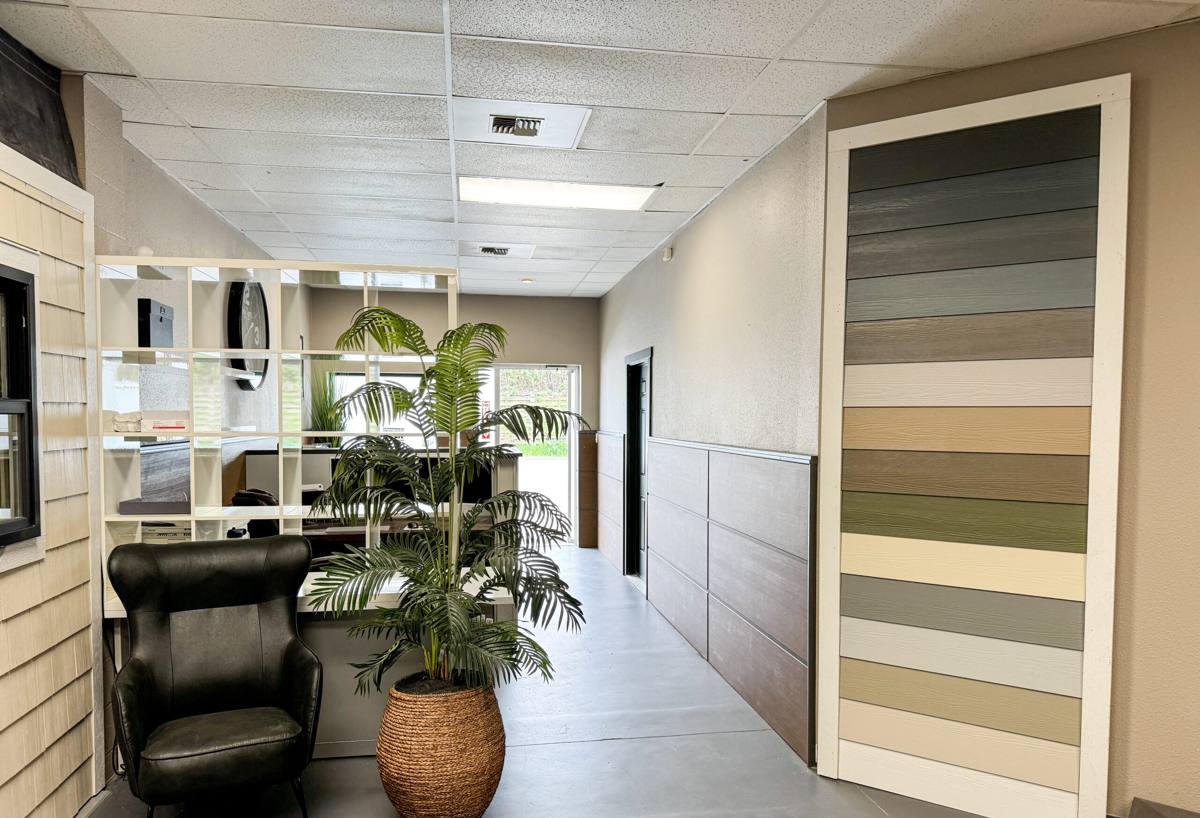
- Color — factory ColorPlus finishes eliminate an on-site paint step, which is usually a cost and time advantage over field-painted alternatives.
Before You Hire Anyone for Board & Batten Siding, Check This
- Do they specify a full water-resistive barrier and flashing plan, or just "we'll wrap it"?
- Do they follow the manufacturer's published fastening schedule for our wind zone, in writing?
- Are they familiar with Lakewood Ranch HOA architectural review requirements, so your project isn't delayed at approval?
- Do they carry proper licensing and insurance for exterior work in Manatee County?
- Will they show you cut-edge sealing and gap spacing before boards go up, not just after?
- Is the warranty backed by the manufacturer and transferable if you sell the home?
Why a Crew That Already Works Lakewood Ranch Matters
Lakewood Ranch isn't a single subdivision — it's a large, master-planned community with multiple villages, each with its own architectural review expectations and aesthetic standards. A crew that already works in the area knows what board and batten proportions typically clear review, knows the practical realities of working around community access rules and scheduling, and has already worked through the logistics of staging materials and equipment in these neighborhoods. That familiarity shows up as fewer surprises, fewer delays, and a finished job that fits the street rather than looking bolted on.
It also matters for something less visible: accountability. A crew with an ongoing presence in Bradenton and the surrounding Manatee County area has a reason to stand behind the work years down the road, not just disappear after the invoice clears.
Get a Straight Answer for Your Home
If you're weighing board and batten siding for a Lakewood Ranch home, we're happy to take a look, walk the exterior with you, and give you an honest read on what it would take — no pressure, no inflated scope. Use the form below to request a free estimate.