 Bradenton Window
 Why Lakewood Ranch Windows Take More Punishment Than You'd Think
Lakewood Ranch sits inland from the coast, but "inland" in Manatee County doesn't mean sheltered. Homes here still deal with the same tropical sun, humidity swings, and storm systems that hit the rest of the Bradenton area — just without a sea breeze to take the edge off. Windows in this part of Florida work harder than windows almost anywhere else in the country, and the ones that were adequate when a house was built ten or fifteen years ago are often not adequate now.
Three things do most of the damage over time. Intense, near-daily UV exposure breaks down seals, vinyl, and glazing compounds faster than in northern climates. Humidity and afternoon storms push moisture into any gap in the frame or flashing, which shows up later as fogging between panes, soft trim, or mold around the sill. And wind-driven rain during named storms and seasonal squalls finds every weak point in a window's seal, sometimes long before the storm is strong enough to break glass. A window that looks fine from the curb can already be failing on the inside.
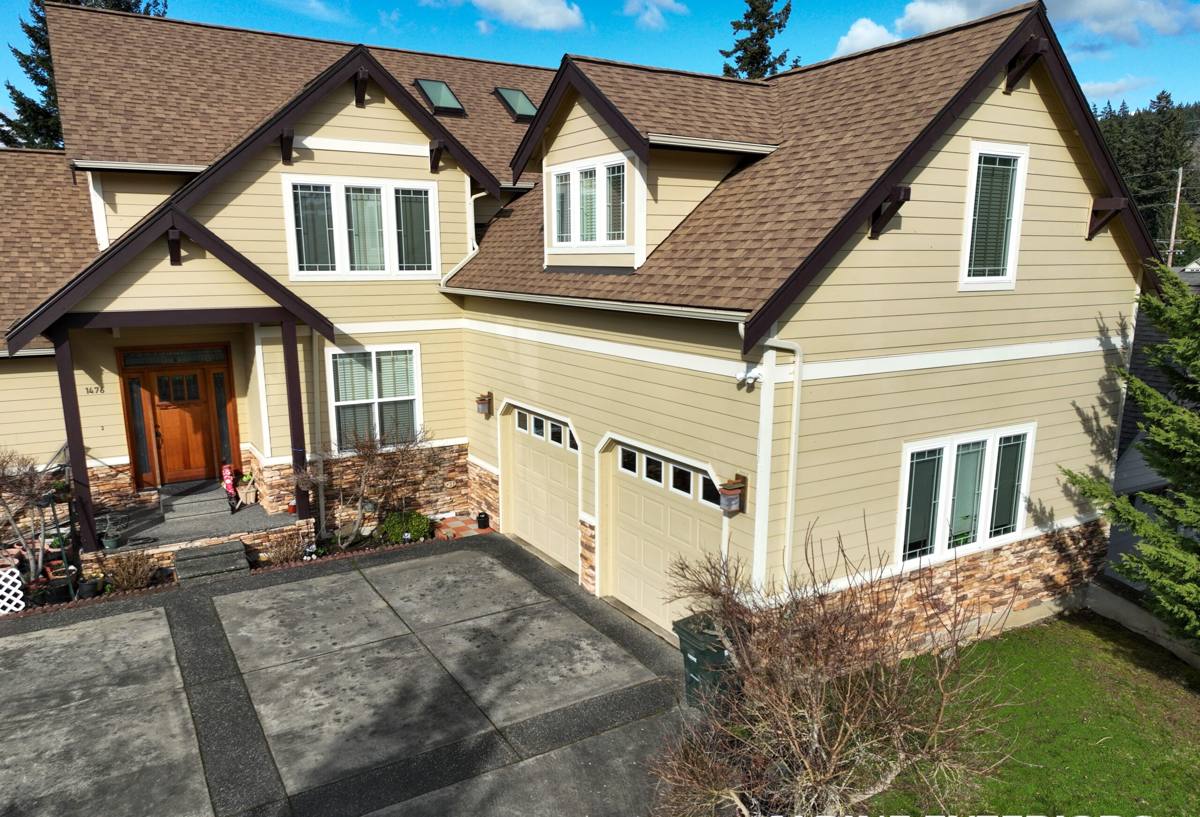
What "Custom" Actually Means for Your Windows
"Custom" gets used loosely in this industry, so it's worth being specific. For us, it means two things: the window is built to the exact opening in your home rather than forced into a stock size, and the style is chosen to match how your specific home is built and how you actually use the space.
Precise Sizing
Older Lakewood Ranch homes, and even some newer ones, rarely have perfectly square or uniform openings after years of settling and humidity cycles. Stock-sized replacement windows get shimmed and packed with extra caulk to fit — which creates the exact gaps that let water and air in. A custom-measured window is built to the opening as it actually exists, not as it was on the original blueprint.
Matching Your Home's Architecture
Lakewood Ranch has a lot of variety — Mediterranean and Spanish-influenced stucco homes, newer craftsman-style builds, and everything in between. Casement windows crank open and seal tighter against wind, which suits more contemporary and coastal-influenced designs. Single-hung and double-hung windows fit traditional facades and are easier to service later. Picture windows and large fixed panes work well for view-oriented rooms but need to be paired with impact-rated glass since they can't be boarded the way an operable window can. Getting this match right is as much about long-term performance as it is about curb appeal.
Frame Materials: What Holds Up in Manatee County
Frame material has more effect on how a window ages here than almost any other choice. Here's how the common options actually perform under Gulf Coast sun and humidity, not just how they're marketed.
| Frame Material | Sun/Heat Behavior | Moisture Behavior | Our Take |
|---|---|---|---|
| Vinyl | Good UV-stabilized formulas hold color well; cheaper vinyl can warp or yellow | Won't rot; low-maintenance | Solid value option — insist on impact-rated, UV-stabilized product |
| Aluminum | Handles heat well structurally; conducts heat into the home | Corrosion-resistant coatings needed near salt-influenced air | Good for large spans and impact framing; less energy-efficient without thermal breaks |
| Wood | Attractive but sensitive to sun exposure over time | Requires ongoing sealing/maintenance in humid climates | We're selective about where we recommend it — maintenance burden is real here |
| Fiberglass/Composite | Very stable in heat, minimal expansion/contraction | Excellent moisture resistance | Higher upfront cost, but the lowest long-term maintenance for this climate |
None of these materials are "bad" — the right choice depends on your budget, the home's style, and how much upkeep you want to sign up for. We'll walk through the trade-offs honestly rather than pushing whatever has the best margin.
Impact-Rated Glass and Local Wind Requirements
Manatee County follows Florida Building Code wind provisions, and most of Lakewood Ranch falls into wind zones that call for either impact-rated windows or an approved protection system on new installations and many replacements. Impact glass uses a laminated interlayer that keeps the pane intact even when the outer layer cracks, so wind-driven debris doesn't open a hole in your building envelope during a storm.
Beyond storm protection, impact glass has everyday benefits that matter more here than the code minimum: it blocks a significant amount of UV transmission (which protects flooring and furniture from fading), and it cuts down road and lawn-equipment noise noticeably compared to standard single-pane or older double-pane glass. If your permit doesn't strictly require impact-rated windows for your specific project, we'll still explain why we usually recommend them for this area rather than relying on separate shutters or panels you have to install every storm season.
How We Approach a Lakewood Ranch Window Project
On-Site Assessment
We start at your home, not with a phone estimate. We check each opening for square, look at the condition of the existing frame and flashing, and note anything — like stucco cracking or soft wood trim — that needs to be addressed before new windows go in. Installing new windows over a hidden moisture problem just seals the problem in.
Measurement and Ordering
Once we agree on materials and style, we take exact field measurements for every opening. Custom windows are built to order, so this step determines whether the final install is tight and weathertight or full of shims and extra sealant.
Installation Day
Old windows come out, the opening gets inspected and repaired if needed, and new windows go in with proper flashing and fastening to manufacturer and code specifications — not just caulked into place. This is the step that actually determines whether a window survives its first real storm season.
Final Inspection and Sealing
We check operation, weatherstripping, and exterior sealant on every unit before we consider the job finished, and we walk the job with you so you know what to expect as caulk cures and the home settles around the new windows.
Warning Signs Your Current Windows Are Costing You
Most homeowners don't replace windows until something obvious breaks, but by then you've often been paying for the problem for years in energy bills and small repairs. Watch for:
- Fogging or a hazy film between panes — the seal has failed and the gas fill is gone
- Windows that are hard to open, close, or lock, especially after humid weather
- Visible daylight or a draft around the frame when the window is shut
- Soft, discolored, or bubbling trim and drywall near the window
- A noticeable difference in room temperature near the window versus the rest of the house
- Chalky, faded, or warped frame material, particularly on west- and south-facing walls
What a Correct Installation Actually Involves
A window is only as good as its installation. When we quote a job, this is the standard we're holding ourselves to — and it's a fair checklist to hold any contractor to:
- Openings checked for square and level before ordering, not assumed from the original build
- Proper flashing integrated with the home's existing water management, not just caulk over the gap
- Fasteners and anchoring rated for the wind zone the home sits in
- Manufacturer-specified sealants and backer rod, not general-purpose caulk as the only barrier
- Interior and exterior finish work restored cleanly around the new frame
- A functional check of every window — lock, operation, and screen fit — before the crew leaves
Cost Factors to Expect
We don't publish flat per-window prices because the honest answer is "it depends" — but the factors that actually move the number are consistent from job to job:
| Factor | Effect on Cost |
|---|---|
| Frame material (vinyl vs. aluminum vs. fiberglass) | Fiberglass and quality aluminum run higher than standard vinyl |
| Impact-rated vs. standard glass | Impact glass costs more upfront but replaces the need for separate shutters/panels |
| Window style (fixed vs. casement vs. bay/bow) | Operable and multi-panel styles cost more than simple fixed units |
| Opening condition | Rot repair or reframing adds cost but is not optional if present |
| Number of openings and access | Whole-house projects typically have a lower per-window cost than one-off replacements |
The only way to get a real number is a walk-through of your specific home, which is what our estimate visits are for.
Why Hiring a Crew That Already Works in Lakewood Ranch Matters
Window installation is code- and climate-specific work, and Manatee County's permitting and wind requirements aren't identical to every county in Florida. A crew that regularly works Lakewood Ranch and the greater Bradenton area already knows the local permitting process, understands how the area's mix of stucco, block, and frame construction affects installation, and has seen firsthand how different materials hold up after a few real Florida summers and storm seasons — not just what a manufacturer's spec sheet promises. That experience shows up in fewer callbacks, fewer surprises during installation, and windows that are set up correctly the first time.
If your windows are original to the home, showing early signs of seal failure, or you're simply ready for something better suited to this climate, we're happy to take a look and talk through honest options — no pressure, no high-pitch sales tactics. Use the form below to request a free, no-obligation estimate for your Lakewood Ranch home.