 Bradenton Window
 Lakewood Ranch's Climate Is Hard on Roofs
Lakewood Ranch sits inland from the Gulf of Mexico, but the community still takes the full brunt of Southwest Florida weather. Hurricane-force winds test every nail, screw, and adhesive seal on a roof. Intense, near-constant UV exposure breaks down shingle granules, dries out roofing cement, and ages underlayment faster than manufacturers' spec sheets assume. Wind-driven rain finds its way sideways under ridge caps and around flashing that would stay dry in a calmer climate. And even though Lakewood Ranch is set back from the coast, salt-laden air still drifts inland across Manatee County, accelerating corrosion on exposed fasteners, drip edge, and metal flashing.
None of this means a roof is failing the moment it shows wear. It means small problems here turn into leaks faster than they would somewhere with a milder climate, and repairs done with the wrong materials or a rushed process tend to fail again within a season or two. A roof repair in this area has to account for how the roof will actually be loaded and weathered going forward, not just patch what's visibly broken today.
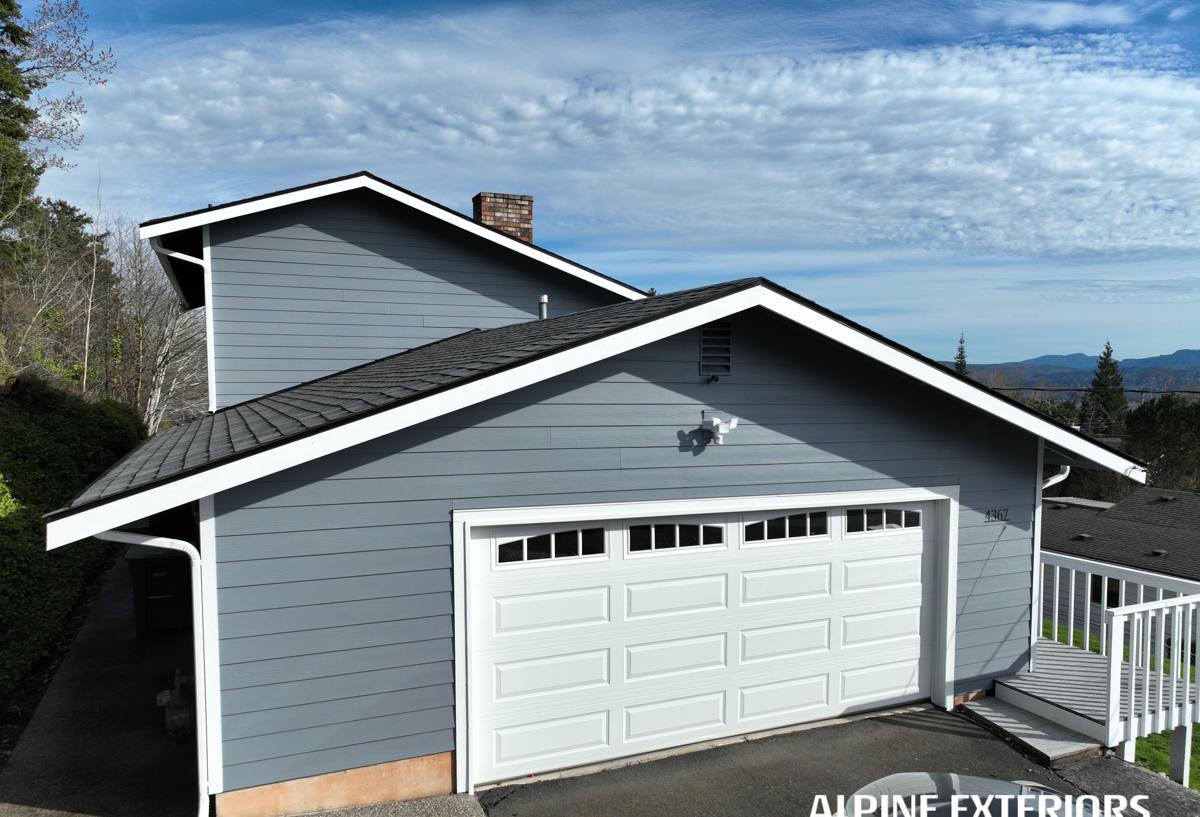
How to Tell a Roof Needs Repair, Not a Full Replacement
Most roofs don't fail all at once. They develop isolated weak points that, caught early, are a straightforward repair. Left alone, those same weak points can turn into deck rot, interior water damage, or a much larger project.
Signs Above the Roofline
- Missing, cracked, or curling shingles, or tiles that have slipped, cracked, or lost their nose
- Lifted or damaged ridge caps after high wind
- Rusted, bent, or separated flashing around chimneys, skylights, and roof-to-wall transitions
- Granule buildup in gutters, a sign the shingle surface is wearing down
- Visible sagging in a section of the roof deck
Signs Inside the Home
- Water stains or discoloration on ceilings or upper interior walls
- Musty odors in an attic or top-floor closet after rain
- Daylight visible through the roof deck from inside the attic
- Soft or spongy spots when walking the attic near a suspected leak point
Any one of these can usually be traced to a specific, repairable cause. The key is diagnosing the actual source of the water intrusion rather than treating the spot where it showed up inside the house, which is often several feet from where the water actually entered the roof system.
The Repair Types We See Most Often in Lakewood Ranch
Roofing in this part of Manatee County is a mix of tile, architectural shingle, and metal, often within the same subdivision. The right repair approach depends heavily on which system is on the house.
| Repair Type | Common Cause Locally | What a Correct Repair Involves |
|---|---|---|
| Cracked or slipped tile | Wind uplift, foot traffic, age-related brittleness from UV exposure | Matching tile profile and color, proper fastening or foam-set reattachment, checking underlayment beneath the damaged area |
| Shingle wind damage | Gusts lifting shingle tabs or tearing them loose during storms | Replacing shingles in matching style and color, resealing tabs, checking exposed nail heads for corrosion |
| Flashing failures | Salt air corrosion, thermal expansion, degraded sealant around penetrations | Removing and replacing flashing rather than just re-caulking over it, proper step or counter-flashing technique |
| Valley leaks | Heavy wind-driven rain overwhelming worn or improperly lapped valley material | Rebuilding the valley with correctly lapped underlayment and matching field material |
| Soffit and fascia damage | Wind intrusion at the roof edge, moisture trapped behind gutters | Repair or replacement of the affected boards or panels, checking for hidden rot before closing it back up |
Caulk and roofing cement have their place, but they're a short-term seal, not a repair. When a patch job relies mainly on sealant to hold back water long-term, it's usually a sign the underlying flashing or material issue wasn't actually fixed.
What a Correct Roof Repair Actually Involves
A repair that holds up in Lakewood Ranch's climate starts with matching materials correctly — tile profile, shingle style and color line, or metal panel gauge and finish — so the repaired section performs and weathers the same way as the rest of the roof. It also means checking what's underneath the visible damage. A cracked tile or torn shingle is often just the symptom; the underlayment beneath it may already be compromised from UV breakdown or a slow leak that's been running for months.
Proper flashing work matters as much as the field material. Most roof leaks in this region trace back to flashing, not the shingles or tiles themselves — around chimneys, skylights, roof-to-wall junctions, and valleys. A repair that reuses old, corroded flashing or leans on sealant instead of correct lapping and fastening technique tends to leak again within a year, especially once salt air and UV go back to work on it.
Fastening also has to account for wind uplift. Florida building code sets minimum standards for how roofing materials are attached in high-wind zones, and a repair that doesn't meet those standards is a repair that's likely to come loose again in the next significant storm.
Our Roof Repair Process
Inspection and Diagnosis
We start by tracing the leak or damage to its actual source, not just the point where water showed up inside the house. That means checking the roof surface, the flashing, the underlayment where accessible, and the attic for signs of how far moisture has traveled.
The Repair Itself
We use materials that match the existing roof and meet current wind-resistance fastening standards, and we address the root cause — whether that's a flashing detail, a section of failed underlayment, or storm-damaged material — rather than just covering the symptom.
Documentation and Follow-Up
We walk you through what we found and what was repaired, including anything worth keeping an eye on going forward. If the damage turned out to be more extensive than expected once we got into it, we'll tell you plainly before doing extra work, not after.
HOA and Deed-Restricted Communities
A lot of Lakewood Ranch is organized into planned communities with homeowners' associations and architectural guidelines, and roofing is often covered by those rules — material type, color, and sometimes even the specific tile or shingle line allowed in a given section. We're used to working within those requirements, matching existing roofing accurately so a repair doesn't create an approval headache with the HOA. If you're not sure what your community requires, it's worth checking before repair work begins so there are no surprises with an architectural review committee afterward.
Repair or Replace? How We Help You Decide
Not every roof problem calls for a full replacement, and not every roof is a good candidate for another round of patching. A few honest factors go into that call:
- Age of the roof relative to its material's typical service life
- How widespread the damage is — isolated versus scattered across multiple areas
- Condition of the underlayment, since a roof surface can look fine while the layer underneath has already failed
- Frequency of past repairs — a roof that keeps needing patches in different spots is often signaling it's near the end of its useful life
We'll give you a straight answer on which side of that line your roof falls on, including when a repair is genuinely the smarter, more cost-effective choice. We're not going to recommend a full roof when a targeted repair will do the job.
Why a Crew That Knows Lakewood Ranch Matters
Roofing needs in this area aren't generic. A crew that regularly works Lakewood Ranch and the surrounding Bradenton and Manatee County area already understands the mix of roofing materials common to the neighborhood, the permitting process locally, and the HOA approval steps many sections require. That familiarity translates into fewer surprises, faster turnaround after storm damage, and repairs that are built for how this climate actually treats a roof — not a one-size-fits-all approach imported from a different region.
Keeping Your Roof in Good Shape After the Repair
A properly done repair should hold, but a little routine attention extends the life of any roof in this climate. Consider this a simple maintenance checklist between inspections:
- Have the roof visually checked after any significant storm with sustained high winds
- Keep gutters and valleys clear of debris so water can drain as designed
- Trim back tree limbs that overhang the roofline
- Watch for granule buildup in gutters or downspouts as an early wear indicator
- Address small leaks or missing material promptly rather than waiting for the next storm season
- Schedule a professional inspection roughly once a year, or after any major wind event
If you're seeing signs of roof damage or just want an honest read on your roof's condition, we're happy to take a look. Fill out the form below for a free, no-pressure estimate on roof repair for your Lakewood Ranch home.