 Bradenton Window
 Longboat Key Siding Takes a Different Kind of Beating
A home on Longboat Key faces exposure that a house ten miles inland simply doesn't deal with. Being surrounded by open Gulf and bay water means salt-laden air is a constant, UV exposure is intense nearly every day of the year, and wind-driven rain during summer storms and tropical systems finds its way into gaps and seams that would stay dry elsewhere. Add hurricane-force wind gusts to that mix, and siding on this stretch of coastline is doing more structural work than most homeowners realize — it's not just a finish, it's the first line of defense for the wall assembly behind it.
Salt Air and UV
Salt air is corrosive to fasteners, trim, and any siding material that isn't engineered to resist it. Combined with near-constant sun exposure, it accelerates fading, chalking, and finish breakdown on products that weren't built with this environment in mind. Materials that hold up fine in a shaded, inland neighborhood can visibly degrade on a barrier island in a fraction of the time.
Wind-Driven Rain
Rain on Longboat Key rarely falls straight down during a storm — it's pushed sideways by wind, which means it's tested against every seam, joint, and penetration in the siding system. If the water-resistive barrier, flashing, or fastening underneath the siding wasn't installed correctly, this is where problems start: not as a dramatic failure, but as slow moisture intrusion behind the wall that goes unnoticed until sheathing or framing is already damaged.
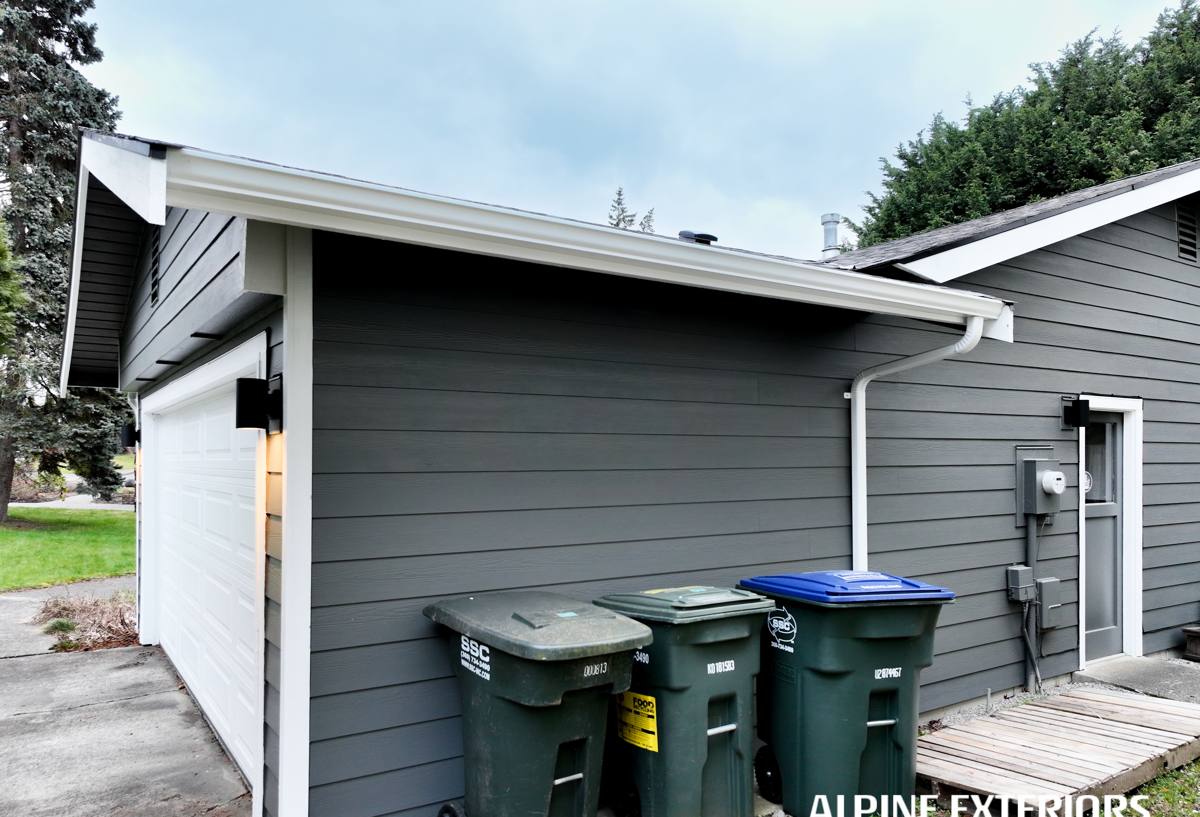
Signs a Longboat Key Home Needs Siding Replacement
Coastal siding failure is often gradual, and homeowners tend to notice the cosmetic symptoms long before they understand the underlying cause. Watch for:
- Panels that feel soft, spongy, or give slightly when pressed near the bottom edges or around windows
- Paint or finish that won't hold anymore, even after repainting — a sign the substrate underneath is failing
- Visible cracking, warping, or buckling, especially on walls that face the water or take direct afternoon sun
- Rust streaking or corrosion around fasteners and trim
- Gaps opening up at seams, corners, or where siding meets windows, doors, and the roofline
- A musty smell or discoloration on interior walls that back up to exterior siding
Any one of these on its own might just mean a repair. Several at once, or damage that keeps recurring in the same spots, usually means the siding system as a whole has reached the end of what it can protect against in this climate.
Why We Install Only James Hardie Fiber Cement Here
We don't install vinyl, LP SmartSide, or wood siding, and on a barrier island exposure like Longboat Key that decision matters more than it would somewhere inland. Vinyl softens and can distort under sustained heat and direct sun, and its seams and attachment points aren't built for the wind-driven rain this location sees regularly. Engineered wood products depend on an intact factory coating and careful field sealing at every cut edge to keep moisture out — any lapse in that during installation, or any damage over time, opens the door to swelling and deterioration in a humid, salt-heavy environment. Cedar and other natural wood siding need real maintenance discipline — regular refinishing, sealing, and inspection — to hold up against UV and moisture here, and even with upkeep, wood is more vulnerable to rot in this climate than a fiber cement product engineered for it.
James Hardie fiber cement is non-combustible, dimensionally stable, and available in HZ formulations engineered specifically for humid, high-moisture climates like Florida's Gulf Coast. The factory-applied ColorPlus finish is baked on and warranted against fading and peeling, which matters directly here — it's the finish standing up to daily UV and salt exposure, not a field-applied coat. That combination of moisture resistance, finish durability, and a strong transferable warranty is why we standardized on it rather than offering multiple siding lines.
What a Correct Siding Replacement Job Involves
Fiber cement siding is only as good as the assembly it's installed into. On a coastal, high-wind property, the details underneath the visible siding matter as much as the siding itself:
Tear-Off and Substrate Inspection
Old siding comes off down to the sheathing, and that sheathing gets inspected before anything new goes on. Hidden rot or moisture damage from years of prior water intrusion has to be repaired first — installing new siding over a compromised substrate just hides the problem instead of solving it.
Weather-Resistive Barrier and Flashing
A continuous, properly lapped weather-resistive barrier goes on before the siding, with flashing detailed correctly at every window, door, and penetration. This layer is what actually keeps wind-driven rain out of the wall assembly if it gets past the siding — it does the real work that homeowners never see.
Fastening and Clearances
James Hardie publishes specific fastener types, spacing, and installation requirements for high-wind coastal zones, and following them is non-negotiable on Longboat Key. That includes correct clearance from grade, roofing, and decks so the bottom edge of the siding isn't sitting in standing water or trapped moisture, and proper fastener penetration so panels stay secure under sustained wind loads rather than just wind gusts.
Joints, Caulking, and Finish Touch-Up
Seams and joints get sealed with a caulk rated for the movement and moisture exposure this climate creates, and any field-cut edges get properly sealed and touched up so the factory finish's protection isn't compromised at the cut line.
Our Process, Start to Finish
- On-site assessment — we walk the exterior, check for existing moisture or substrate damage, and evaluate wind and sun exposure on each elevation
- Product and color selection — choosing the right Hardie profile and ColorPlus color for the home, factoring in HOA or community guidelines where they apply
- Permitting — pulling the required permits for the jurisdiction and confirming the job meets current wind-load requirements for the property
- Tear-off and substrate repair — removing old siding, repairing any damaged sheathing or framing found underneath
- Installation to coastal spec — weather-resistive barrier, flashing, and siding installed to the fastening schedule and clearances the product requires in high-wind zones
- Final walkthrough — reviewing the completed work with the homeowner before we consider the job done
What Siding Replacement Costs Depend On
Every home is different, but the same handful of factors drive most of the cost variation we see on Longboat Key projects:
| Factor | Why It Affects Cost |
|---|---|
| Home size and wall complexity | More square footage, corners, and architectural detail mean more material and labor time |
| Substrate condition | Hidden rot or moisture damage found during tear-off requires repair before new siding can go on |
| Siding profile chosen | Hardie offers several profiles and textures; some require more detailed trim and installation work than others |
| Access and staging | Narrow lots, water-facing elevations, and limited staging space on the island can affect labor logistics |
| Trim and detail work | Windows, doors, corners, and roofline transitions all require flashing and trim work that adds time |
| Permitting requirements | Wind-load and building code requirements for this location affect the fastening and materials specified |
We give a straightforward, itemized estimate after walking the property in person — not a rough number over the phone — because these factors vary enough house to house that a real assessment is the only accurate way to price the job.
Why a Crew That Already Works Longboat Key Matters
Barrier island projects come with logistics that inland jobs don't. Material staging, equipment access, and scheduling around narrow lots and limited street space all take planning that a crew unfamiliar with the island learns the hard way, usually at the homeowner's expense in delays. A crew that already works this area understands the permitting process for the local jurisdiction, knows what wind-load documentation is typically required, and has already worked through the practical challenges of getting material onto the island and staged efficiently. That experience shows up as fewer surprises, a smoother permitting process, and a job that's installed correctly the first time for the conditions this specific location sees.
Keeping New Siding Performing in This Climate
Correct installation is most of the battle, but a small amount of upkeep goes a long way toward protecting the investment in a place like this:
- Rinse accumulated salt residue off exterior walls periodically, especially on Gulf-facing and bay-facing elevations
- Inspect caulking at seams, trim, and penetrations annually and reseal any areas that have opened up
- Keep vegetation trimmed back from siding so foliage isn't trapping moisture against the wall
- Watch for early rust staining around fasteners or trim and address it before it spreads
- Address any impact damage, cracking, or lifted panels promptly rather than waiting
None of this is heavy maintenance — it's the kind of periodic attention that keeps a correctly installed system performing the way it's designed to for years in a demanding coastal environment.
If your Longboat Key home's siding is showing signs of wear, or you're planning ahead before the next storm season, we're happy to walk the property and give you a straightforward, no-pressure estimate. Use the form below to get started.