 Bradenton Window
 Deck Repair Built for Mill Creek's Climate
Mill Creek homeowners know their outdoor living space works harder than decks in most parts of the country. Between hurricane-force winds during storm season, intense year-round UV exposure, wind-driven rain that finds its way into every seam and fastener hole, and the salt air that drifts in off the Gulf and Manatee County's waterways, a deck here ages differently than one in a drier, milder climate. We repair decks specifically for this environment, not a generic version of Florida weather.
A deck repair company that mostly works inland or up north will treat symptoms without understanding the cause. In Mill Creek, the cause is almost always some combination of moisture intrusion, UV breakdown of surface materials, and corrosion of metal fasteners and connectors. Fixing the visible problem without addressing that underlying cycle means the same repair shows up again in a year or two.
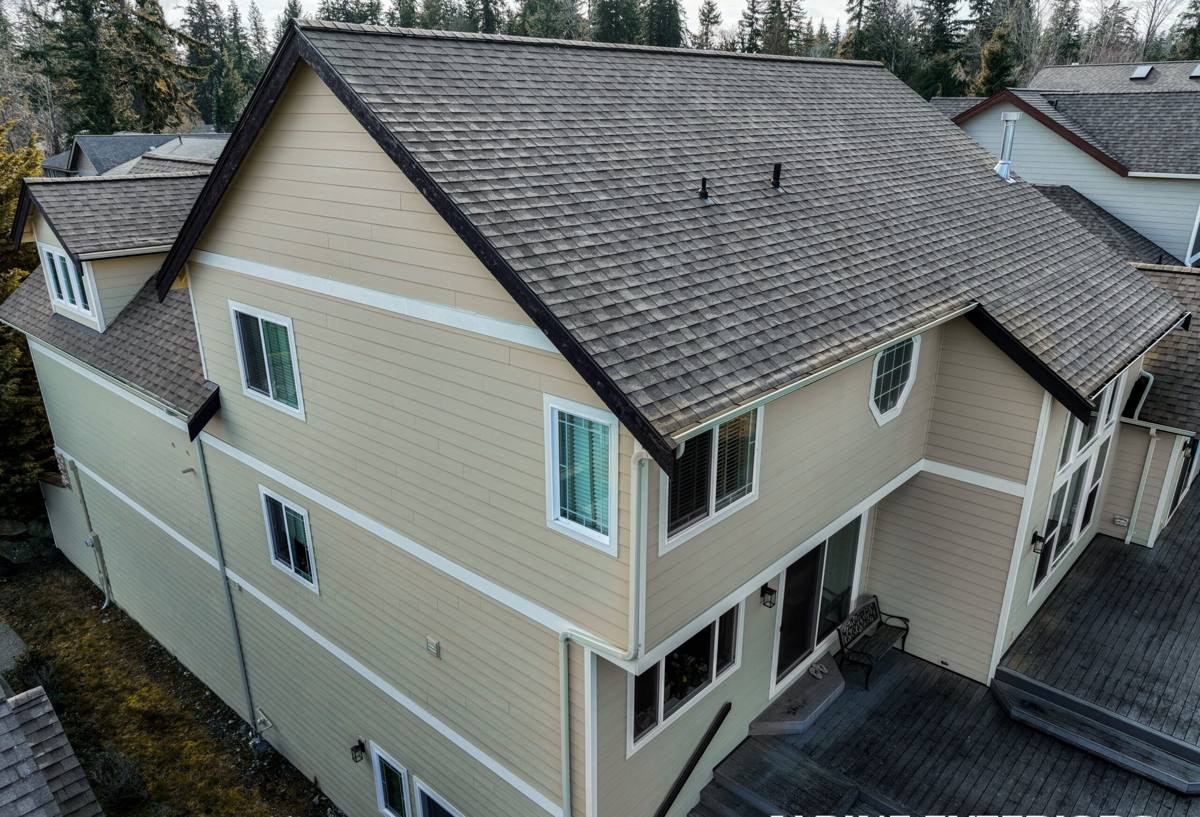
Why Decks in This Area Fail Faster Than the Manual Suggests
Sun and Heat
Bradenton sees strong, direct sun nearly every day of the year. UV radiation breaks down the lignin in wood fibers, causing graying, splintering, and surface checking. It also degrades the plasticizers in composite decking over time, which is why even "low maintenance" boards need periodic attention. Sun exposure is constant here in a way that construction manuals written for northern climates don't account for.
Wind-Driven Rain
Florida rain rarely falls straight down. During thunderstorms and tropical systems, wind pushes rain sideways and upward into ledger connections, under railing posts, and into any gap where flashing has failed or was never installed correctly. This is one of the most common sources of hidden rot we find in Mill Creek decks — the surface boards look fine, but the framing underneath has been wet for months.
Hurricane-Force Wind Loads
Even decks that never see a direct hit still absorb repeated stress from tropical storm and hurricane-force winds every season. Railings, stair stringers, and ledger board connections take the brunt of this racking motion. Fasteners loosen, brackets shift slightly, and what starts as a barely noticeable wobble becomes a real structural concern after a few storm seasons.
Salt Air
Manatee County's proximity to the coast means salt-laden air travels further inland than most homeowners expect. Salt accelerates corrosion of nails, screws, and metal joist hangers, and it can pit and dull uncoated aluminum railings. Once fasteners start corroding, they lose holding strength well before they look obviously damaged.
Signs Your Mill Creek Deck Needs Repair Now
Some deck problems are cosmetic. Others are structural and shouldn't wait. Here's what we tell homeowners to check for between professional inspections:
- Soft, spongy, or springy spots when you walk across the deck surface
- Boards that have visibly cupped, crowned, or split along the grain
- Popped, rusted, or corroded fasteners sitting proud of the board surface
- Gaps that have widened noticeably between boards since last year
- Dark staining or a musty smell near ledger boards, posts, or stairs
- Railings or stair rails that flex or wiggle more than they used to
- Visible daylight or gaps where the deck ledger meets the house
- Rust streaks running down from screws, brackets, or joist hangers
- Any post that feels loose at its base or where it meets the beam
Any one of the first six items is worth a phone call. If you're seeing softness underfoot or movement in the railings, treat it as a priority — those are the two areas most likely to cause an injury before they cause an obvious collapse.
What an Honest Deck Repair Actually Involves
A lot of deck "repairs" amount to replacing a board or two and calling it done. That's fine for a single sun-faded plank, but it's not adequate when the damage traces back to moisture or fastener failure. Our process separates cosmetic fixes from structural ones, and we tell you plainly which category your deck falls into before any work starts.
Cosmetic Repairs
This covers individual board replacement, sanding and refinishing weathered wood, resealing exposed end grain, and replacing surface-level hardware like caps and trim. These repairs restore appearance and slow further UV and moisture damage, but they don't address anything happening below the surface.
Structural Repairs
This is framing, ledger board reattachment, joist sistering or replacement, post and footing evaluation, and railing system reinforcement. Structural work requires pulling decking in the affected area to actually see the condition of the substructure — you cannot properly evaluate a joist or ledger connection from above. Anywhere we find corrosion or rot, we replace the affected member and upgrade the fasteners to a corrosion-resistant grade suited for coastal exposure, not the standard hardware that came with the original build.
Fastener and Connector Upgrades
Even when a repair is limited to a small section, we typically recommend upgrading fasteners and structural connectors in that area to hot-dip galvanized or stainless-rated hardware. In a salt-air environment, this single change often does more for the deck's long-term durability than any other part of the repair.
How Common Decking Materials Hold Up Locally
Repair strategy depends heavily on what the deck is built from. Here's how the materials we see most often in Mill Creek respond to this climate:
| Material | Common Failure Points Here | Repair Approach |
|---|---|---|
| Pressure-treated wood | Surface checking from UV, rot at ledger and post bases from trapped moisture, fastener pop | Selective board and framing replacement, resealing, fastener upgrade |
| Composite decking | Fading and chalking from UV, moisture trapped between boards and joists, edge swelling on older formulations | Board replacement, improved ventilation/spacing, hidden fastener system repair |
| Cedar or hardwood | Graying and splintering from sun, splitting at fastener points, moisture wicking at end grain | Sanding, oil-based sealing, end-grain sealing, targeted board swaps |
| Aluminum railings | Surface pitting and coating breakdown from salt air, loosening at post connections | Cleaning and recoating, hardware replacement, post reinforcement |
None of these materials are immune to Florida coastal conditions — they just fail in different ways and on different timelines. What matters more than the material itself is whether the original installation accounted for drainage, ventilation under the boards, and proper flashing at the house connection.
Repair or Replace? How We Help You Decide
Not every damaged deck needs a full rebuild, and not every deck is worth patching. We walk homeowners through this honestly rather than defaulting to whichever option is more profitable for us.
| Factor | Leans Toward Repair | Leans Toward Replacement |
|---|---|---|
| Extent of damage | Isolated to a few boards or one section | Widespread rot, multiple failed joists, or repeated past repairs |
| Ledger and framing condition | Structurally sound, connections intact | Ledger separation, compromised main beam, footing movement |
| Age of the deck | Under 10-15 years with reasonable maintenance history | Original structure well past typical service life for the material |
| Code compliance | Meets current railing height and spacing requirements | Outdated railing spacing or missing structural connectors required today |
Cost is always part of this conversation, and we give broad, honest ranges rather than a number that sounds precise but isn't. Small board and hardware repairs tend to be a modest expense. Structural framing repair involving ledger or joist work runs higher because it requires demoing decking to access the frame. Full replacement is its own project and pricing conversation — we'll tell you plainly if that's the more sensible route rather than stacking repairs on a structure that's past its useful life.
Our Deck Repair Process
- On-site inspection. We walk the entire deck, check for movement at posts and railings, probe suspect boards, and inspect the ledger connection and any accessible framing.
- Honest assessment. You get a clear picture of what's cosmetic, what's structural, and what our recommendation is — including if repair isn't the right call.
- Scope and estimate. We outline exactly what will be repaired, replaced, and upgraded, including fastener and hardware grade.
- Repair work. Affected decking is removed to expose framing where needed, damaged structural members are replaced, and connections are rebuilt with corrosion-resistant hardware.
- Finish work. New or repaired boards are sealed or finished to match as closely as reasonably possible, and railings are checked for proper tightness and code-compliant spacing.
- Final walkthrough. We go over what was done, what to watch for going forward, and a realistic maintenance schedule for this climate.
Why Hiring a Crew That Already Works in Mill Creek Matters
A deck repair crew that regularly works Manatee County homes already knows which failure patterns show up in this specific area — where moisture tends to collect, how salt air affects hardware over time, and what wind exposure does to railings and stair connections year after year. That familiarity means less guesswork and fewer surprises once decking comes up and framing is exposed.
It also means we're not learning Florida building requirements for decks and railings on your project. Correct fastener spacing, railing height, and structural connector requirements aren't optional details — they're what keeps a repaired deck safe under the next big storm, not just presentable for the next barbecue.
Keeping Your Deck in Good Shape After the Repair
A repair is only as good as the maintenance that follows it, especially in this climate. A few habits make a real difference:
- Rinse off salt residue and debris periodically, especially after storms
- Reseal wood decking on a regular schedule rather than waiting until it looks gray and dry
- Check railings and stair connections for looseness once or twice a year
- Keep gutters and downspouts clear so runoff isn't dumping extra water onto or near the deck
- Address small issues — a popped fastener, a hairline gap at the ledger — before the next storm season rather than after
Decks in Mill Creek don't fail because the materials are bad. They fail because moisture, UV, wind, and salt air are relentless here, and small issues get ignored until they compound. Catching problems early is almost always cheaper and simpler than catching them late.
If your deck has soft spots, loose railings, corroded hardware, or you just want an honest opinion on whether repair or replacement makes more sense, we're happy to take a look. Fill out the form below for a free, no-pressure estimate — we'll tell you exactly what we see and what we'd recommend.