 Bradenton Window
 Building in Mill Creek? The Windows You Choose Now Set the Tone for Decades
Mill Creek is one of the established residential communities on the Bradenton side of Manatee County, and whether you're building a custom home there or working with a builder on a new-construction lot, the window package you choose during framing is not something you get to easily revisit later. New-construction windows are installed before the exterior finish goes on, which means the flashing, the fastening, and the frame all become part of the building envelope itself. Get it right the first time and the house stays dry and sound through decades of Gulf Coast weather. Get it wrong and you're chasing leaks, stains, and warranty disputes for years.
Bradenton's climate is not gentle on a home's exterior. Hurricane-force winds are a real design load here, not a hypothetical. The sun is intense and constant almost year-round, which degrades weatherstripping, seals, and vinyl surfaces faster than in northern climates. Wind-driven rain during storms tests every seam in a window installation, not just the glass. And salt air moving inland off Tampa Bay and the Gulf accelerates corrosion on hardware, fasteners, and frame components that aren't rated for coastal exposure. A new-construction window package for a Mill Creek home has to be selected and installed with all four of those factors in mind at once.
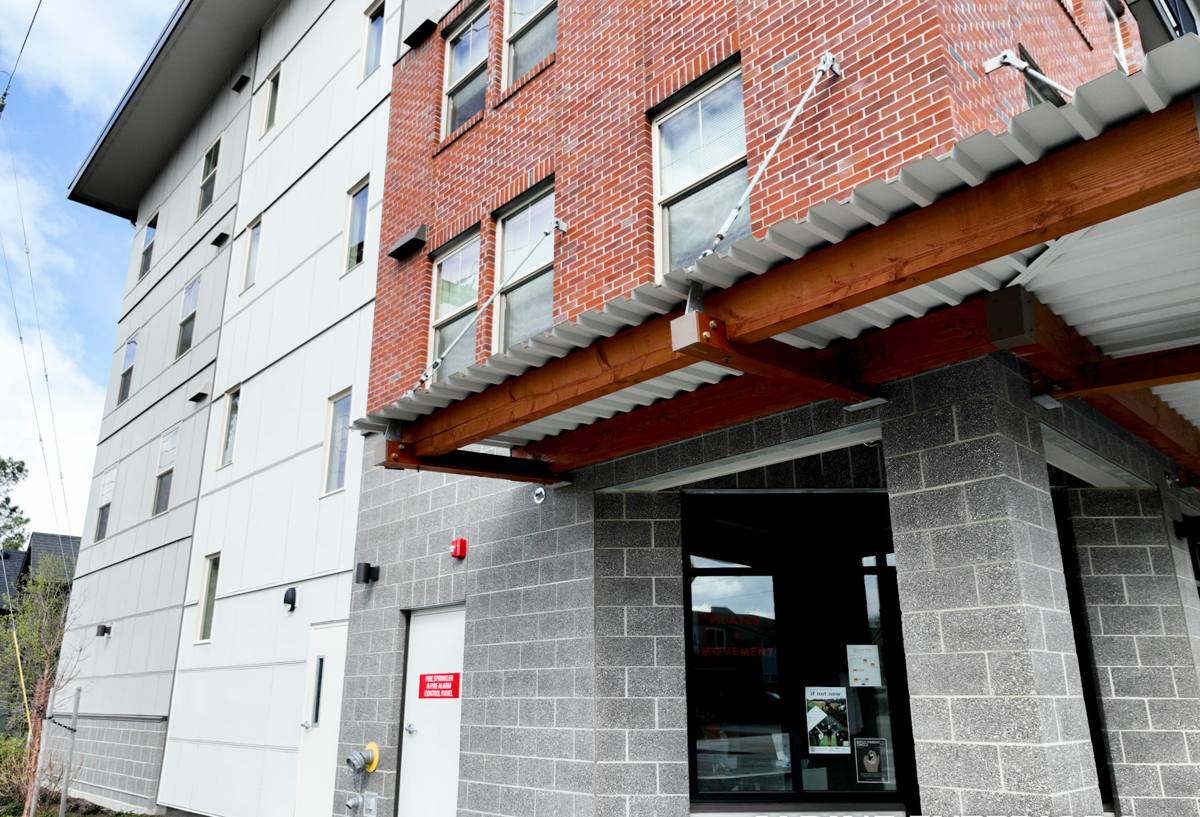
New-Construction Windows Are a Different Job Than Replacement Windows
It's worth being clear about the distinction, because the two jobs are installed differently and priced differently. Replacement windows go into an existing opening, often using the old frame as a reference and working around finished interior and exterior surfaces. New-construction windows are installed into a rough opening before the exterior wall finish — stucco, siding, or brick veneer — is applied. That gives us access to the full opening and the structural framing around it, which is actually the advantage: we can flash, seal, and fasten the window as part of the wall assembly instead of retrofitting around finished surfaces.
The Nailing Fin and Flashing Sequence
Most new-construction windows use a nailing fin (sometimes called a flange) around the perimeter of the frame that fastens directly to the wall sheathing. The sequence matters more than the window itself in a lot of failure cases we've seen on other jobs:
- Sill pan flashing goes in first, sloped to shed any water that gets past the window back to the outside, not into the wall cavity
- The window is set, leveled, and shimmed so it's square in the opening before a single fastener goes in
- Side and head flashing tape overlaps the sill flashing in the correct shingle-style order — water always has to be directed downward and outward, never trapped behind a lapped seam
- Fasteners go into structural framing at the manufacturer's specified spacing, not just wherever is convenient
- A compatible sealant backs up the flashing at the perimeter — mismatched sealants and tapes can fail to bond and defeat the whole system
Skip or rush any one of those steps and the window can look fine on install day and still leak the first time a summer storm hits it sideways.
What Manatee County Code Expects for a New Build
New-construction windows in Manatee County have to meet the wind-load and wind-borne-debris provisions of the Florida Building Code for our design wind speed. In practice that means the window itself has to carry a valid Notice of Acceptance (NOA) or Florida Product Approval number rated for the pressures and impact requirements at your specific site, and the installation has to match the manufacturer's approved installation instructions to keep that rating valid. This isn't paperwork for its own sake — it's what determines whether the window actually performs when a named storm comes through, and it's what your building inspector will check before the exterior finish can close over it.
Two products commonly satisfy the impact requirement: laminated impact-rated glass, which stays intact and in the frame even when the outer pane cracks, or standard glass paired with code-approved hurricane shutters or panels the homeowner deploys before a storm. For new construction, most homeowners in this area choose impact glass because it's permanently in place — there's nothing to store, retrieve, or install under time pressure when a storm is approaching, and it also cuts down on UV heat gain and outside noise every single day the storm isn't happening.
Choosing Frame Material and Glass for a Mill Creek Lot
The right window spec depends on your exposure — how close the lot sits to open water or wide-open wind paths, how much direct west or south sun the elevation gets, and what the builder's plans call for on wind pressure ratings. Here's how the common frame options compare for a coastal Manatee County build:
| Frame Material | Salt-Air Resistance | Typical Cost Position | Best Fit |
|---|---|---|---|
| Vinyl | Good — won't corrode, UV-stabilized formulas hold up well | Lower to mid | Most Mill Creek homes; strong value for the performance |
| Aluminum | Fair — needs a quality powder coat or anodized finish to resist corrosion | Mid | Larger openings needing a narrower, stronger frame profile |
| Fiberglass | Excellent — dimensionally stable, resists both UV and salt exposure | Higher | Owners planning to stay long-term and wanting the lowest-maintenance option |
| Wood-clad | Poor without diligent maintenance — moisture and salt attack exposed wood | Higher | We generally steer new-construction coastal clients away from this in favor of clad alternatives with less upkeep |
We don't push one brand or material on every job. What we do insist on is matching the product's actual wind and impact rating to your site's requirements, and being straight with you about the maintenance tradeoffs before you commit — not after the windows are in and the stucco has closed around them.
What a Correct New-Construction Window Job Involves, Start to Finish
A proper job is more than setting glass in a hole. Before installation begins, we confirm rough opening sizes against the approved window schedule, check that the product NOA matches the pressure zone for your lot, and review the flashing plan with the builder or general contractor so there's no ambiguity about sequencing with the house wrap or stucco. During installation, every opening gets sill pan flashing, correct fastening, and properly lapped weatherproofing tape before the exterior finish crew ever shows up. After installation, we walk the openings again to confirm operation, check seals, and make sure everything is ready for the building inspector.
A Practical Checklist for Homeowners Working With a Builder
- Confirm the window schedule lists the correct NOA or product approval number for each opening size
- Ask who is responsible for sill pan flashing — the window crew or the framing crew — before work starts, so it isn't missed between trades
- Get written confirmation of impact rating (glass) versus shutter-protected design, since that affects daily comfort, not just storm prep
- Verify fastener type and spacing match the manufacturer's installation instructions, not a generic nailing schedule
- Have the installer walk you through each window's operation before the exterior finish closes access to the frame
Our Process for Mill Creek New-Construction Jobs
We coordinate directly with your builder or general contractor rather than working in isolation, because new-construction scheduling only works when the trades are talking to each other. That starts with reviewing the plans and window schedule before we ever show up on site, so any conflicts between the architectural drawings and the actual framed openings get caught early instead of on install day. We order product to match the approved specs, install according to the manufacturer's flashing and fastening instructions, and stay available through the inspection process if the building department has questions about the installation. If you're the homeowner overseeing your own build, we'll walk you through the choices in plain terms — what the different NOA ratings actually mean for your specific lot, and where spending more on frame material or glass genuinely pays off versus where it doesn't.
Why a Crew That Already Works in Mill Creek Matters
Manatee County's permitting and inspection process has its own rhythm, and the wind and impact requirements that apply to a Mill Creek lot are tied to the specific wind speed zone the property sits in — that's not identical everywhere in the county, let alone everywhere in Florida. A crew that regularly works new construction in this area already knows what the local building department looks for at inspection, has a working relationship with area builders on scheduling, and has seen firsthand how these specific window products hold up a few storm seasons in after the sales pitch is long forgotten. That local track record is worth more than a lower bid from a crew that's installing to a different county's wind zone and finding out the hard way what changes here.
Maintenance Realities After the Build Is Done
New-construction windows in this climate need a little ongoing attention even after a correct install. Salt air will slowly work on hardware and weep-hole screens, so rinsing frames periodically and keeping weep holes clear of debris helps water drain the way it's designed to. UV exposure is hardest on the west- and south-facing elevations — expect weatherstripping and seals there to need inspection sooner than on shaded sides of the house. None of this is unusual for coastal Florida construction, but knowing what to check keeps small issues from becoming warranty claims.
If you're planning a new build in Mill Creek or already working with a builder there, we're happy to take a look at your window schedule and talk through what makes sense for your specific lot and exposure. Reach out for a free, no-pressure estimate using the form below — there's no obligation, just a straight answer about what your home needs.