 Bradenton Window
 Roofing in Palmetto Means Building for the Gulf Coast, Not Just Florida
Palmetto sits right on the Manatee River, a short run from Tampa Bay and the open Gulf beyond it. That location is part of what makes the area a great place to live, and it's also exactly why roofs here fail faster than roofs built the same way inland. A correctly installed asphalt shingle roof in this part of Manatee County has to hold up against hurricane-force wind gusts, months of intense subtropical UV exposure, wind-driven rain that gets forced sideways under poorly sealed edges, and a steady drift of salt air off the water that accelerates corrosion on every exposed metal component. None of that is exotic information to a roofer who works this area regularly. It's just the baseline.
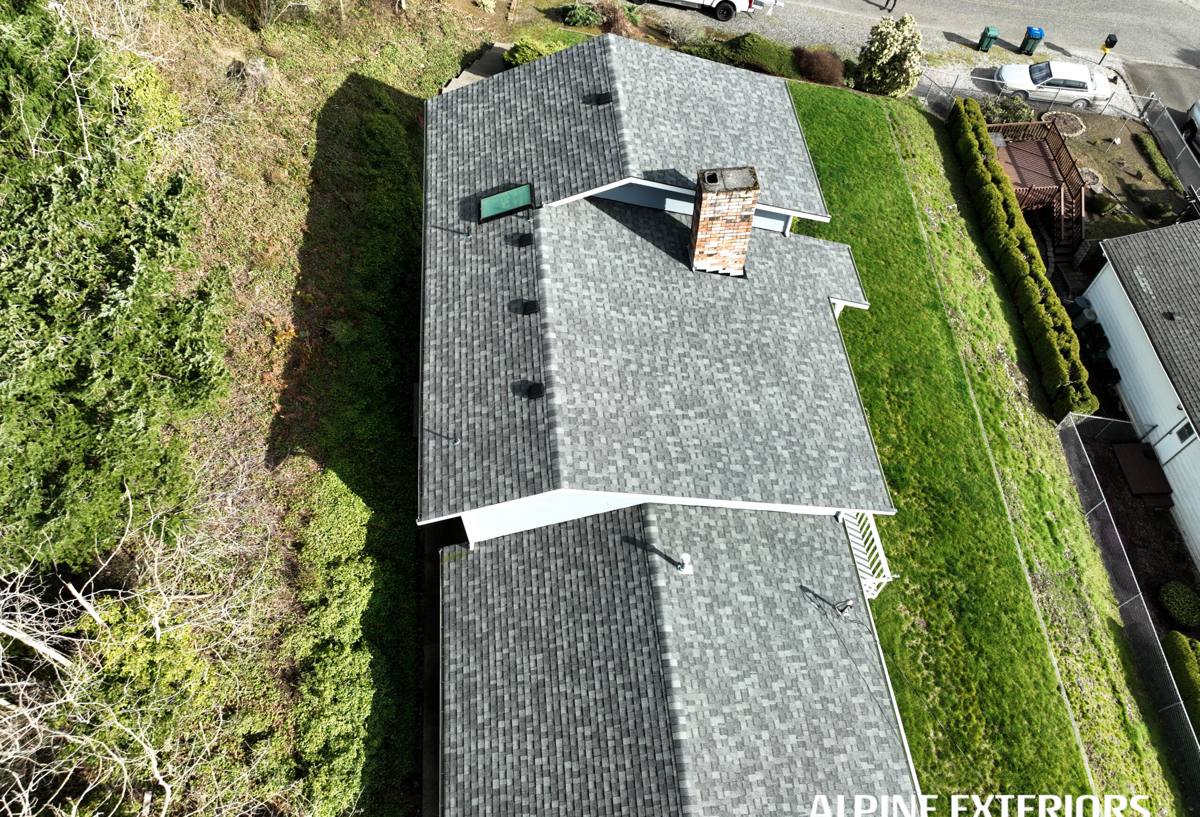
This page is about one thing specifically: asphalt shingle roofing for homes in and around Palmetto. Not a general overview of every roofing material we offer, and not a page written for a different climate and lightly reworded. What follows is what actually matters for a shingle roof on a Palmetto home — what the climate does to it, what a correctly built system looks like, and what our process involves from first look to final inspection.
What Hurricane Wind, UV, and Salt Air Actually Do to a Shingle Roof
Wind
Shingles fail from the edges in. Wind doesn't need to be a named storm to do damage — sustained gusts during a routine summer thunderstorm can work under a shingle tab that wasn't sealed or nailed correctly and start a lifting cycle that gets worse every time it happens. Once a tab lifts, wind-driven rain gets underneath it, and the next storm lifts it further. Ridge caps, hip lines, and rake edges take the brunt of this because wind uplift is strongest at roof edges and transitions, which is exactly why nailing pattern and edge detailing matter more here than they would on a low-wind inland roof.
UV
Florida sun is harder on asphalt shingles than sun almost anywhere else in the continental U.S. The granules on a shingle's surface exist to protect the asphalt underneath from UV breakdown. Under this much year-round sun exposure, that granule layer wears faster, and once it thins, the asphalt below dries out, becomes brittle, and loses the flexibility that lets it handle thermal expansion without cracking. This is a slow process you won't notice day to day, but it's the reason a shingle roof's real-world lifespan in this area tends to run shorter than the manufacturer's rated lifespan assumes for a more moderate climate.
Wind-driven rain
Ordinary rain falls straight down and sheds off a roof the way it's designed to. Wind-driven rain during a tropical system or a strong squall line comes in sideways and can be forced up and under shingle edges, around vent penetrations, and into any flashing detail that isn't sealed correctly. This is why underlayment and flashing quality matter as much as the shingles themselves — the shingles are the first line of defense, but the underlayment beneath them is what keeps water out of the roof deck when wind pushes rain somewhere it normally wouldn't go.
Salt air
Palmetto's proximity to Tampa Bay and the Gulf means a steady low-level presence of salt in the air, even on days with no storm in sight. Salt air corrodes exposed metal — nail heads, drip edge, flashing, and vent stacks — faster than it would inland. Roofing hardware that isn't rated for coastal exposure can start showing rust and pitting years before it would in a landlocked part of the state, which is why material selection for fasteners and flashing isn't a place to cut corners on a Palmetto roof.
What a Correctly Built Shingle Roof Needs in This Area
None of the climate factors above are a reason to avoid asphalt shingle roofing — it remains one of the most cost-effective, widely available, and proven roofing systems for Florida homes when it's installed correctly for the conditions. "Correctly" is the operative word. A shingle roof built to survive Manatee County weather needs several things working together as a system, not just quality shingles nailed to a deck.
- High wind-rated shingles installed with the manufacturer's specified nailing pattern — not a generic pattern, and not fewer nails than called for to save time
- Enhanced or sealed underlayment that acts as a true secondary water barrier, not just a slip sheet under the shingles
- Starter strip shingles at eaves and rakes with factory adhesive, since these edges are the first place wind uplift attacks
- Corrosion-resistant flashing and fasteners around every penetration — vent stacks, chimneys, skylights, and wall-to-roof transitions
- Balanced attic ventilation so heat and moisture don't build up under the deck and cook the shingles or underlayment from below
- A sound, properly prepared deck underneath all of it, since even the best shingle system fails early over rotten or improperly fastened sheathing
Skip any one of these and the roof's true weak point isn't the shingle brand printed on the wrapper — it's whatever corner got cut underneath it.
Signs a Palmetto Home Needs Shingle Roof Repair or Replacement
Most roof failures don't happen all at once. They show early warning signs for months, sometimes years, before a leak actually shows up inside the house. Homeowners who know what to look for can often catch a problem while it's still a repair instead of a full replacement.
- Shingles that are curling, cupping, or visibly lifting at the edges
- Bald or thin-looking patches where granules have worn away, exposing darker asphalt underneath
- Granules collecting in gutters or at the base of downspouts after rain
- Cracked shingles, especially in areas that get the most direct afternoon sun
- Visible rust streaking near flashing, vent stacks, or nail heads
- Soft spots or noticeable sagging anywhere on the roof plane
- Daylight visible through the roof deck from inside the attic
- Water stains on interior ceilings, especially after a windy rainstorm rather than a calm one
- A roof that's approaching or past the age range typical for its shingle type, even with no obvious damage yet
One or two of these on their own might mean a targeted repair is enough. Several at once, or any sign of active water intrusion, usually means it's time for a full inspection to figure out whether repair or replacement is the honest recommendation.
How Our Asphalt Shingle Roofing Process Works
- Inspection and honest assessment. We look at the whole system — shingles, flashing, ventilation, and where visible, the deck — and tell you plainly whether you're looking at a repair or a replacement, and why.
- Written scope and estimate. You get a clear breakdown of what's being done, the materials involved, and the cost, before any work starts. No vague allowances.
- Deck inspection and repair. Old roofing is removed and the deck is checked for soft or damaged sheathing. Any bad wood gets replaced — this step gets skipped by corner-cutters and it's the single biggest predictor of how long a new roof will actually last.
- Underlayment installation. A full underlayment system goes down as the roof's secondary water barrier, with extra attention at valleys, eaves, and any low-slope transitions.
- Flashing and edge metal. New drip edge, step flashing, and penetration flashing go in using corrosion-resistant materials suited to coastal air, not whatever was reused from the old roof.
- Shingle installation. Shingles go down starting with sealed starter strips, following the manufacturer's wind-rated nailing pattern the whole way up, through valleys, hips, and ridge.
- Ventilation check. We confirm intake and exhaust ventilation are balanced so the attic can actually breathe — critical for shingle lifespan in this heat and humidity.
- Final walkthrough and cleanup. We walk the job with you, answer questions about warranty coverage, and make sure the property is cleared of debris and stray nails before we consider it done.
Shingle Options for Palmetto Homes: What the Tiers Actually Get You
Not every home needs the top-tier product, and we're not going to tell you it does. What matters is understanding what you're actually paying for at each level so the decision is an informed one, not a guess.
| Shingle Tier | Typical Wind Rating | Best Fit For | Trade-Offs |
|---|---|---|---|
| 3-Tab (Standard) | Lower end of rated range | Budget-conscious projects, rental or secondary properties | Flatter appearance, shorter realistic lifespan under coastal UV and wind exposure |
| Architectural / Dimensional | Mid-to-high rated range | Most primary homes in this area | Higher upfront cost than 3-tab, but noticeably better wind performance and a longer service life that usually justifies the difference |
| Impact-Rated / Premium Architectural | Highest available rating | Homeowners prioritizing maximum wind resistance and potential insurance credits | Highest material cost; benefit is strongest for homes with high wind or hail exposure and for owners planning to stay long-term |
In practice, the majority of the shingle roofs we install on Manatee County homes are architectural-grade, because the modest cost difference over 3-tab is usually paid back many times over in wind performance and appearance alone. We'll walk you through where your specific home and budget land on this table rather than defaulting you to whatever's most profitable for us to sell.
What's Underneath the Shingles Matters As Much As the Shingles
Underlayment
A shingle roof isn't a single waterproof layer — it's a system where the shingles shed the majority of water and the underlayment beneath catches whatever gets past them, whether that's from wind-driven rain, ice-free but heavy tropical downpours, or a shingle that eventually gets damaged. On coastal homes we lean toward enhanced synthetic or self-adhered underlayment products in the areas most exposed to wind-driven water, because the underlayment is doing real structural work here, not just serving as a formality between deck and shingle.
Ventilation
Attics in this climate get hot, and hot, poorly ventilated attic space cooks a shingle roof from underneath while it's also baking from above in the sun. Balanced ventilation — intake low at the eaves, exhaust high at the ridge — lets that heat and moisture escape instead of shortening the life of the shingles, the underlayment, and the deck itself. This is one of the most overlooked parts of a roofing job because it's invisible once the job is done, but it has an outsized effect on how long the roof actually lasts.
Flashing and fasteners
Every penetration in a roof — vent stacks, chimneys, skylights — is a potential leak point, and every leak point is only as good as its flashing. In a salt-air environment, the corrosion resistance of flashing and fasteners isn't a nice-to-have upgrade, it's a baseline requirement for the roof to perform anywhere near its expected lifespan.
Permits, Codes, and Insurance Considerations in Manatee County
Roofing work in Palmetto requires a permit through Manatee County, and inspections happen at defined points in the process to confirm the work meets current Florida Building Code requirements for wind resistance and installation method. We handle the permitting and scheduling of those inspections as part of the job — it's not an extra step you have to manage yourself.
It's also worth understanding how your roof interacts with your homeowner's insurance. Many carriers offer premium credits tied to documented wind mitigation features — things like the type of roof covering, the roof-to-wall connection method, and the shape of the roof deck. A correctly installed, properly permitted shingle roof with the right nailing pattern and connection details can support a wind mitigation inspection that may lower your premium. We can't quote or guarantee insurance outcomes, since that depends on your specific carrier and policy, but we build every roof to a standard that gives you the best documentation to work with when you have that inspection done.
Why It Matters That We Already Work in Palmetto
A crew that only occasionally works this stretch of the Gulf Coast is guessing at things a local crew already knows cold: how Manatee County permitting and inspection actually run, which flashing and fastener choices hold up against this specific level of salt air, and what nailing and ventilation practices actually matter once hurricane season arrives instead of just what a spec sheet recommends in general. That familiarity shows up in details — the extra attention at rake edges because that's where wind uplift starts, the underlayment choice at valleys because that's where wind-driven rain concentrates, the fastener grade because standard hardware corrodes faster this close to the water.
It also means straightforward answers. When we tell you a repair will hold or a full replacement is the honest call, that's based on what we've actually seen hold up — and fail — on roofs like yours, in this exact climate, not a generalized recommendation pulled from a market with different weather entirely.
Get a Free, No-Pressure Estimate
If your Palmetto home's shingle roof is showing its age, took wind damage in a recent storm, or you're just trying to plan ahead before it becomes an emergency, we're glad to take a look. The estimate is free, there's no pressure to commit to anything on the spot, and you'll get a plain explanation of what we see and what your realistic options are. Fill out the form below to get started.