 Bradenton Window
 Building a Deck That Can Actually Handle Palmetto's Climate
Palmetto sits right along the water near Bradenton, and that location is exactly what makes deck-building here different from most of the country. A composite deck installed the same way you'd build one in Ohio or Georgia will not hold up the same way in Manatee County. Between the intense year-round sun, the salt-laden air off the Gulf and Tampa Bay, wind-driven rain from summer storms, and the real possibility of hurricane-force wind loads, a deck here needs to be planned and built for this specific environment, not just assembled from a box of parts.
Composite decking is a smart material choice for Palmetto homeowners precisely because it resists a lot of what this climate throws at wood. But the material is only half the equation. How the substructure is framed, how the boards are fastened, how water is allowed to drain, and how the deck ties into your house all matter just as much as which brand of composite you choose. This page walks through what a correctly built composite deck looks like for a Palmetto property, and what to expect if you're planning one.
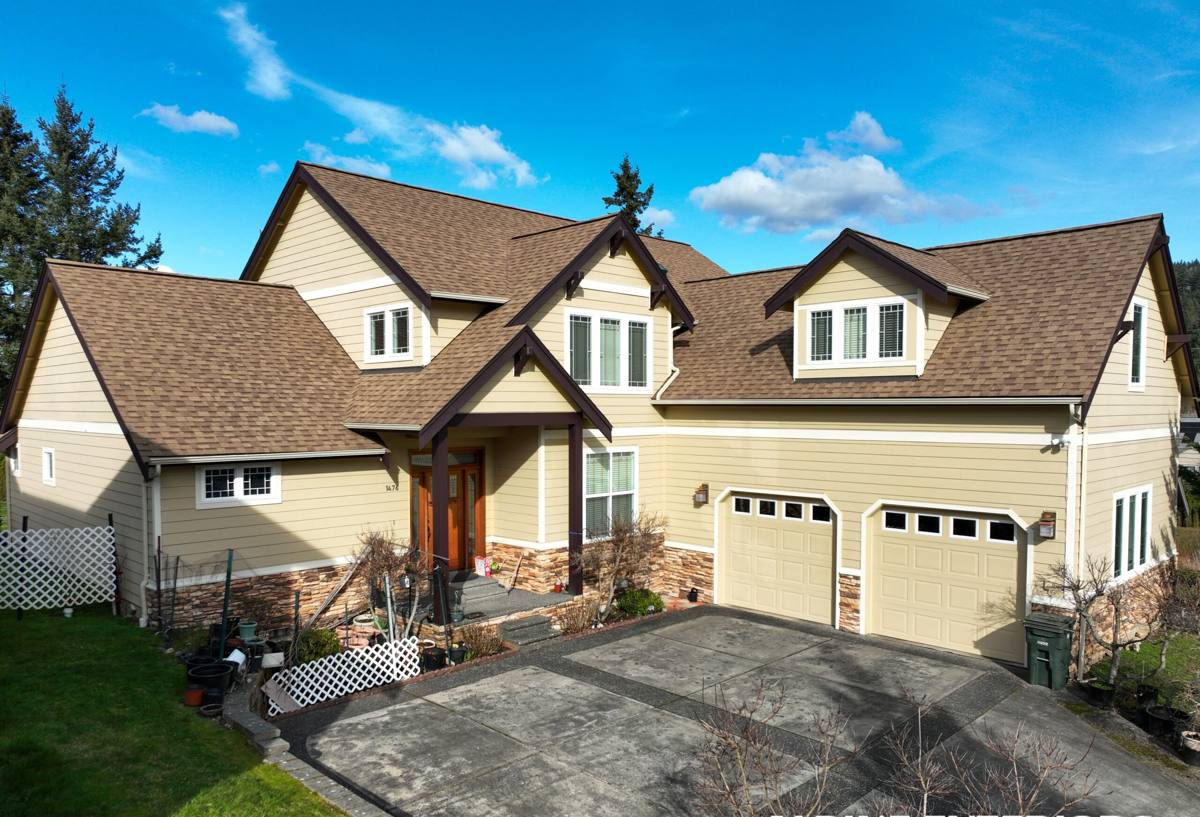
What Sun, Salt Air, and Storms Do to a Deck Over Time
UV and Heat
Florida sun is relentless, and a deck facing west or south gets hit with hours of direct exposure most days of the year. Lower-quality composite boards without a real protective cap can fade unevenly, chalk on the surface, or soften and warp under sustained heat. Board color also affects comfort — very dark composite boards can get uncomfortably hot underfoot on a summer afternoon, which is worth thinking about before you pick a color.
Wind-Driven Rain and Humidity
Afternoon thunderstorms in this area often come in sideways, not straight down. That means water gets pushed under railings, into gaps, and against the house at the ledger connection — not just onto the top of the deck. Combined with Manatee County's high ambient humidity, any wood framing underneath a deck that isn't properly treated, sealed, or ventilated is at real risk of rot, even if the decking boards on top are composite.
Salt Air and Corrosion
Proximity to the Gulf and the bay means the air here carries salt, and salt accelerates corrosion on anything metal. Standard hardware store fasteners, brackets, and screws will rust and stain a deck faster in Palmetto than they would inland. This is one of the most common shortcuts we see on decks that were built cheaply or by crews unfamiliar with coastal conditions.
Hurricane-Force Wind Loads
A deck isn't just a surface to walk on — it's a structure that has to resist uplift and lateral wind force during storm season. Railings, posts, and the ledger attachment to your home are the parts most likely to fail under wind pressure if they weren't engineered and fastened correctly in the first place.
Choosing the Right Composite Board for This Area
Not all composite decking is built the same, and in a climate like this, the differences matter more than they would elsewhere. The table below breaks down how the common decking options actually perform under Palmetto conditions.
| Material | Sun & Heat Behavior | Moisture & Salt Air Behavior | Maintenance |
|---|---|---|---|
| Pressure-treated wood | Fades, checks, and splinters under sustained UV | Prone to warping, rot, and fastener corrosion staining | Regular sealing/staining required |
| Uncapped composite | Can fade and absorb heat over time | More susceptible to moisture absorption at cut edges | Low, but not maintenance-free |
| Capped composite | Resists fading and surface heat buildup better | Cap layer resists moisture absorption and staining | Very low — rinse and go |
| PVC decking | Excellent UV and heat resistance | Fully moisture resistant, no organic material to rot | Very low, higher upfront cost |
For most Palmetto homes, a fully capped composite board is the right balance of durability and cost. It handles UV exposure and humidity well without the premium price tag of full PVC decking, and it doesn't carry the ongoing maintenance burden of wood in a climate this harsh on organic materials.
What a Correctly Built Composite Deck Involves
Substructure and Framing
The framing underneath your composite boards does most of the real work. We build to tighter joist spacing than many wood-deck standards call for, because composite behaves differently under load and heat than solid lumber. Joist tape over the framing is standard on our builds — it's a thin protective layer that keeps wind-driven rain and standing moisture from soaking directly into the wood substructure, which is where hidden rot problems usually start.
Fasteners and Hardware
Every screw, bracket, and connector on a deck we build in this area is rated for coastal or marine-grade use — stainless steel or a comparable corrosion-resistant coating. This is a small line-item cost that prevents rust streaks, weakened connections, and premature hardware failure a few years down the road.
Drainage, Spacing, and Airflow
Composite boards expand and contract with heat, and they need consistent gapping to handle that movement and let water drain through rather than pool on the surface. We also make sure there's enough airflow under the deck so any moisture that does get underneath can dry out instead of sitting there.
Railings, Stairs, and Attachment to the House
The ledger board — where the deck attaches to your house — is the single most important structural and moisture point on the whole project. Poor flashing here is a common source of both water intrusion into the home and structural failure in high wind. Railing posts are anchored to resist lateral wind loads, not just bolted on for looks, and baluster spacing is built to current code.
Permitting and Manatee County Wind Requirements
Most deck projects in Palmetto require a building permit through Manatee County, and structures need to meet the county's wind-load requirements given the area's hurricane exposure. This affects footing depth, post sizing, and how the deck ties into the house structurally. Skipping the permit process might save time up front, but it can create real problems at resale, with insurance, or if the deck is ever damaged in a storm and you need it repaired or replaced under warranty. We handle the permitting on our projects so you don't have to navigate the county process yourself.
Our Process, Start to Finish
- On-site assessment of your existing deck or build area, including sun exposure, drainage patterns, and how the deck will tie into the house
- Material recommendation based on your budget, sun exposure, and how much maintenance you actually want to do
- Permit application through Manatee County before any work begins
- Demolition of any existing structure and inspection or repair of framing underneath
- Framing, joist protection, and structural connections built to coastal wind and moisture standards
- Composite board installation, trim, and railing work
- Final walkthrough and county inspection sign-off
Why Local Experience in Palmetto Matters
A crew that works this area regularly has already seen what happens when a deck is built without accounting for salt air, wind-driven rain, and hurricane wind loads — because we've been called to fix those decks. That experience shapes how we frame, fasten, and flash every project, before problems ever show up. It also means we know the Manatee County permitting process and inspection expectations, so there are no surprises partway through your project.
Living With Your Deck: Maintenance in Gulf Coast Conditions
One of the real advantages of capped composite decking is how little upkeep it needs compared to wood — no sanding, staining, or sealing. But "low maintenance" in Palmetto still means a bit more attention than it would inland:
- Rinse the deck periodically to clear salt residue, pollen, and organic debris, especially from board gaps
- Keep gutters and downspouts near the deck clear so water isn't dumping onto or under the structure
- Check railing and post hardware once a year for any early signs of corrosion or loosening
- Trim back plants and landscaping that trap moisture against the deck's edges or substructure
- After a major storm, walk the deck and check railings, stairs, and the ledger connection for movement
Cost Factors to Expect
Composite decking costs vary based on size, board tier, and how much structural work is needed underneath. The table below outlines the main factors that move the price up or down on a Palmetto project.
| Factor | How It Affects Cost |
|---|---|
| Board tier (entry vs. premium capped composite) | Premium capped boards cost more upfront but resist fading and moisture better long-term |
| Substructure condition | Rotted or undersized existing framing adds repair or rebuild cost |
| Deck size and shape | Complex shapes, multiple levels, or curves increase labor and material |
| Railing style | Composite or metal railing systems cost more than basic wood rail |
| Height and stairs | Elevated decks need additional footings, framing, and stair structure |
| Permitting and inspection | Required by Manatee County for most attached deck structures |
Before you commit to any decking project, it's worth asking a few pointed questions:
- Does the quote include permitting, or is that a separate cost you'll need to handle?
- What fastener and hardware grade is being used — standard or coastal-rated?
- Is joist tape or equivalent moisture protection included on the framing?
- Is the composite board fully capped, and what's the manufacturer's warranty?
- How is the ledger board being flashed where it meets your house?
If you're weighing a new composite deck or need an honest look at an existing one, we're happy to come take a look. The estimate is free, there's no pressure, and you'll get a straight answer about what your Palmetto property actually needs — just fill out the form below to get started.