 Bradenton Window
 Board & Batten Siding Is Everywhere in Parrish's New Construction — Here's What Makes It Last
Drive through the newer subdivisions going up around Parrish and you'll see the same style showing up on home after home: clean vertical lines, wide flat boards, narrow battens covering the seams. It's a look builders love because it reads as modern farmhouse or coastal cottage depending on the trim color, and it breaks up what would otherwise be a flat, featureless elevation. The problem is that board and batten is one of the least forgiving siding styles to install badly, and Parrish's climate has a way of finding every shortcut a crew took.
This page is about that one service — board and batten siding for homes in and around Parrish — not siding in general. If you're planning new construction, a renovation, or replacing a style that's already failing on your house, here's what actually matters.
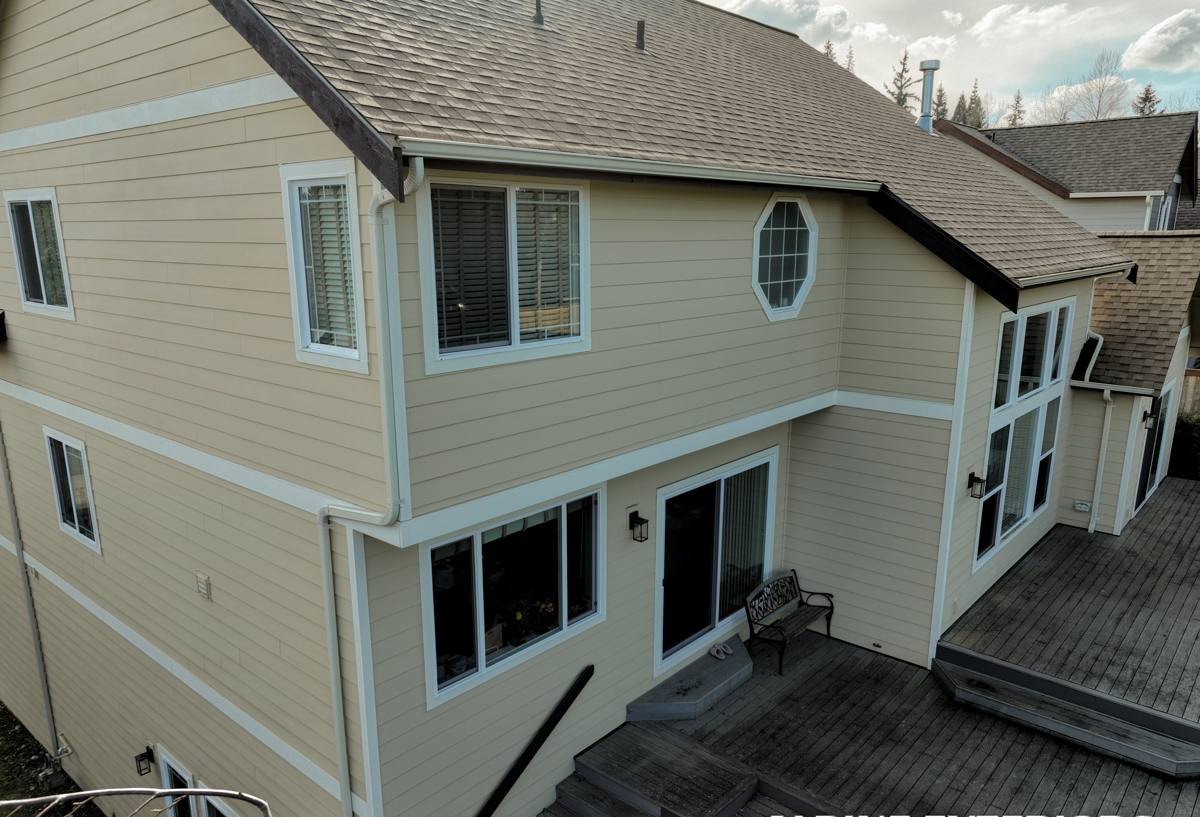
What Manatee County's Climate Does to Vertical Siding
Board and batten is more exposed to the elements than lap siding in a few specific ways, and Parrish's weather leans on every one of them.
- Hurricane-force wind gusts put direct uplift and lateral pressure on wide, flat panels — fastening pattern and edge attachment matter more than on narrower lap boards.
- Intense, near-constant UV exposure bakes vertical surfaces that get more direct sun angle through the day than horizontal lap siding does, which accelerates fading and breakdown of lower-grade coatings.
- Wind-driven rain gets pushed sideways and upward, testing the batten-to-panel seams and any horizontal joint far more than it would test a shingle-lap surface designed to shed water downward.
- Salt-laden coastal air that reaches into Manatee County corrodes cheap fasteners and accelerates the failure of materials that weren't built for a marine-influenced environment.
None of that means board and batten is a bad choice for a Parrish home. It means the material and the installation both have to be right, because this style has fewer places to hide a mistake than a standard horizontal lap job does.
Why Board & Batten Fails When It's Done Wrong
Almost every board and batten problem we get called out to look at traces back to one of three things: the wrong substrate behind the boards, the wrong gap and fastening pattern, or the wrong material choice for a vertical, high-exposure application.
The Seam Problem
Every vertical joint on a board and batten wall is a place where water can get behind the cladding if it isn't detailed correctly. The batten strip covering that seam isn't just decorative — it's functionally part of the water management system. If it's face-nailed without proper spacing, or installed tight against the panel with no room for the material to move seasonally, that seam becomes the first place moisture intrudes.
The Substrate Problem
Board and batten is often installed over a rainscreen or furring strip system, or directly over house wrap with careful flashing. Skipping proper drainage behind vertical siding is a common shortcut, and in a climate that sees heavy wind-driven rain, it's the kind of shortcut that shows up as rot two or three years later, not immediately.
The Material Problem
Wide, flat vertical boards show flaws that narrower lap siding hides. Warping, cupping, and seam telegraphing are all more visible on a board and batten wall than on a shingle-style installation. That's a big part of why we standardized on one material for this application.
The Material We Use: James Hardie Fiber Cement — And Why We Don't Use Anything Else
We install James Hardie fiber cement exclusively — for board and batten and every other siding style. We don't install LP SmartSide, vinyl, Cemplank, Allura, or primed spruce or cedar boards, and on a vertical application like this, the reasons matter even more than on a standard lap job.
Why Not Wood
Primed spruce or cedar board and batten can look excellent on day one. The trade-off is ongoing maintenance: wood moves with humidity, is a food source for pests and rot once moisture gets behind it, and needs repainting on a cycle that gets more demanding under intense Florida UV. On a wide vertical board, warping is more visible than on narrow lap siding, and repainting a full board and batten elevation is a bigger job than most homeowners expect going in.
Why Not Vinyl
Vertical vinyl board and batten profiles exist, but vinyl softens and can distort in extreme heat, and it's more vulnerable to wind damage at the panel edges than fiber cement — a real consideration under Manatee County's hurricane wind exposure. It also fades over time under sustained UV, and once it does, there's no refinishing it; the panel gets replaced.
Why Not LP SmartSide, Cemplank, or Allura
These are legitimate manufacturers, and we're not here to trash their products. Our decision comes down to what we've standardized our crews, warranty, and installation details around. James Hardie's HZ5 product line is engineered specifically for high-humidity, storm-exposed climates like ours, with a factory-applied ColorPlus finish that's baked on rather than field-painted — which matters directly for UV fade resistance on south- and west-facing vertical walls that take the brunt of Florida sun. Fiber cement is also non-combustible, doesn't provide a food source for pests, and holds its shape in heat and humidity in a way that raw wood-based products don't.
What Correct Board & Batten Installation Actually Involves
A board and batten installation done to spec on a Parrish home includes:
- Proper drainage plane behind the panels — house wrap or rainscreen furring, correctly lapped and sealed
- Manufacturer-specified fastener spacing and type, corrosion-resistant for our salt-air-influenced region
- Correct gap allowance at panel seams and battens for expansion and contraction
- Flashing at every horizontal transition, window, door, and roofline intersection
- Battens fastened independently, not just face-nailed through the panel into structure
- Caulking used only where specified by Hardie's installation guide — not as a substitute for correct flashing
- Ground clearance and clearance from roof lines maintained per code and manufacturer spec
Every one of those steps is inspectable, and every one of them is invisible once the wall is finished. That's exactly why the installer matters as much as the material.
Our Process for a Parrish Board & Batten Project
1. On-Site Assessment
We look at your home's current siding condition (if this is a replacement), your wall assembly, window and door details, and any problem areas — trouble spots near grade, roof intersections, or prior water damage.
2. Product and Profile Selection
We walk you through Hardie's board and batten options, reveal widths, batten spacing, and ColorPlus color choices so the final look matches what you're picturing for your home.
3. Written Scope and Estimate
You get a clear, itemized estimate before any work starts — no surprise change orders for things that should have been scoped up front.
4. Installation to Manufacturer Spec
Our crews install to James Hardie's published installation guidelines, not shortcuts, because that's what keeps the warranty valid and the wall performing for decades.
5. Final Walkthrough
We walk the finished job with you before we consider it done.
Cost Factors for Board & Batten Siding in Parrish
| Factor | Why It Affects Price |
|---|---|
| Home size and wall complexity | More corners, gables, and roof intersections mean more cutting, flashing, and labor time |
| Tear-off vs. new construction | Removing and disposing of failing siding adds labor beyond a bare-wall install |
| Substrate condition | Rotted sheathing found underneath old siding needs repair before new panels go up |
| Batten spacing and reveal width | Tighter batten spacing means more material and more fastening labor per square foot |
| Trim and accent detailing | Window surrounds, corner boards, and frieze detailing add material and labor |
| Access and site conditions | Multi-story sections or tight lot access can add equipment and labor time |
We don't publish blanket per-square-foot pricing because these variables genuinely change the number — which is why every project starts with an on-site estimate rather than a phone quote.
Maintenance: What a Hardie Board & Batten Wall Actually Needs
- Rinse the exterior periodically to clear salt residue and pollen buildup, especially on lower sections near grade
- Inspect caulking at window and door transitions annually and re-caulk if it's cracked or pulling away
- Keep irrigation heads and sprinklers from spraying directly on the siding — constant wetting shortens the life of any exterior finish
- Trim landscaping back from the wall to maintain airflow and reduce trapped moisture
- Watch for any soft spots, staining, or seam separation after major storms and have them checked promptly
That's a shorter list than wood siding requires, and it doesn't include repainting on a cycle — the ColorPlus finish is designed to hold its color for years under Florida sun before it ever needs attention.
Why Hiring a Crew That Already Works in Parrish Matters
Board and batten siding installed correctly in a landlocked northern climate and board and batten installed correctly in Manatee County are not the same job. The fastening schedule for hurricane wind exposure, the drainage detailing for wind-driven rain, and the finish choice for sustained UV all change based on where the house sits. A crew that works Parrish regularly already knows the wind exposure category for the area, has already dealt with the kind of substrate conditions common in local construction, and isn't learning the region's climate demands on your house for the first time.
If you're weighing board and batten siding for a Parrish home — new construction or a replacement — we'll come look at your walls, talk through the Hardie options that fit the style you want, and give you a straightforward, no-pressure estimate. There's no charge and no obligation to get that conversation started.