 Bradenton Window
 Why Rosedale Homes Need More From Their Windows
Rosedale is a well-established residential community in Bradenton, and like the rest of Manatee County, it sits squarely in Florida's Gulf Coast weather pattern. That means the windows on your home are doing more work than windows almost anywhere else in the country. Between hurricane season, near-constant UV exposure, wind-driven rain, and the salt air that drifts inland from the coast, a window here is being tested every single day, not just during a named storm.
Off-the-shelf, big-box windows are built to a national average. They're not built for a house that faces months of intense sun, sudden tropical downpours, and gusts strong enough to drive water sideways through anything less than a properly sealed, correctly rated assembly. Custom windows solve this by being sized, engineered, and installed for the actual opening and actual exposure of your specific home, not a generic one.
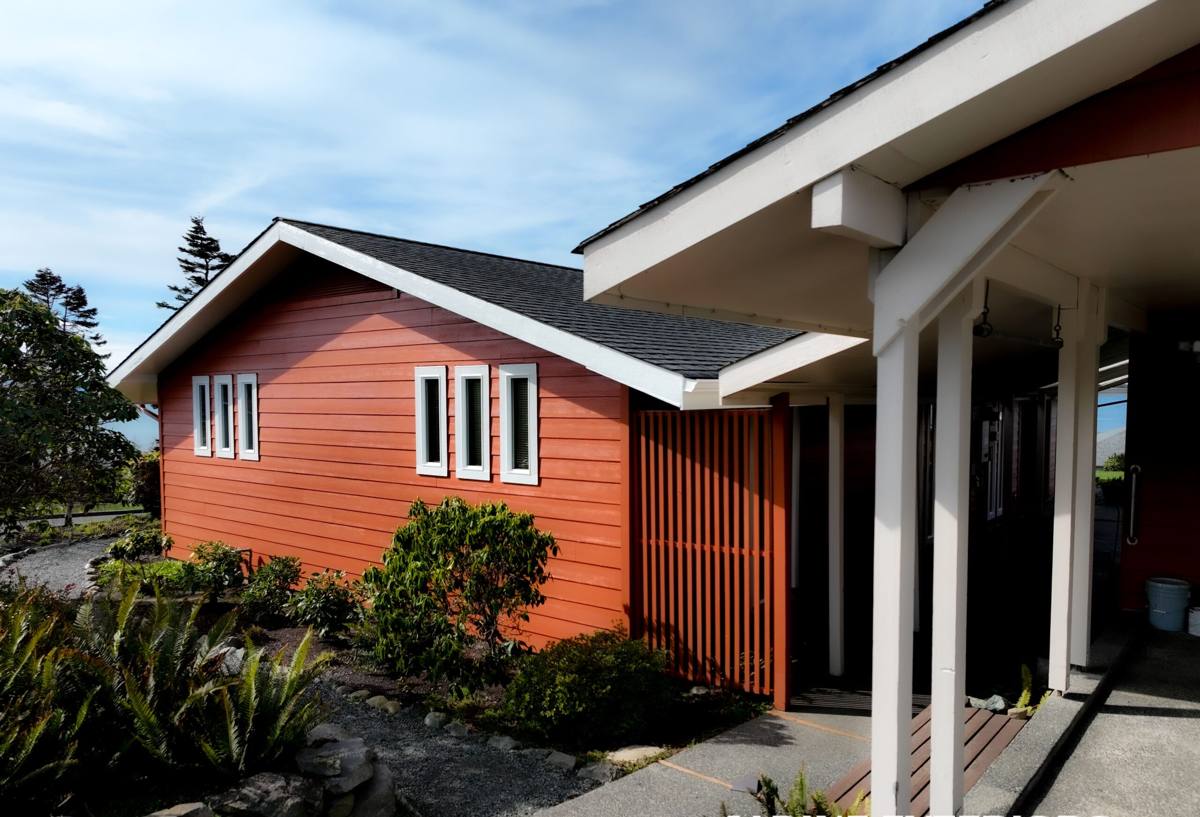
What "Custom" Actually Means for a Neighborhood Like Rosedale
"Custom" doesn't just mean expensive or fancy. In practical terms, it means the window is built to the exact dimensions of your existing rough opening rather than forcing your opening to fit a stock size. Homes in and around Rosedale span a range of ages and builders, and even within the same floor plan, settling, prior renovations, and original construction tolerances mean no two openings are perfectly identical.
Custom also means matching the window to the architecture of the house instead of defaulting to whatever's cheapest to stock. A single-hung window that looks fine on one elevation can look out of place on a home with a different roofline, trim detail, or stucco banding. Getting this right the first time avoids a mismatched exterior and, more importantly, avoids the leak and air-infiltration problems that come from forcing an ill-fitting unit into an opening it wasn't designed for.
Common Reasons Rosedale Homeowners Replace Windows
- Original builder-grade windows have reached the end of their useful seal life and are fogging between panes
- Frames have degraded from years of UV and humidity exposure, even if the glass itself is intact
- Homeowners want to upgrade to impact-rated glass instead of relying on shutters or panels every storm season
- Renovation or room addition requires openings that don't match standard window sizes
- Rising energy bills point to poor seals or single-pane glass losing conditioned air
Matching Frame Material and Glass to the Climate
Not every frame material holds up the same way against sun, salt, and moisture. Here's how the common options generally perform in a coastal-adjacent Bradenton climate:
| Frame Material | How It Handles UV and Salt Air | Maintenance | Typical Fit |
|---|---|---|---|
| Vinyl | Good UV stability with quality compounds; won't corrode from salt exposure | Low — occasional cleaning | Most standard and mid-range custom replacements |
| Aluminum | Strong structurally but can corrode over time near coastal air without proper coating | Moderate — watch for pitting or oxidation | Larger openings, impact-rated commercial-style units |
| Fiberglass | Excellent UV and moisture resistance, very stable in heat swings | Low | Higher-end custom replacements, long-term durability priority |
| Wood / Wood-Clad | Vulnerable to humidity and salt air without diligent upkeep | High — regular sealing and inspection | Historic or architecturally specific homes only |
Glass matters as much as the frame. In Manatee County, most homes fall inside Florida's wind-borne debris region, which means new and replacement windows generally need to meet impact standards, or be paired with approved storm protection. Impact-rated glass laminates a protective interlayer between two panes of glass, so it can flex and hold together under wind pressure and debris impact rather than blowing out. It also cuts UV transmission and outside noise as a side benefit, which matters on a lot on a sunny Bradenton afternoon.
What a Correct Installation Involves
The window unit itself is only part of the job. Most window failures we're called out to fix in this area — leaks, drafts, soft spots in the surrounding wall — trace back to installation shortcuts, not a bad product. A correct installation in this climate has to account for wind-driven rain finding any gap, however small.
- Removing the old unit without damaging the rough opening or surrounding stucco/siding
- Inspecting the opening for hidden rot, moisture damage, or framing issues before the new window goes in
- Installing flashing and a proper weather-resistive barrier so water is directed out and away from the wall assembly, not just relying on caulk
- Setting the window level, plumb, and square, then securing it per the manufacturer's and code-approved fastening schedule
- Sealing with the correct sealant systems, inside and out, rated for exterior exposure
- Insulating the gap between the frame and rough opening correctly, without over-packing, which can bow the frame
- Finishing interior and exterior trim to match the home
Skip any one of these steps and the window can look fine for a year or two before a leak shows up during the next heavy storm. This is why the installation crew matters as much as the window brand.
Our Process, Start to Finish
- On-site assessment — we look at each opening individually, note existing condition issues, and measure for a true custom fit rather than assuming stock sizes.
- Product selection — we walk through frame material, glass package, and impact-rating options based on your budget and how exposed that side of the house is to weather.
- Written estimate — a clear breakdown of scope, materials, and cost before anything is ordered.
- Permitting — we handle the Manatee County permit application and inspection scheduling for the scope of work.
- Installation — removal, opening prep, flashing, setting, sealing, and insulating, done in sequence per opening rather than rushed across the whole house at once.
- Final walkthrough — we check operation, seals, and finish work with you before calling the job complete.
Permits, Codes, and HOA Approval
Window replacement in Manatee County generally requires a building permit and inspection, since the work touches structural openings and has to meet current Florida Building Code wind and impact requirements. We handle this as part of the job rather than leaving it to the homeowner to sort out after the fact.
On top of county permitting, many neighborhoods around Bradenton — including deed-restricted communities like Rosedale — have their own architectural review process for exterior changes, which can include window style, frame color, and grid pattern. Before ordering anything, it's worth confirming what your community's guidelines require so the new windows don't need to be reordered or refinished to pass review. A crew that's worked in the area before can usually tell you what to expect and how to move that approval along without delay.
Cost Factors to Expect
Every custom window job is priced around the specific house, so we don't quote a flat number without seeing the openings. That said, these are the main factors that move the price up or down:
| Factor | Why It Affects Cost |
|---|---|
| Window size and quantity | Larger openings and whole-house replacements involve more material and labor |
| Frame material | Vinyl is typically the most budget-friendly; fiberglass and aluminum cost more up front |
| Impact rating | Impact-rated laminated glass costs more than standard glass but removes the need for shutters or panels |
| Opening condition | Rotted framing or moisture damage found during removal adds repair work before the new window can go in |
| Access and complexity | Second-story, oddly shaped, or structurally altered openings take more time to do correctly |
| Trim and finish work | Matching existing interior/exterior trim profiles adds labor beyond a basic install |
Maintenance Checklist for Coastal-Climate Custom Windows
Even a well-installed, well-built window needs some upkeep in this climate. A little attention twice a year goes a long way toward avoiding bigger repairs down the line.
- Rinse frames and tracks periodically to clear salt residue, especially on homes closer to the water
- Check exterior caulking and sealant lines for cracking or gaps at least once a year
- Lubricate hardware and tracks so locks and rollers don't seize up from heat and humidity
- Inspect weep holes on the exterior to make sure they're clear and draining properly
- Look for soft spots or discoloration on interior trim after major storms, which can signal a slow leak
- Have shutters, panels, or tracks (if used alongside impact glass) inspected before each hurricane season
Why a Crew That Already Works in Rosedale Matters
Window work in this part of Bradenton isn't generic. A crew that's already done installs in and around Rosedale knows the kind of construction common to the area, has a working relationship with Manatee County's permitting process, and understands what local architectural review committees typically expect for exterior changes. That familiarity shows up in fewer surprises — less back-and-forth on approvals, fewer change orders from unexpected opening conditions, and a finished product that actually fits the character of the neighborhood.
It also matters after the install. If a storm rolls through and something needs a second look, having a local crew who already knows your home and your paperwork means a faster, simpler response than starting from scratch with someone new every time.
If you're weighing custom windows for a home in Rosedale, we're happy to take a look and walk you through honest options for your specific openings and budget. Fill out the form below for a free, no-pressure estimate.